

The Benefits of Using Table Reservation Markers in Your Restaurant

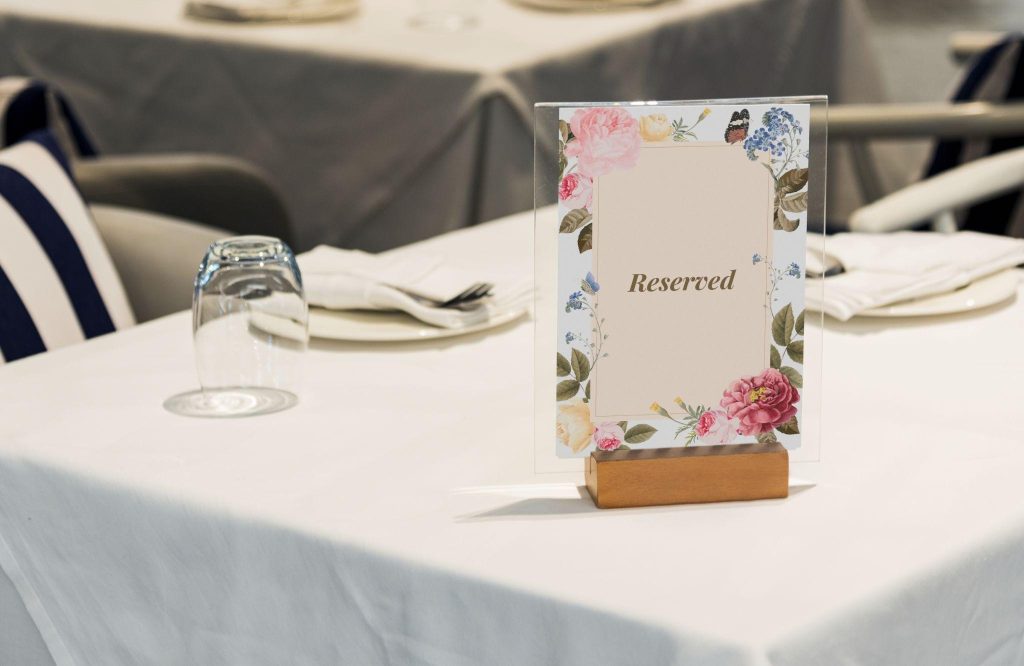
The Benefits of Using Table Reservation Markers in Your Restaurant
Friday night chaos: Your hostess juggles walk-ins while a reserved couple watches others get seated at what might be “their” table. The carefully planned reservation system falters, and guest satisfaction plummets alongside it.
This scene repeats itself in restaurants nationwide every evening. Amid fierce dining competition, effective restaurant guest management requires more than just digital booking platforms—it demands a seamless experience from arrival to departure. Enter the often overlooked but mighty reserved sign.
Digital reservation systems have changed how we book tables, yet physical custom table markers remain crucial connectors between technology and tangible experiences. These visual indicators silently communicate vital information across your dining room floor.
Let’s examine how these seemingly modest accessories can transform operations, boost guest satisfaction, and ultimately strengthen your financial performance.
The Evolution of Restaurant Reservations
Reservation management has transformed dramatically from the days of pencil-marked booking ledgers. What started as handwritten notes evolved into sophisticated digital platforms that predict seating times and track guest preferences with impressive accuracy.
Yet, as restaurants adopted these digital solutions, many found that software alone couldn’t address all operational hurdles. The physical dining space still needed tangible indicators to translate screen information into real-world action.
This gap sparked renewed attention to reserved table markers as essential operational tools complementing digital systems. Your reservation software might track which tables to hold, but it’s the physical marker that prevents hosts from seating walk-ins at those tables during a hectic dinner rush.
Today’s reservation sign solutions have moved far beyond basic “Reserved” cards. Contemporary markers feature brand-specific designs, management system integration, and even electronic elements with real-time updates. This development reflects growing awareness that successful restaurant guest management depends on balancing digital systems with physical touchpoints throughout the dining journey.
Operational Benefits of Custom Table Markers
Implementing thoughtfully designed custom table markers immediately improves operational flow. Here’s how these tools transform your daily service:
- Simplified Host Station Workflow: Hosts who can visually scan the dining room to identify reserved tables make faster, more accurate seating decisions. This visual system minimizes the need to check digital devices repeatedly, allowing staff to maintain genuine guest connections.
- Minimized Communication Errors: Clear markers enable servers, bussers, and managers to verify table status without interrupting colleagues during busy periods. This visual system prevents common mishaps, such as tables being cleared for walk-ins when they should remain held for upcoming reservations.
- Strategic Table Turnover: Properly marked tables help staff anticipate upcoming needs and pace service accordingly. When servers know a table must be ready for a 7:30 booking, they can subtly adjust the timing for current guests, creating smooth transitions without rushing anyone.
- Quick Adaptation During Rush Hours: Physical markers allow for immediate adjustments when reservation patterns shift, without relying solely on digital updates. This adaptability proves invaluable when handling unexpected situations like delayed arrivals or last-minute reservation changes.
These workflow improvements collectively boost restaurant efficiency in ways that directly affect profitability. Restaurants using strategic marker systems typically report less table downtime, stronger staff productivity, and greater capacity to accommodate additional diners during peak hours.
Enhancing Guest Experience Through Reservation Markers
Beyond operational advantages, well-crafted reservation sign solutions elevate the guest experience in numerous ways:
- Enhanced First Impressions: Guests who spot their name or reservation time displayed on an elegant custom table marker immediately feel acknowledged and valued. This small detail communicates professionalism from the first step into your restaurant.
- Security and Confidence: Dining out involves many moments of potential uncertainty. Will their table be ready? Has the staff forgotten them? Visual reservation markers eliminate these worries, letting guests focus on enjoying themselves rather than fretting about logistics.
- Personal Connection to Space: A thoughtfully designed marker transforms an ordinary table into “their” special spot for the evening. This psychological ownership creates a subtle feeling of importance that enhances the overall experience, especially for celebrations and special occasions.
- Unspoken Policy Communication: Markers can elegantly convey important information about time limits, special event details, or VIP status without awkward verbal explanations. This clarity helps manage expectations smoothly.
- Memorable Talking Points: Distinctive reserved table markers often become conversation starters among diners, adding an element of delight to the experience. These small details frequently drive social media sharing and personal recommendations.
By strengthening these experiential elements, reservation markers directly contribute to overall satisfaction, encouraging return visits and positive reviews—two critical factors for long-term restaurant success.
Types of Reservation Markers and Their Applications
The selection of reservation sign solutions has expanded dramatically, offering options for every restaurant concept and operational style:
- Classic Table Tents: Affordable, easily replaceable, and highly customizable, traditional paper or cardstock markers work perfectly for casual concepts. These can feature seasonal designs or promotional content while fulfilling their primary reservation function.
- High-End Material Options: Upscale establishments often select custom table markers crafted from wood, brass, or acrylic to match their sophisticated aesthetics. These durable options typically incorporate subtle branding and refined design elements.
- Smart Digital Displays: Forward-thinking restaurants now use small digital screens that connect directly to their reservation platform, automatically updating with guest information or timing details. While these solutions offer impressive functionality, they require more significant investment and maintenance.
- Concept-Driven Designs: Restaurants with strong themes or seasonal menus can use reservation markers as another canvas for expressing their identity, creating photo-worthy moments that extend their brand reach.
- Multi-Purpose Markers: Smart designs include markers that double as menu holders, wine list displays, or QR code stations—adding practical benefits beyond simply marking reserved tables.
The most effective reserved table markers strike a balance between practical function and visual alignment with your brand. When selecting marker styles, weigh factors like durability in your specific environment, sanitation requirements, storage needs, and replacement expenses.
Implementing an Effective Marker System
Successfully deploying a reservation marker system demands thoughtful planning beyond just purchasing products:
- Create a Cohesive Strategy: Start by evaluating your current reservation process to pinpoint problem areas and improvement opportunities. Consider how markers will complement your existing restaurant guest management approach and what specific information they need to convey.
- Train Staff Thoroughly: Even beautiful marker systems fail without proper implementation. Develop clear guidelines for when and how markers should be used, who maintains them, and how they sync with your reservation software.
- Connect Physical and Digital Systems: For maximum impact, physical markers should work seamlessly with your digital platforms. Establish protocols for aligning digital information with physical table status, particularly during busy shifts.
- Establish Care Routines: Create specific procedures for cleaning and maintaining your markers, especially if they include custom materials or rewritable elements. Damaged or dirty markers undermine the professional image you’re working to establish.
- Roll Out Gradually: Introduce your new system during slower periods, giving staff time to adjust before weekend rushes. Gather feedback from both employees and guests to identify potential improvements.
- Analyze Costs and Benefits: While premium custom table markers require a higher initial investment, their durability and operational impact often provide better long-term value than the frequently replaced basic options. Calculate expected returns based on operational improvements, enhanced guest experiences, and increased capacity.
A methodical implementation approach helps avoid common pitfalls while maximizing system benefits.
Case Studies: Improving Restaurant Efficiency Through Marker Systems
Abstract benefits become concrete when examining real-world examples:
Case Study 1: Neighborhood Bistro Conquers Weekend Chaos
An 80-seat urban bistro struggling with weekend reservation management implemented color-coded custom table markers that reduced seating decision time by nearly 40%. Their system used different colors to indicate reservation times, allowing hosts to instantly understand which tables would become available within specific windows. This approach slashed double-bookings by 90% and created space for 8-10 additional covers each weekend night.
Case Study 2: Upscale Restaurant Personalizes Experience
A fine dining establishment introduced personalized metal reserved table markers featuring guest names for regulars and special occasions. This simple touch generated substantial positive feedback, earning mentions in over 15% of online reviews. Staff noted that these personalized markers streamlined guest recognition and contributed to a 22% jump in celebration bookings over six months.
Case Study 3: Fast-Casual Chain Speeds Service
A growing fast-casual brand implemented a streamlined marker system integrated with its digital platform, allowing counter staff to quickly direct guests to the correct tables without confusion. This reduced order fulfillment errors by 35% and cut the time between ordering and seating by about 90 seconds per transaction, creating substantial efficiency during busy lunch periods.
These examples show how thoughtfully implemented reservation sign solutions deliver measurable improvements across various restaurant types. Success in each case came from tailoring the marker system to address specific operational challenges while enhancing guest satisfaction.
The Final Course: Maximizing Your Investment in Reservation Markers
In an industry with tight margins and rising guest expectations, every operational detail counts. Custom table markers might seem minor compared to menu development or staffing, but their impact on efficiency and guest experience proves surprisingly powerful.
Successful restaurants recognize that effective restaurant guest management demands both technology and thoughtfully designed physical elements. Reserved table markers function as bridges between digital systems and real-world experiences, quietly communicating important information while reinforcing your brand identity.
When evaluating your reservation processes, consider how upgraded reservation sign solutions might resolve existing problems, improve guest perceptions, and contribute to improving restaurant efficiency. The right marker system—aligned with your concept, properly implemented, and consistently maintained—can transform chaotic reservation management into a seamless process benefiting both your team and your guests.
These small but mighty tools do more than simply mark tables—they communicate professionalism, streamline operations, and contribute to memorable dining experiences that keep customers returning.

