

The Evolution of Day Trading: From Solo Accounts to Strategic Partnerships

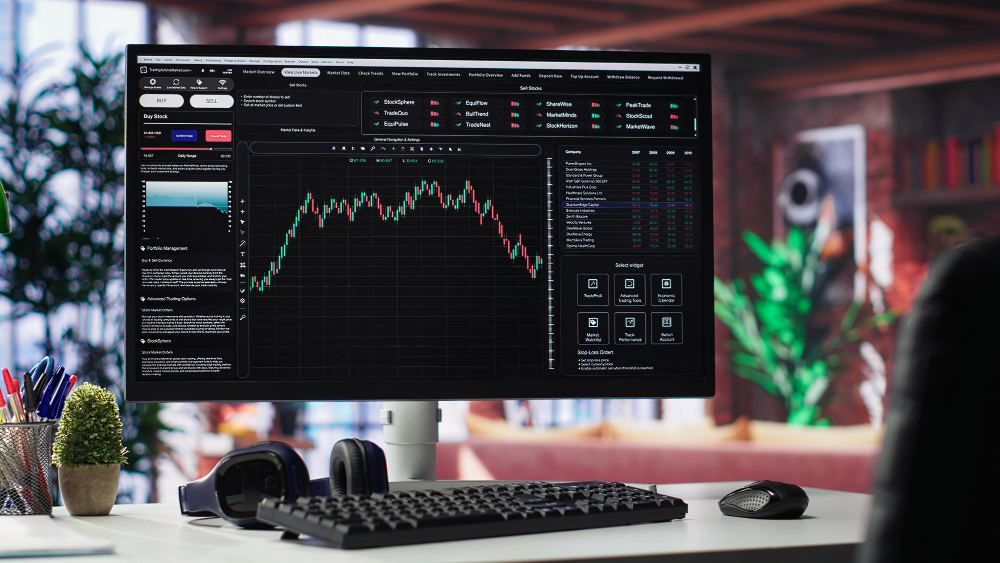
The Evolution of Day Trading
Day trading has never once stopped evolving. The way traders operate today looks nothing like the image of traders pacing and shouting from years ago, or even the solo retail trading of the early 2000s. Over the years, technology, accessibility, and trading psychology have transformed the industry. One of the biggest shifts we’re seeing is the move away from purely trading personal accounts toward forming partnerships with prop trading firms. This evolution has allowed traders to thrive in a competitive and volatile market. Let’s unpack the journey.
The Early Trading Days
When online trading first became widely accessible, independence was the dream. Anyone with a computer, some starting capital, and the patience to learn could open a brokerage account and start trading from their bedroom.
There was a sense of complete freedom. But while it was liberating, it also meant traders had to bear the full weight of the risk. If they lost even 10% of their account, it was their personal money gone. If they needed more capital to scale, they had to either save up or take on debt. Many traders, for this reason, burned out before they could make trading sustainable.
The Shift Toward Support and Collaboration
As the market matured, traders began to realize that resources, mentorship, and larger capital tools could make a huge difference. This opened the door for prop firms, short for proprietary trading firms, which took on the responsibility of providing capital to skilled traders. These companies provide traders with capital to trade and, in return, the trader earns a share of the profits. It’s a mutually beneficial arrangement, where the firm makes money when the trader does, and the trader gets to work with larger account sizes without risking their life savings.
Why Traders Are Making the Switch
Several factors have driven this move toward strategic partnerships, including:
Access to Bigger Capital Pools
Trading with a small account limits your potential compared to trading with bigger accounts. A prop firm like Maven Trading gives you access to capital that allows for more meaningful profits without putting yourself into dangerous debt.
Risk Management Systems
Prop trading firms often have built-in rules and guidelines that help traders avoid sustaining huge losses, which affect both the firms and the traders. While some see these restrictions as limiting, they’re actually there to keep your trading disciplined and sustainable.
Mentorship and Community
Trading solo can feel isolating. Partnering with a prop firm, on the other hand, means joining a network of traders, gaining access to resources, and exchanging strategies with peers.
Focus on Skill Over Wealth
You don’t need a huge starting balance to succeed. All you need is skill. Passing a prop firm’s evaluation process can get you funded even if your personal bank account isn’t ready for large-scale trading.
The Future of Day Trading
Looking ahead, it’s likely that we’ll see even more hybrid approaches. Some traders will still maintain personal accounts while trading with prop firms. Others might work with multiple firms at once. With technology making it easier than ever to connect and access funding, more evolutions are expected to follow in terms of convenience and adaptability.
Conclusion
The evolution of day trading reflects a broader shift from isolated, high-risk individual efforts to collaborative, capital-backed partnerships. As technology and market dynamics continue to reshape the trading landscape, prop firms have emerged as a powerful solution offering traders access to funding, structured environments, and valuable mentorship. This transition empowers skilled traders to focus on performance rather than personal financial strain. Looking ahead, the future of day trading will likely be defined by flexibility, innovation, and strategic alliances, making it an exciting time for traders ready to adapt and grow.

