


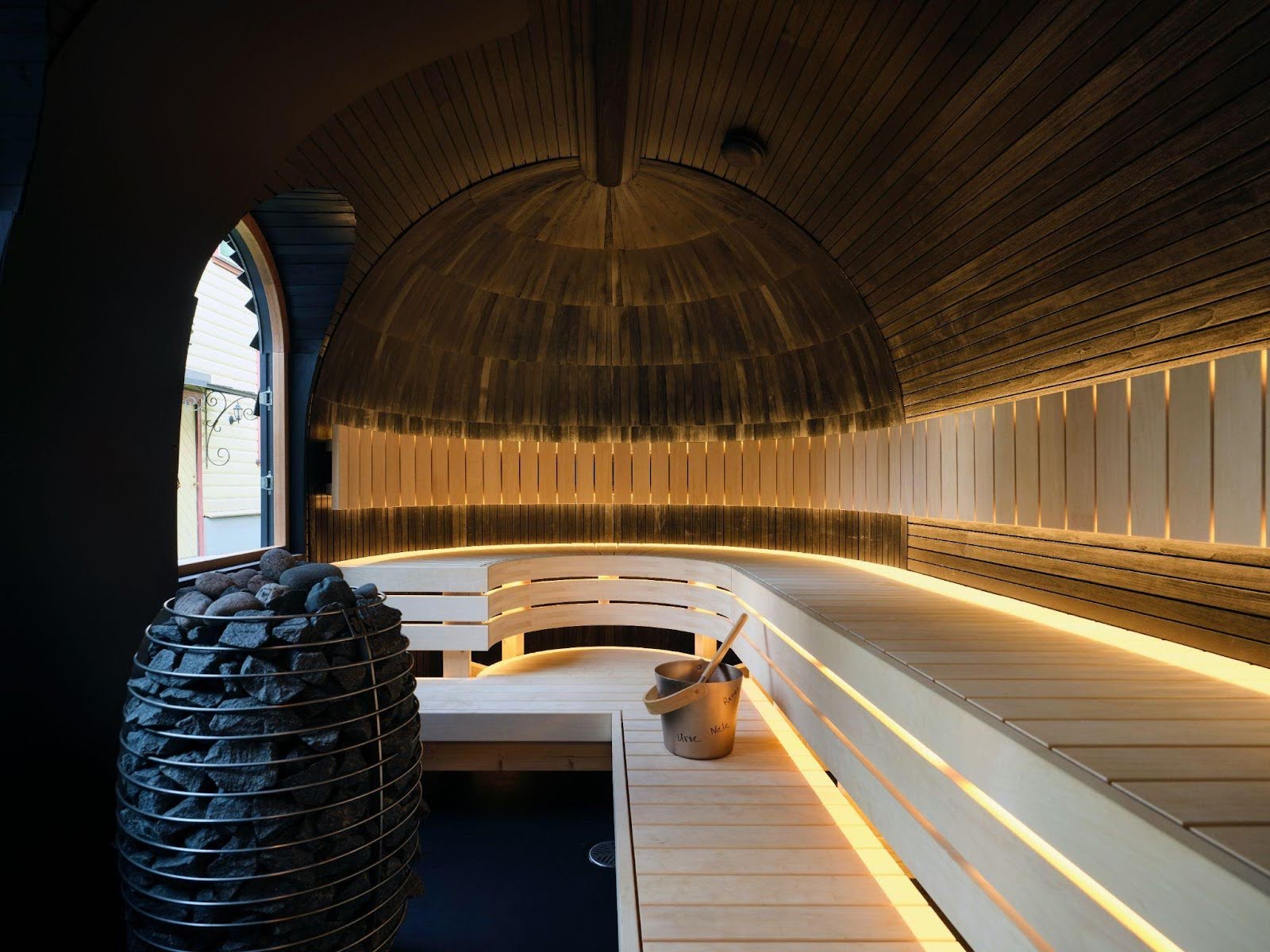
Designing a heat room at home, whether it’s a full traditional sauna, an infrared setup, or a compact wellness corner, requires more than simply selecting a structure and plugging it in. The heart of any sauna is the heater, and choosing the right size determines everything from comfort to safety to long-term performance. Many homeowners begin their planning with resources like the sauna heater size chart to understand how heater capacity matches room volume, insulation quality, and intended heat intensity.
A heat room can become a daily ritual for relaxation, recovery, and stress relief, but only when the space is designed thoughtfully, with the right equipment and the right safety considerations in place.
Why Heater Size Matters More Than People Expect
Choosing the wrong heater size is one of the most common, and most avoidable, mistakes when building a home sauna. If the heater is too small, the room will struggle to reach temperature, particularly in colder climates or poorly insulated areas. Sessions become long and inefficient, and users often end up running the heater harder than intended, shortening its lifespan.
On the other hand, an oversized heater can heat the room too quickly, creating uneven distribution, sharp temperature spikes, and a less comfortable environment. Efficient sauna heating is about gradual, consistent warmth rather than sudden intensity. The correct heater size is essential for maintaining the stable, enveloping heat that makes sauna sessions restorative instead of overwhelming.
A heater matched to your room’s cubic volume also ensures long-term energy efficiency. You get predictable heating cycles, stable humidity, and comfortable air flow patterns that support safer and more enjoyable daily use.
How Room Volume Influences Heater Selection
Heater sizing always begins with calculating the cubic volume of the sauna: length × width × height. The total volume determines the minimum power output needed for the heater to perform efficiently. Small variations in ceiling height or layout can significantly change heating requirements, so accurate measurement is essential.
Where many homeowners miscalculate is in overlooking materials. A heat room built with cedar or hemlock behaves differently from one made with stone, brick, tile, or glass. Dense or non-porous materials absorb and retain heat at a different rate, effectively increasing the “thermal load” of the room. In these cases, the heater needs more power to compensate.
Manufacturers generally recommend adding additional cubic feet to your calculation to account for any cold surfaces or unconventional materials. This adjustment ensures the heater can reach temperature without being overworked.
Ventilation and Airflow: The Overlooked Key to Efficiency
Even the perfectly sized heater cannot compensate for poor ventilation. Proper airflow regulates oxygen levels, disperses heat evenly, and prevents the room from feeling stuffy or overly humid. Many homeowners assume sealing the sauna as tightly as possible is ideal, but controlled ventilation is what actually creates a balanced, comfortable atmosphere.
Experts on heat therapy emphasize that ventilation also supports user comfort and safety, improving oxygenation and helping regulate heartbeat and cooling cycles during sauna use. Healthline notes that structured sauna environments with correct heating and airflow support safer cardiovascular responses and more consistent heat distribution.
Bringing fresh air in low and allowing warmed air to exit near the ceiling ensures the heater operates smoothly and the room feels naturally breathable even during intense heat cycles.
Choosing Between Electric, Infrared, and Wood-Burning Heaters
Photo by Ostbacher Stern on Unsplash
Once the appropriate size range is determined, homeowners must decide which heater type aligns with their goals.
Traditional electric heaters remain the most common for residential heat rooms. They offer consistent performance, precise temperature control, and a familiar sauna experience with steam from water poured over stones.
Infrared heaters are energy-efficient and warm the body more directly rather than heating the air. They typically require smaller footprints and lower running costs but create a different sensation, gentler and more targeted rather than enveloping.
Wood-burning heaters are prized for their authenticity, aroma, and deep penetrating heat. However, they require proper venting, fire-clearance spacing, and sometimes permits depending on local regulations.
Each heater type has unique heat dynamics, so selecting a properly sized unit ensures the intended experience is safe and satisfying.
Insulation and Heat Retention: The Foundation of a Good Sauna
Insulation plays a crucial role in heater performance. Thick, well-installed insulation allows even moderately sized heaters to work efficiently. If insulation is thin, incomplete, or inconsistent, a larger heater may be required just to achieve basic operating temperatures.
Sauna-specific insulation materials, such as foil vapor barriers, preserve heat, reduce energy waste, and help create the dry, crisp heat associated with traditional sauna environments. Without proper insulation, homeowners often misinterpret slow heating as a heater problem when in reality the structure is losing warmth faster than the heater can produce it.
Quality insulation protects the heater from overuse and prevents unnecessary spikes in energy consumption.
Electrical Requirements and Installation Safety
Before purchasing a heater, homeowners must confirm that their electrical system can support the load. Larger heaters may require dedicated circuits, higher voltage, or specific wiring configurations. Even smaller units must be installed according to manufacturer guidelines to ensure safe operation.
Improper wiring or inadequate circuit capacity can lead to inconsistent heating, tripped breakers, or electrical hazards. Consulting a licensed electrician ensures your setup meets the necessary safety standards.
A heat room is a long-term investment; safe electrical infrastructure protects that investment while enhancing daily usability.
Designing a Heat Room That Feels Safe, Comfortable, and Intuitive
A well-designed heat room should feel welcoming and easy to use. Soft lighting, ergonomic benches, natural materials, and unobstructed doorways all contribute to a sense of calm. The heater should be positioned where it distributes heat evenly without interfering with foot traffic. Heat guards, timber spacing, and stone placement all support safe operation.
When every element is arranged with intention, sessions become not just therapeutic but deeply enjoyable.
A Well-Planned Heat Room Begins With the Right Heater
Choosing the right heater isn’t simply about power output, it’s about designing a space that supports relaxation, safety, and efficient daily use. When homeowners take the time to calculate volume accurately, evaluate materials, plan ventilation, and select the right heater type, the result is a perfectly balanced heat room that functions beautifully year-round.
Email your news TIPS to Editor@Kahawatungu.com — this is our only official communication channel
