

The monthly battle no one talks about: One woman’s painful journey

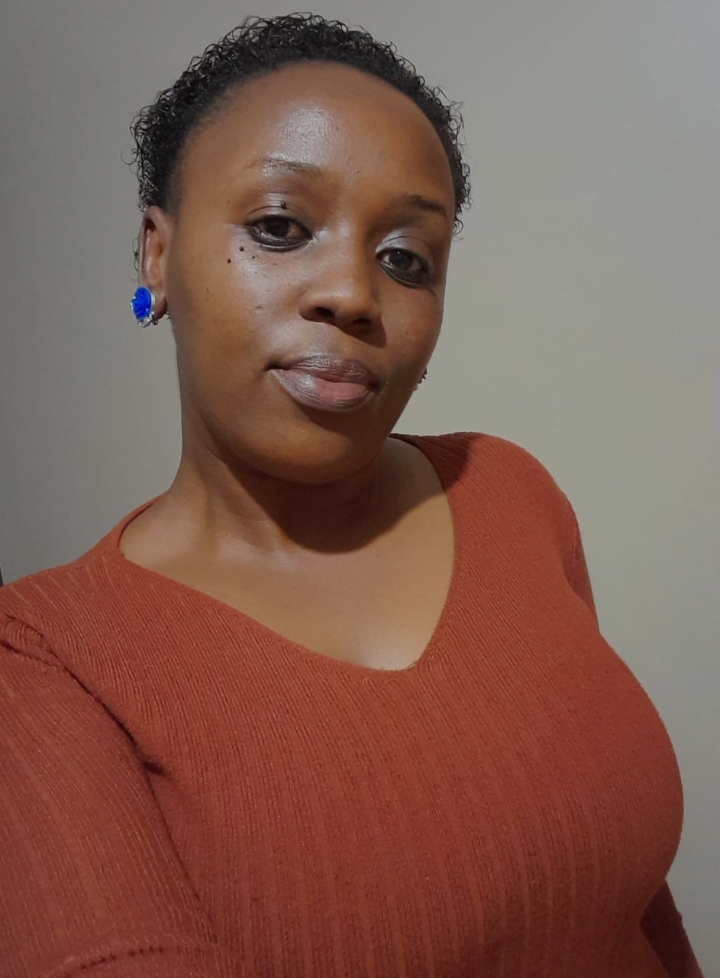
Ms Linda Nyatichi
For many people, menstruation remains a topic shrouded in silence—spoken about in whispers or avoided entirely.
Yet for countless women in Kenya, it is a recurring battle: a struggle that arrives quietly each month but leaves a very real mark on their bodies, minds, and daily lives.
For them, menstrual cramps are more than a minor discomfort.
They are a form of pain that can range from mild to severe, affecting each woman differently. While some sail through their cycles almost unscathed, others endure persistent aches that disrupt their routines.
For Linda Nyatichi, 30, the experience has often been severe.
She has endured intense cramps that sometimes make even the simplest tasks feel like monumental challenges.
Yet society often expects women to carry on as though everything is fine.
“The unspoken pressure to just deal with it can make the pain feel even more isolating,” she says from Nairobi.
“Menstrual cramps can be exhausting both physically and emotionally,” she adds. “There are days when getting out of bed feels like a victory.”
Nyatichi recalls a time when she had to deliver an important presentation at work despite the pain.
“I was sitting there, trying to focus, but the cramps were relentless,” she says. “I had to push myself to keep going because I felt like no one would understand if I admitted how much it hurt.”
Despite the discomfort, many women continue with their daily routines because that is what is expected of them.
“I remember feeling ashamed for needing to lie down or take a day off,” she says. “It’s like society tells you that pain is personal, not public—and that can make you question your own reality.”
But menstruation should not be a silent battle fought in isolation.
“I am grateful to have people around me who understand and empathize,” Nyatichi says. “Their support during these difficult days has been a lifeline, reminding me that acknowledgment and care make a world of difference.”
However, not every woman has this privilege.
Many suffer quietly, their experiences invisible to those around them.
“I’ve spoken to friends who hide their pain from family and coworkers, and it breaks my heart,” she says. “We shouldn’t have to normalize suffering.”
This is why awareness and understanding are so important.
Nyatichi believes families, workplaces, and communities should create safe spaces where women can discuss menstrual health openly, without judgment or stigma.
“By talking about it, we normalize women’s experiences, validate their struggles, and encourage support,” she explains.
“Each cycle is a reminder of resilience—a testament to the quiet strength women carry month after month,” she adds.
“Menstruation is not a weakness; it is a natural part of life that deserves attention, empathy, and respect.”
By breaking the silence, she believes society can begin to honor women’s health and recognize the courage it takes to navigate each month—pain, endurance, and all.
“It’s not just about surviving the cramps,” she concludes. “It’s about being seen, understood, and supported.”

