


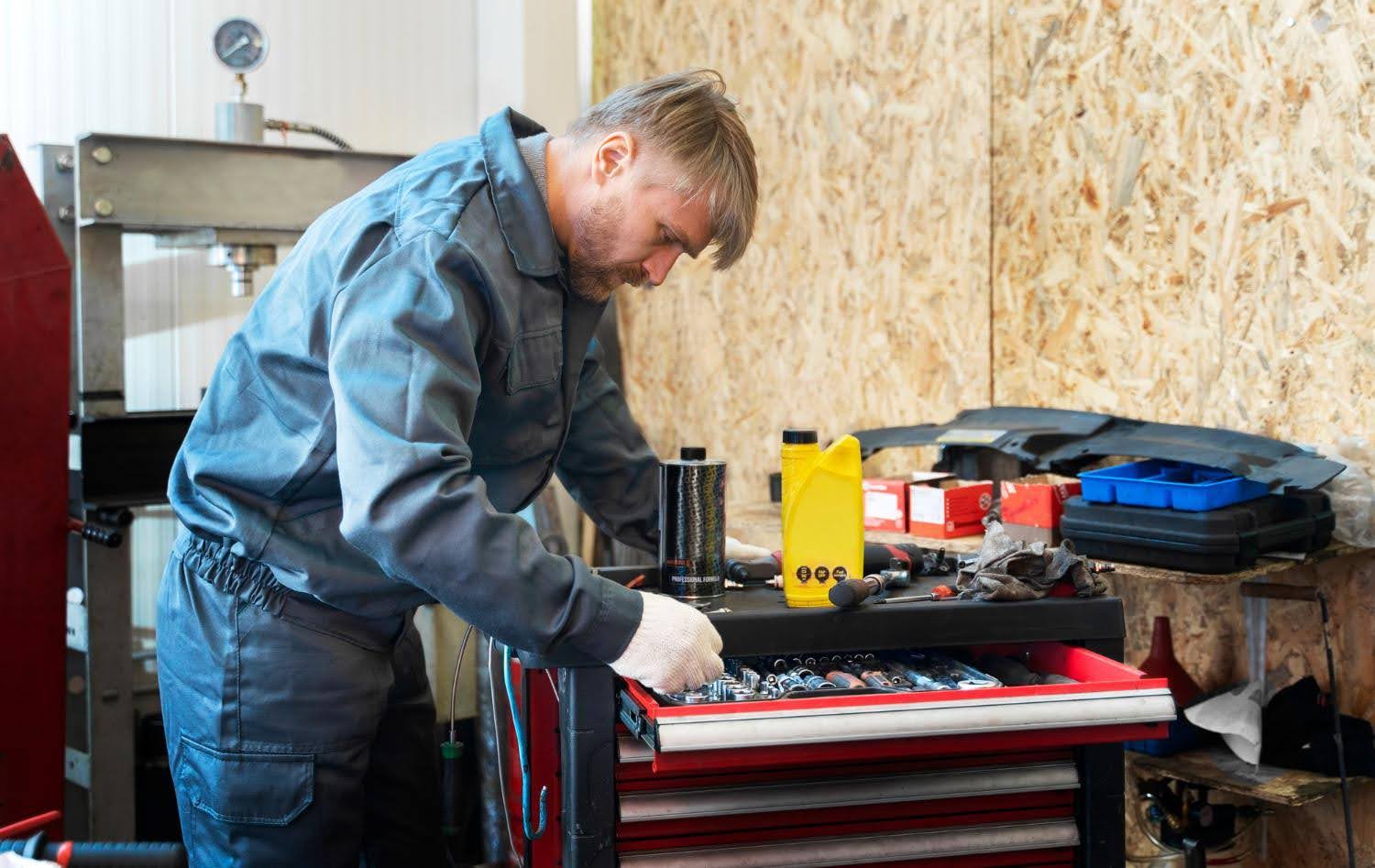
Vehicle ownership has always required maintenance, but the way drivers approach that maintenance is changing. In recent years, more people have begun performing repairs, upgrades, and routine care at home rather than relying exclusively on professional service centers. This shift is visible across many parts of the automotive market, from the rising popularity of instructional repair videos to growing interest in comparing the best brands for car lifts for home garages. What was once considered the domain of trained mechanics is increasingly becoming part of everyday vehicle ownership.
The rise of DIY car maintenance is not the result of a single trend. It’s influenced by economic factors, access to information, improvements in consumer-grade equipment, and a cultural shift toward self-reliance.
Economic Motivations and Long-Term Cost Management
The cost of professional automotive service has increased steadily over the past decade. Labor rates are higher, parts pricing fluctuates, and repair turnaround times have extended in many regions due to staffing constraints in the automotive service industry. For many drivers, the decision to take on maintenance tasks themselves is a matter of economic practicality.
Routine maintenance, oil changes, brake pad replacements, tire rotations, filter replacements, typically requires more time and patience than technical specialization. When done at home, these tasks can save hundreds of dollars per year. For drivers who maintain multiple vehicles or who keep cars for longer periods, the savings are significant.
In addition, maintaining a vehicle regularly can extend its lifespan. According to long-term fleet maintenance data from Consumer Reports, routine preventive care is one of the strongest predictors of vehicle longevity. By taking an active role in the upkeep process, car owners can delay major repairs and maintain resale value.
Cost matters, but for many, it is only the starting point.
The Influence of Accessible Information
One of the major factors enabling the shift toward DIY automotive maintenance is the availability of reliable, step-by-step information. Online repair manuals, automotive forums, and tutorial videos have made instruction more widely available than ever before.
In the past, learning to perform vehicle repairs required mentorship or vocational training. Now, owners can watch the exact procedure for their specific make and model, pause through the process, and review common troubleshooting points before starting the job.
This access lowers the barrier to entry. It also increases confidence. People are more willing to try something when they can visualize the steps before picking up a tool.
Improvement in Consumer-Grade Tools and Equipment
DIY maintenance would not be expanding if consumer tools were not improving. Over the last decade, automotive equipment designed for home use has become more reliable, safer, and easier to operate. Garage jacks, diagnostic scanners, torque tools, and home lift systems have advanced significantly.
Equipment that once required industrial-scale setups is now available in compact forms suitable for residential garages. This allows drivers to take on work that previously required professional shop infrastructure. The ability to perform maintenance comfortably and safely at home is a major part of what makes DIY viable.
When tools become more user-friendly, participation increases.
The Appeal of Hands-On Problem Solving
There is also a practical satisfaction that comes from understanding how something works and being able to take care of it independently. This is not limited to mechanics, it applies to any form of applied skill. But cars are particularly well-suited to this dynamic because they are everyday, highly functional objects that people depend on.
Solving a repair issue through one’s own effort strengthens both confidence and competence. It turns a potentially frustrating situation into something manageable.
This doesn’t just change how someone sees car maintenance. It changes how they approach problems in general.
Community and Shared Knowledge
DIY car maintenance is not a solitary trend. It is supported by an active online and in-person community culture.
Owners share advice, tools, part recommendations, troubleshooting steps, and modification experiences. Automotive communities offer structured guidance and problem-solving support, reducing the sense of working alone. This shared knowledge accelerates learning and lowers the learning curve.
Car culture has always included this collaborative dynamic, but the internet has expanded its reach.
A Shift in Ownership Mindset
The rise of DIY maintenance represents a broader shift in how people view ownership. Instead of seeing a vehicle as something to be serviced only by professionals, more drivers now view it as something they can maintain and understand directly.
This mindset aligns with a cultural move toward self-sufficiency and technical literacy. In many ways, it is similar to the rise of home renovation, personal computing repair, and hobby electronics.
Ownership no longer ends at use. It includes care.
Drivers are choosing to perform their own vehicle maintenance for practical, economic, and personal reasons. Access to clear instructional resources, improved consumer tools, and a desire for self-reliance all contribute to this trend. The shift is not about replacing professional mechanics, they remain essential. Instead, it reflects a broader change in how people want to engage with the things they own.
DIY maintenance provides a sense of control, continuity, and understanding. For many drivers, that is just as valuable as the financial savings.
Email your news TIPS to Editor@Kahawatungu.com — this is our only official communication channel
