


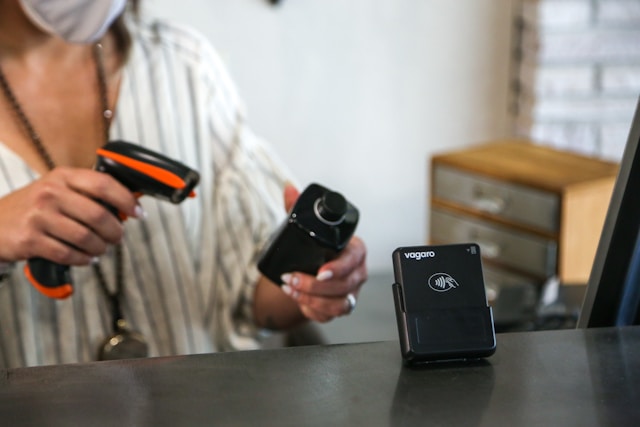
ID scanners have become essential tools in various businesses to ensure compliance with age verification laws. These devices scan and verify identification cards to confirm age, playing a vital role in maintaining legal standards. Businesses such as bars, clubs, and shops selling age-restricted products like tobacco and alcohol are widely using this technology to safeguard themselves from legal issues.
Age verification is necessary across various business types to offer safe environments and prevent underage access. Ensuring only eligible customers can purchase specific products or services protects businesses and their customers. Advancements in ID verification technology significantly contribute to improving security measures, streamlining operations, and enhancing customer experiences.
How ID Scanners Work
ID scanners are highly effective devices that utilize technology to verify identification cards quickly and accurately. Here’s how they typically work:
- Scanning Process: The scanner reads information from a barcode or magnetic strip on the ID card. This data includes the person’s name, age, and other relevant details.
- Authentication Methods: These methods, such as barcode scanning and magnetic stripe reading, are crucial for ensuring the accuracy and reliability of the verification process.
These authentication methods cross-check the data against databases to confirm identity and validity.
By understanding the fundamentals of how ID scanners function, businesses can choose the right devices tailored to their needs, ensuring seamless operations and proper legal compliance.
Types of ID Scanners Available
When considering an ID scanner for age verification, it’s essential to understand the different types available and their advantages. Here’s a breakdown of typical ID scanners:
Flatbed Scanners
- Description: These scanners work similarly to a flatbed document scanner. You place the ID on the scanner, and it captures the image for verification.
- Benefits:
- High-resolution scanning for detailed analysis.
- Ideal for stationary setups in businesses such as bars and retail stores.
- High-resolution scanning for detailed analysis.
- Use Cases: Useful in environments where space is not a constraint and the scanner does not need to be moved frequently.
Handheld Scanners
- Description: These are portable devices that can easily be carried and operated by hand.
- Benefits:
- Portable, allowing for flexibility in various locations.
- Quick scans, enabling speedy customer transactions.
- Portable, allowing for flexibility in various locations.
- Use Cases: Perfect for outdoor events or venues where mobility is critical, such as nightclubs or festivals.
Portable ID Scanners
- Description: Compact and often automated, these scanners are designed for easy transport and use across different business contexts.
- Benefits:
- Lightweight and can often connect to other devices.
- High portability for operations on-the-go.
- Lightweight and can often connect to other devices.
- Use Cases: Useful for mobile vendors or businesses that operate in multiple locations.
These insights can help businesses choose the right type of age verification scanner that suits their unique requirements.
- Barcode Scanning: This method reads encoded information on the ID’s barcode directly linked to its use in different scanner types.
- Magnetic Stripe Reading: Extracts data from magnetic stripes suitable for integration with systems requiring more detailed access.
Benefits of Using ID Scanners in Business
Adopting an age verification scanner can bring several advantages to your business operations. Here’s how they can make a difference:
- Accuracy and Speed:
- Automated scanning reduces manual errors in age verification, ensuring compliance with age-related laws.
- Quicker processing of ID checks helps in maintaining customer flow without hassle.
- Automated scanning reduces manual errors in age verification, ensuring compliance with age-related laws.
- Minimizing Human Error:
- Human errors in manual ID checks can lead to costly legal missteps. Scanners minimize these risks by ensuring clarity and precision.
- Enhanced Legal Compliance:
- Businesses need to adhere to age verification laws, and scanners help in maintaining accurate records for audits and checks, a critical compliance factor.
- Data Collection and Management:
- ID scanners can collect essential data for business analytics, helping in understanding customer demographics and trends.
By utilizing technology like an ID scanner for business, owners can focus more on customer engagement rather than verification processes. If you are looking for ID scanners for your business, check out the options available over at Minor Decliner.
These benefits show that with the right age verification scanner, businesses can not only enhance their regulatory compliance but also improve overall service quality, leading to better customer experiences.
Choosing the Right ID Verification Scanner for Your Business
Selecting the right ID verification scanner can make a big difference for your business. Here are some guidelines to help you choose the best option based on your specific needs.
Consider Your Business Needs
- Budget: Determine how much you can spend. There are a variety of options ranging from basic to advanced.
- Operational Scale: For businesses handling high volumes, faster scanners with higher accuracy are ideal.
- Portability: If your business involves events or mobility, a portable ID scanner may be most suitable.
Evaluate Features
- Ease of Use: Look for user-friendly interfaces, especially if staff training will be limited.
- Durability: Choose a scanner that can withstand daily wear and tear.
- Integration Ability: Ensure that the scanner can work with your existing systems and software. Address issues such as connectivity and security by choosing reliable scanners that offer strong wireless options and data encryption.
Check Reviews and Ratings
Before making a decision, explore reviews and ratings from trusted sources like PCMag. These provide insights into performance and reliability.
Understanding Legal Requirements and Compliance
Businesses must navigate a landscape of age verification laws to remain compliant while using ID scanners. Here’s what to know:
Key Age Verification Laws
- Local and National Regulations: Understand the specific age verification laws in your country and locality, as these can vary.
- Industry Standards: Different industries may have unique regulations; for instance, bars and liquor stores might have stricter requirements.
Role of ID Scanners in Compliance
ID scanners help automate the verification process, reducing human error and ensuring:
- Accurate Verification: They match IDs against databases to verify age.
- Document Retention: Some scanners can securely store scanned documents, useful for audits.
Stay Informed
- Regular Updates: Laws can change, so keeping up to date is crucial.
By integrating these steps, businesses can ensure compliance and select the right ID scanner to suit their needs. This proactive approach helps in managing legal risks while enhancing operational efficiency.
Integrating ID Scanners into Your Operational Workflow
Successfully integrating an ID scanner into your business operations can streamline age verification processes and enhance overall efficiency. Here’s how you can achieve this:
- Staff Training: Educate your team on how to use the ID verification scanner properly. This includes understanding the scanning process, identifying authentication signals, and managing errors.
- System Integration: Ensure your ID scanner is compatible with existing systems, such as your POS or customer databases. This will simplify tracking and maintaining records.
By systematically integrating these devices into your operations, you can boost your compliance and operational smoothness.
Common Pitfalls and How to Avoid Them
When using ID scanners for age verification, there are common mistakes that businesses might face. Anticipating and avoiding these pitfalls can save time and resources:
- Overlooking User Training: Ensure your staff is fully trained on using the scanners. Lack of proper training can lead to errors and misuse.
- Ignoring Software Updates: Regular updates enhance scanner accuracy and security. Ensure all devices are updated with the latest software.
- Relying Solely on Technology: While scanners minimize human errors, occasional manual checks can validate results and ensure accuracy.
- Pragmatic Solutions:
- Regular audits of the scanning process can reveal areas needing improvement
- Consult experts who can offer insights and strategies.
- Regular audits of the scanning process can reveal areas needing improvement
Avoid these pitfalls by prioritizing thorough training, keeping up with technology changes, and maintaining a balance between manual oversight and automated processes.
Email your news TIPS to Editor@Kahawatungu.com — this is our only official communication channel
