

Tim Finn Siblings: Get to Know Carolyn, Judy and Neil Finn

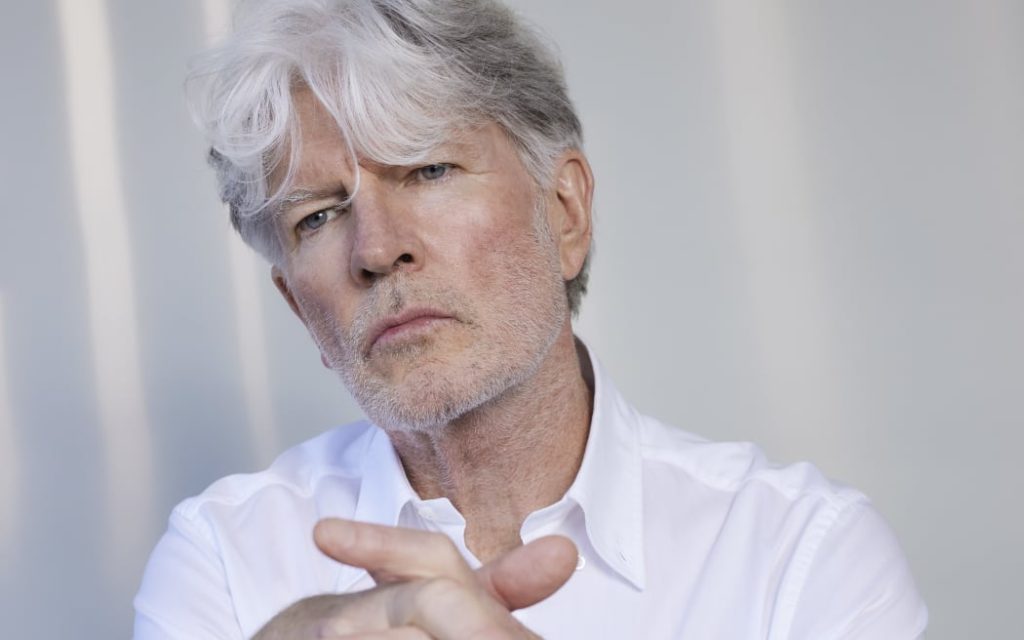
Tim Finn PHOTO/FSZ
Brian Timothy Finn, known professionally as Tim Finn, is a renowned New Zealand singer, songwriter, musician, and composer born on June 25, 1952, in Te Awamutu, New Zealand.
Raised in a working-class family by parents Dick and Mary Finn, he developed an early passion for music that would define his illustrious career.
Finn’s distinctive voice and innovative songwriting have made him a pivotal figure in the New Zealand music scene and beyond, blending art rock, pop, and experimental elements into timeless compositions.
Best known for co-founding the influential band Split Enz in 1972 alongside Phil Judd, Finn’s contributions extend to solo work, collaborations with family members, and scoring for film and theater.
Siblings
Tim has two older sisters, Carolyn and Judy, and a younger brother, Neil Finn, born on May 27, 1958, also in Te Awamutu.
From a young age, Tim and Neil shared a bedroom where they would lie awake discussing music and dreams, laying the foundation for their lifelong creative partnership.
Both brothers attended St. Patrick’s School in their hometown before pursuing separate paths, Tim to Sacred Heart College in Auckland on a scholarship at age 13, yet their bond deepened through music, with Neil joining Tim’s band Split Enz in 1977 at age 18.
Career
Finn’s career ignited in 1972 when he co-founded Split Enz with Phil Judd at the University of Auckland, initially as Split Ends, evolving into the theatrical art rock outfit known for its eccentric style and hits like “I See Red,” “Dirty Creature,” and “Six Months in a Leaky Boat.”
As co-lead singer and primary songwriter after Judd’s departure in 1977, Finn guided the band through international acclaim with albums such as True Colours in 1980 and Time and Tide in 1982, blending new wave and pop experimentation.
Also Read: Maurice Gibb Siblings: A Look at the Musician’s Family Tree

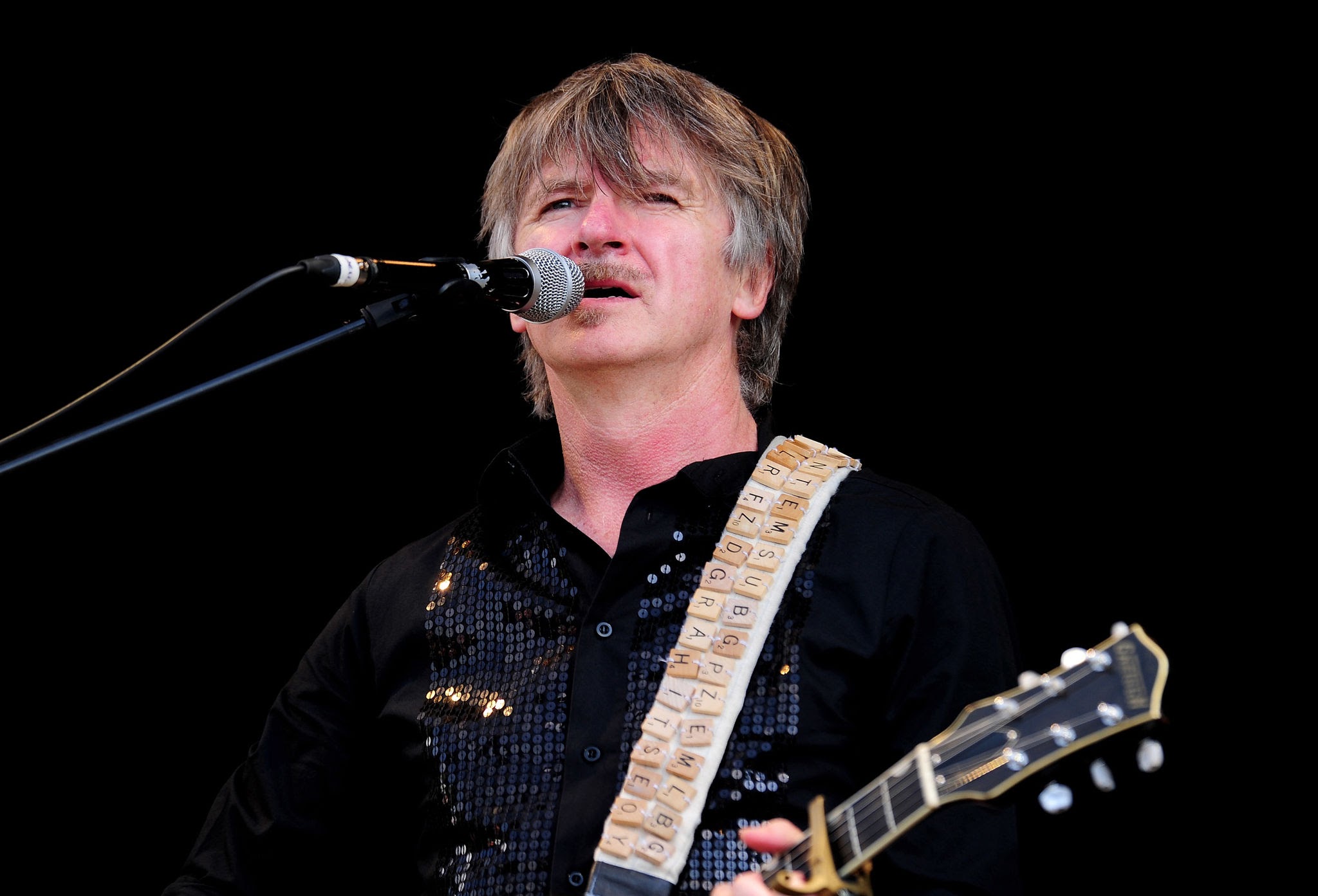
Even while with Split Enz, he ventured into solo territory with his debut album Escapade in 1983, a critical and commercial triumph featuring singles “Fraction Too Much Friction” and “Made My Day,” which topped charts in Australia and New Zealand.
Departing Split Enz in 1984 after Conflicting Emotions, Finn’s solo journey continued with albums like Big Canoe in 1986 and Tim Finn in 1989, the latter earning praise for the socially conscious track “Parihaka.”
In 1991, he briefly joined his brother Neil’s band Crowded House, contributing to the seminal Woodface in 1991, including co-writes on “Weather with You” and “Four Seasons in One Day,” before pursuing independent projects.
Reuniting with Neil as the Finn Brothers in 1995, they released the lo-fi album Finn and the polished Everyone Is Here in 2004, showcasing their exquisite harmonies.
Finn’s later work includes eclectic collaborations like Altitude in 1995 with ALT, the Nashville-recorded Imaginary Kingdom in 2006, and compositions for theater and film such as the Steel City soundtrack in 1998, maintaining his reputation as a prolific and versatile artist over five decades.
Accolades
Finn’s profound impact on music has been recognized through numerous prestigious honors, beginning with the 1984 International Achievement Award at the New Zealand Music Awards for his solo work, followed by Best Male Vocalist and Best Songwriter wins in 1989 for the album Tim Finn and its standout track “Parihaka.”
In 1993, alongside Neil, he was appointed Officer of the Order of the British Empire (OBE) in the Queen’s Birthday Honours for services to New Zealand music, a testament to their global influence.
The Finn Brothers’ album Everyone Is Here in 2004 earned the International Achievement Award in 2005, while their song “Won’t Give In” secured the APRA Silver Scroll Award that same year, New Zealand’s highest songwriting accolade.
Finn’s 2006 album Imaginary Kingdom brought another Best Male Solo Artist win at the New Zealand Music Awards, highlighting his enduring vocal and artistic prowess.
Additionally, Split Enz’s induction into the Australian Recording Industry Association Hall of Fame in 2005, where Finn performed classics like “Poor Boy,” further cemented his legacy, as did the proclamation of Tim Finn Day in Pittsburgh in 2000 during a U.S. tour.