

Toumani Diabaté Siblings: Meet Mamadou Sidiki Diabaté

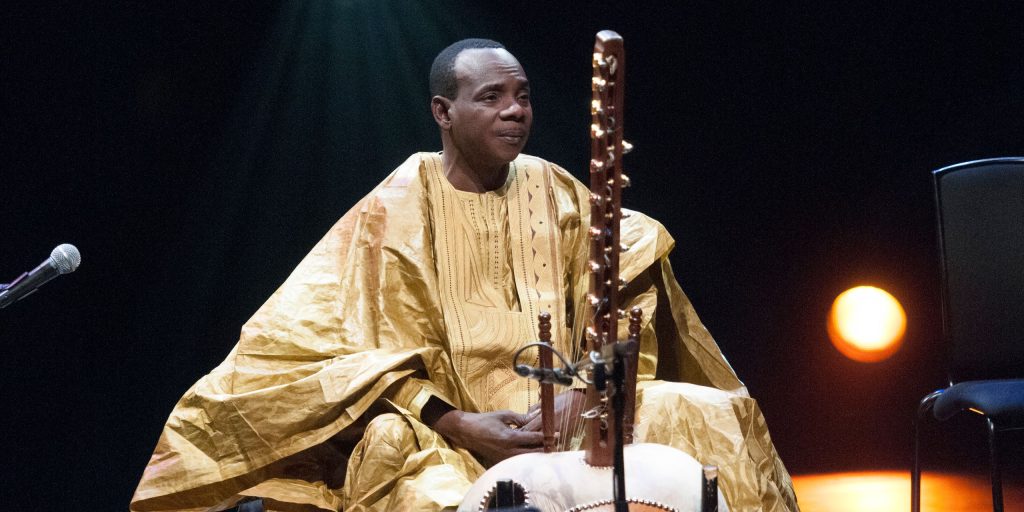
Toumani Diabaté PHOTO/X
Toumani Diabaté was a renowned Malian musician and master of the kora, the 21-string West African harp-like instrument central to Mandé griot traditions.
Born on August 10, 1965, in Bamako, Mali, he came from a distinguished family of hereditary griots whose lineage as kora players and storytellers stretches back more than 70 generations.
Often called the “king of the kora” or its global ambassador, Diabaté elevated the instrument from its traditional roots in Mali to international stages through virtuosic playing, improvisation, and innovative cross-cultural collaborations.
He passed away on July 19, 2024, at the age of 58 in Bamako following a short illness.
Siblings
Toumani had one younger brother, Mamadou Sidiki Diabaté, who is also a skilled kora player continuing the family’s musical legacy.
Mamadou Sidiki has performed alongside Toumani and other family members, including in the musical collective Lamomali.
Career
Born into a musical household, Diabaté was the son of legendary kora player Sidiki Diabaté, known as the “king of the kora” and the first to record a solo kora album in 1970, and singer Nene Koita (also referred to as Nama Koïta).
Although he listened to his father’s playing, Toumani was largely self-taught, beginning on the kora around age five.
Also Read: Craig Reid Siblings: All About Charlie Reid

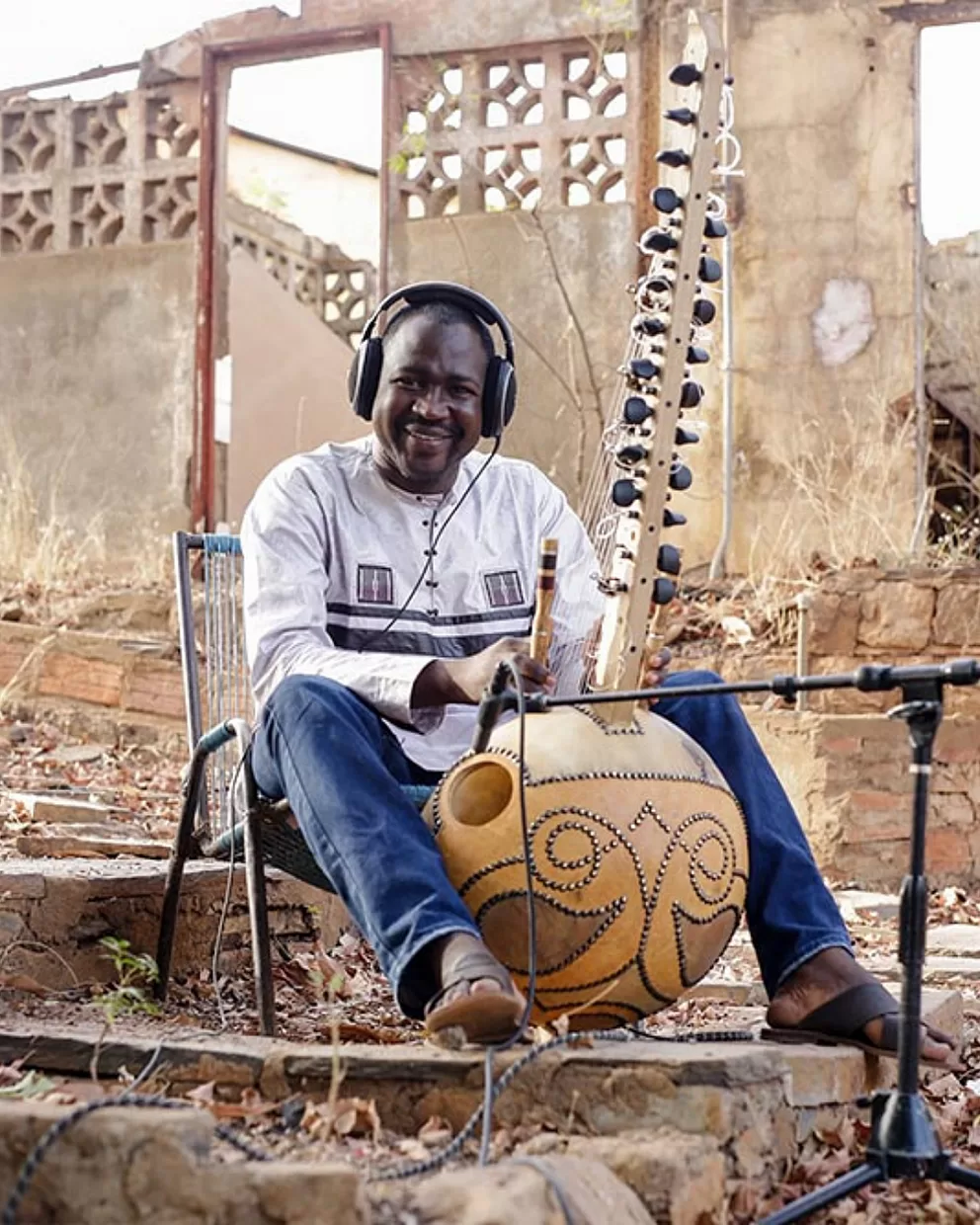
He started performing professionally as a teenager in groups in Koulikoro and quickly gained recognition for his innovative style that combined traditional Malian repertoire with improvisation and modern elements.
Diabaté rose to international prominence in the 1980s and 1990s through solo albums like Djelika and collaborations that introduced the kora to new audiences.
He worked with global artists including Ali Farka Touré on the Grammy-winning albums In the Heart of the Moon and Ali and Toumani, Taj Mahal, Björk, Damon Albarn, and the London Symphony Orchestra.
His projects ranged from traditional solo kora recordings such as The Mandé Variations to fusions with flamenco, blues, classical, and electronic music.
In later years, he recorded a father-son duet album with his own son Sidiki Diabaté and participated in ensembles like Lamomali.
Beyond performance, Diabaté served as a cultural ambassador, promoting Malian music worldwide while supporting local arts and HIV/AIDS awareness initiatives in Mali.
Accolades
Diabaté won two Grammy Awards for Best Traditional World Music Album: the first in 2006 for In the Heart of the Moon with Ali Farka Touré, and the second in 2011 for Ali and Toumani.
His solo work earned additional Grammy nominations, including for The Mandé Variations.
In 2004, he was awarded the Zyriab des Virtuoses, a UNESCO prize at Morocco’s Mawazine Festival.
A panel for The Independent named him one of the fifty best African artists across all media in 2006.
In 2014, he received an honorary doctorate in music from SOAS University of London for raising global awareness of the kora and traditional Malian music.
Diabaté was also recognized as a UN goodwill ambassador for his efforts in highlighting the HIV/AIDS crisis through music and cultural work.

