

Treasury Invites Public Views on FY 2026/27 Budget Ahead of Finalization

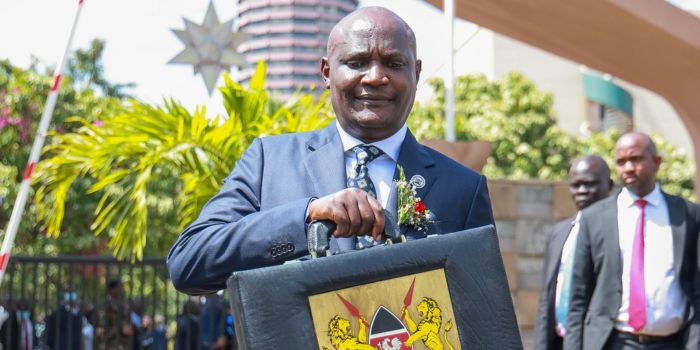
mbadi budget briefcase
The National Treasury of Kenya has invited members of the public to submit views, proposals and innovative ideas on economic policy, expenditure priorities and tax measures as it finalizes the FY 2026/27 Budget.
In a notice issued on Tuesday, April 28, 2026, Treasury Cabinet Secretary John Mbadi urged stakeholders to present submissions that are specific, practical and aligned with key national priorities.
These include measures to consolidate and scale up gains under the Bottom-Up Economic Transformation Agenda (BETA), interventions to reduce the cost of living, enhance food security and expand opportunities for youth, women and vulnerable groups in entrepreneurship, sustainable employment and leadership.
The Treasury is also seeking proposals to strengthen human capital development, promote a net-export economy, ensure reliable and affordable energy, and improve transport and logistics systems. Additional focus areas include enhancing macroeconomic stability and resilience, particularly in response to climate-related shocks and global geopolitical developments.
Further submissions are expected on strategies to boost domestic revenue mobilization, broaden the tax base and improve compliance while minimizing the burden on households and businesses. Contributors are also encouraged to suggest measures to promote fiscal discipline and prudent management of public resources, as well as any other ideas that support inclusive and sustainable economic growth.
Members of the public can submit their proposals via email to budgetstatement@treasury.go.ke, copying budgetstatement@gmail.com. The deadline for submissions is May 8, 2026.
Mbadi is expected to present the FY 2026/27 Budget Statement before Parliament on June 11, 2026.
The Cabinet already approved the budget estimates, projecting total expenditure at Sh4.7 trillion against revenues of Sh3.53 trillion, leaving a deficit to be financed. The budget allocates Sh3.46 trillion for recurrent expenditure, with key sectors including education receiving Sh658.5 billion and national security Sh373.8 billion.

