

Turkey’s president rejects Israel’s recognition of Somaliland

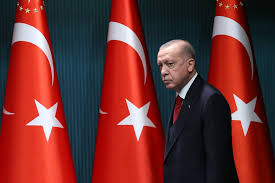
Turkey's president rejects Israel's recognition of Somaliland
Turkey’s President Recep Tayyip Erdogan rejected Israel’s recognition of the breakaway region of Somaliland as an independent nation.
During a visit to Ethiopia, Erdogan said it could prove dangerous for a volatile region.
In December, Israel became the first country to recognise Somaliland, which declared independence from Somalia more than 30 years ago. The move upset Mogadishu, which still considers Somaliland as part of its territory.
Landlocked Ethiopia has yet to comment, but its plans two years ago to lease a piece of Somaliland’s coastline to build a port angered Somalia at the time – and it was Erdogan who mediated an end to the dispute that had prompted fears of a wider conflict.
In reaction to Erdogan’s comments, Somaliland’s foreign ministry said that Turkey, which has in recent years become an important geopolitical player in the Horn of Africa, should refrain from inflaming regional tensions. At a joint press conference in Addis Ababa with Ethiopian Prime Minister Abiy Ahmed, Erdogan said: “The Horn of Africa should not be the battlefield of foreign forces.
“We believe that countries of the region should address their problems by themselves.”
Meanwhile, Abiy urged Turkey to support Ethiopia’s quest for sea access, arguing that it was unjust for the country to remain landlocked.
Eritrea officially seceded from Ethiopia in 1993, leaving the country without access to a 1,350km (840-mile) Red Sea coastline.
“It is not right for a country with a population of over 130 million to be denied sea access and remain a geographical prisoner for a long time due to the conspiracy of our enemies,” Abiy said.
Since the Somaliland deal fell through in 2024, Abiy has been pushing for ownership of Eritrea’s southern port of Assab – about 60km from its border – and hinted at the desire to take it by force.
Abiy said he had asked Turkey to exert diplomatic pressure and assist peacefully in securing access to the sea.
“We have had a strong discussion with President Erdogan to play his part in this regard. We thank him for this,” the Ethiopian prime minister added.
This all comes against the backdrop of fears of a return to conflict in Ethiopia’s northern Tigray region, which borders Eritrea.
During the first Tigray war, which raged between 2020 and 2022, Eritrean forces fought alongside the Ethiopian army against local Tigrayan fighters.
But allegiances have changed – and any renewed conflict in Tigray is likely to inflame tensions between the neighbours who fought a devastating border war between 1998 and 2000 that claimed more than 100,000 lives.
Local media has been reporting about growing panic in cities in Tigray as alleged military build-ups continue near the region.
Banks in Tigray have run out of cash and civil servants did not receive their January salaries, further fuelling frustration.
By BBC News

