

Universities Fund Faces Sh9.6bn Shortfall As Pending Bills Hit Sh72.2bn

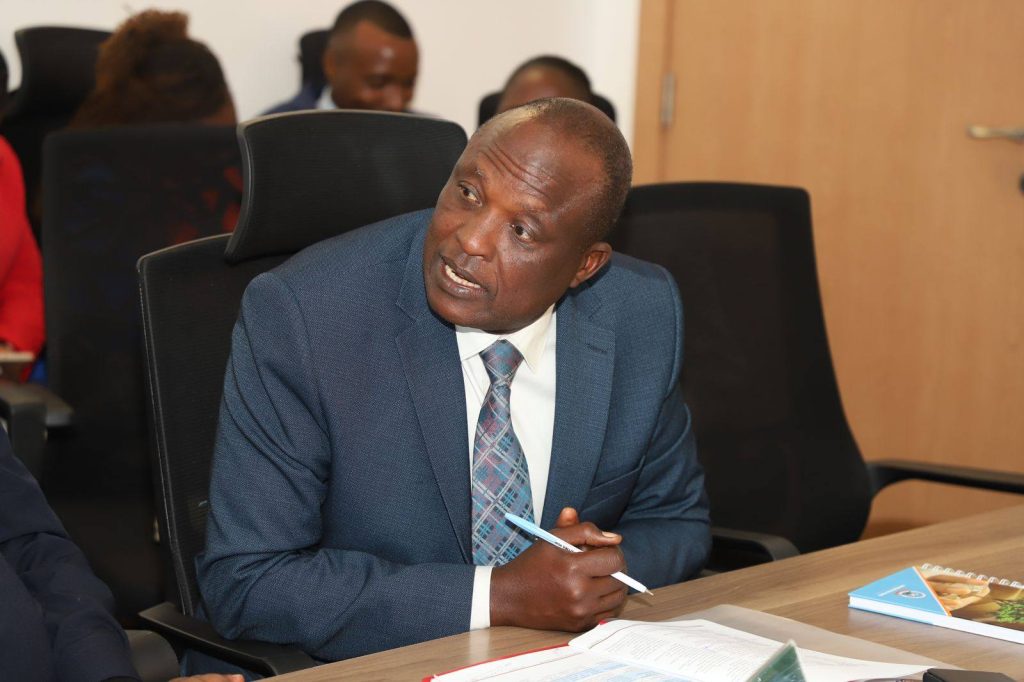
The National Assembly’s Committee on Education has raised alarm over a Sh9.6 billion shortfall in university scholarship funding, even as pending bills owed to universities—both public and private—surpass Sh72.2 billion.
During an oversight visit to the Universities Fund (UF) headquarters in Nairobi, the Fund’s Acting CEO Dr. Edwin Wanyonyi told MPs that while the agency received Sh16.5 billion for student scholarships and Sh342 million for operational expenses this financial year, a significant funding gap still exists.
“The deficit stands at over Sh9.6 billion,” said Dr. Wanyonyi.
Members of the Committee expressed concern over the ballooning pending bills, especially the parity of amounts owed to public and private institutions. This is despite private universities having far fewer students.
“Are you sure about your figures?” asked MP Nabii Nabwera. “How can private universities be owed nearly the same amount as public ones? Even the Auditor-General’s report flagged overpayments to private universities.”
The Committee directed UF to provide a detailed breakdown of all pending bills, including amounts owed to each university.
MP Phyllis Bartoo questioned the distinction between UF and the Higher Education Loans Board (HELB), suggesting a possible duplication of roles. However, Dr. Wanyonyi clarified that HELB handles student loans while UF is responsible for scholarships and university capitation under the New Funding Model (NFM).
The NFM, introduced in 2023, allocates funding based on students’ financial need and academic programme. In the 2024/2025 financial year, a total of 559,636 students were supported. Of this, Sh16.9 billion was disbursed under the NFM and Sh23.6 billion under the older Differentiated Unit Cost (DUC) model across 40 public universities.
The Fund also highlighted its shift toward digital transformation, including the rollout of a data management system and a secure institutional portal aimed at improving transparency and efficiency.
However, MPs questioned the platform’s effectiveness. MP Mary Emaase said many students still experience delays. “What are you doing to improve access? Some of our children struggle with the portal for over a week.”
The Committee also sought clarity on how equity and marginalisation factors are considered in funding allocations, and how UF is working with HELB, KUCCPS, and other education agencies to avoid duplication and confusion.
While applauding the Fund’s efforts to expand access to university education and adopt a student-centred model, MPs said unresolved financial challenges and limited institutional capacity remain barriers.
Dr. Wanyonyi revealed that UF is operating with only 60 percent of its approved staff and is still waiting for the Salaries and Remuneration Commission to approve new salary structures.