

US Moves to Isolate Nicaragua After Ortega Declares ‘No More Elections’ in 2026

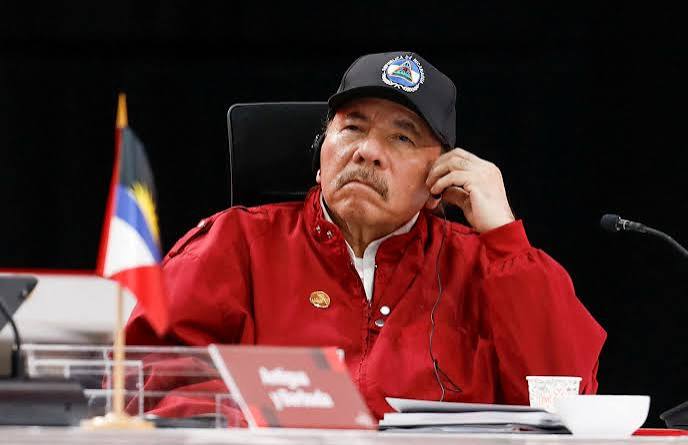
US Moves to Isolate Nicaragua After Ortega Declares ‘No More Elections’ in 2026
If you haven’t been paying close attention to Central America, here’s the short version: Nicaragua just told the world it’s done with elections, and the United States is not taking it lying down.
Let’s rewind a bit, because this didn’t happen overnight.
Back on July 19th—during the annual celebration of the Sandinista revolution—President Daniel Ortega stood in front of a crowd and dropped a bomb. He said, and I’m quoting directly here, “There won’t be any more elections here for them to try to seize the government and seize power.” No ambiguity. No room for interpretation. Just a flat-out declaration that the electoral clock in Managua has stopped for good.
Now, you might think that was just campaign rhetoric or a heat-of-the-moment rant. But Ortega and his wife, co-President Rosario Murillo, are nothing if not methodical. They followed up that speech with action. On September 1st, their hand-picked National Assembly rammed through a constitutional reform package that makes that declaration official. The new rules ban most opposition parties outright, extend the presidential term from six to seven years, and permanently bar anyone labeled a “traitor to the homeland” from holding public office. In other words, they’ve locked the system down tight.
That brings us to yesterday, September 2nd. U.S. Secretary of State Marco Rubio didn’t wait around. He announced that America is moving to isolate the Nicaraguan government through the Organization of American States (OAS). His message to international partners was blunt: end business as usual. Rubio didn’t mince words either, calling the regime a “brutal dictatorship”—which, by the way, is the official language the State Department has been using for a while now. They even call it the “Murillo-Ortega dictatorship” in official documents.
So what does “isolation” look like in practice? The U.S. is promising more regional sanctions and is leaning heavily on the OAS to apply diplomatic pressure. This comes on the heels of the OAS convening an emergency meeting on Nicaragua back in August, so the groundwork was already laid.
Here’s the ironic twist, though: Nicaragua officially pulled out of the OAS back in 2022, and that withdrawal fully took effect in 2023. So the U.S. is essentially using a club that Nicaragua has already walked away from. It’s a symbolic move, sure, but it also signals to other countries in the hemisphere—especially those in the European Union and Latin America—that Washington is watching how they engage with Managua going forward.
This didn’t start in 2026, either. If you remember the 2021 elections, they were widely disputed after Ortega jailed his main competitors and passed laws that effectively criminalized dissent. The international community grumbled then, but life went on. Now, by tearing up the electoral calendar entirely, Ortega has forced the world to pay attention again.
So where does that leave the average Nicaraguan? Stuck in the middle of a geopolitical tug-of-war, honestly. The U.S. wants to squeeze the regime economically and diplomatically. Ortega wants to frame this as foreign meddling and rally his base. Meanwhile, the constitutional changes mean that even if international pressure mounts, there’s no internal mechanism left to challenge his hold on power.
Is the U.S. strategy going to work? That’s the million-dollar question. Sanctions have a mixed track record in the region, and Ortega has weathered similar storms before. But this time feels different because he’s not just rigging a vote—he’s abolishing the very idea of one. That’s a line that even some of his former allies might find hard to defend.
We’re only a couple of days into this new phase, so expect more announcements, more condemnations, and probably more defiant speeches from Managua. What’s clear is that the relationship between Washington and Managua has entered a new, much colder era. And for the people living there, the uncertainty is just beginning.

