

We regret Shakahola massacre took long to be noticed, PS Omollo says

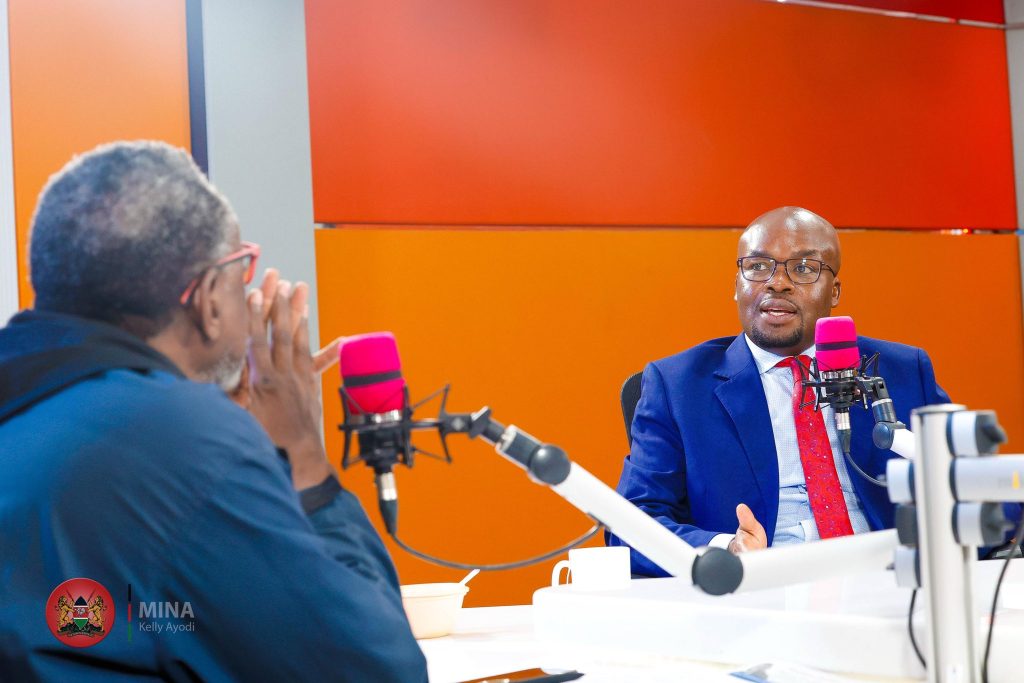
It is regrettable that the Shakahola tragedy in which hundreds of lives were lost took long to be noticed, Internal Security and National Administration Principal Secretary Raymond Omollo has said.
Dr Omollo said nobody could imagine that a tragedy of that magnitude could happen in the country.
He said it was unfortunate that the tragedy happened in the context of religion with criminal elements exploiting vulnerabilities that exist in the society people for their selfish ends.
Describing the tragedy as “shocking”, Dr Omollo said most of those affected, were innocent people who were practicing their faith and seeking connection with God.
“Shakahola is one dark blot in the conscience of our humanity as a nation that we must never allow to happen again,” he said
He explained that the most of those affected were women and children – the most vulnerable members of the population.
The PS emphasized the need for robust self-regulation of faith-based organization to forestall similar tragedies in the future.
He said President Ruto formed a taskforce led by former National Council of Churches of Kenya secretary-general, the Rev Mutava Musyimi to look into the tragedy as part of the Government’s strategy to conclusively deal with the matter.
“We hope that in the fullness of time, we shall implement those recommendations,” he said.
Dr Omollo said it the number of deaths was “significant”, adding that it was difficult for the forensic investigators to identify some of the decomposing bodies.
He spoke during a morning show at the Spice FM’s Situation Room.
In some cases, he said, relatives and friends were reluctant to inform authorities of the missing persons, making sampling in DNA analysis difficult.
“We ended up with situations where we had either indeterminate or undocumented cases,” he said.
He said there were active court cases and investigations on the tragedy.
He also said the government was doing everything to secure and ensure return of the five Mandera chiefs abducted last month to their homes.
The government implemented no-abductions policy and respected human rights of all people, he said
“It is not the government’s policy to do abduction and the President has been unequivocal about this – that it can never happen and will never happen under his watch,” he said.
He also said the police conducted their affairs in a professional manner and urged the public to support the officers.
In cases of excess, he said, there were robust legal mechanisms of dealing with them.
He cited about four cases in which the Independent Police Oversight Authority had taken police office officers to court.
Dr Omollo said the service had a robust internal mechanism for investigating cases of misconduct.
He said the government will continue to implement a policy of uniform vetting of all youth seeking national identity cards countrywide in linewith President Ruto’s pre-election promise.
The previous policy of enhanced vetting for some areas, especially in North Eastern Region was discriminatory and did not respect human rights of citizens in those places.
It was also unsustainable to implement unequal treatment “when it comes to building an equal society”.
Kenyans from counties bordering other countriessuch as Somalia, Ethiopia, Uganda, Tanzania, and South Sudan have for long advocated for equal treatment, particularly regarding access to identity documents.
The President recently signed an order removing the the requirement for extra vetting in any part of the country.
Police were under firm instructions not to use excessive force against peaceful protesters exercising their democratic rights and freedoms.
He added police reforms being implemented currently were comprehensive and included capacity building, mental health of officers, training curriculum review, leveraging on technology.
Dr Omollo said measures had been put in place to address internal and external security threats, including fighting terrorism and other organized crimes.
The police also worked round the clock to fight against ethnic tensions, cattle rustling and banditry in various parts of the country, he added.
Dr Omollo asked the public to support the police in keeping the country safe.
He said his department was responsible for internal security – largely policy and coordination of security affairs, including the security agencies and National Government administration Officers (NGAOs)
His State Department is also responsible for the coordination of all national government programmes and activities countrywide, explained.
Dr Omollo gave the example of ensuring that all school age going children have to be enrolled in learning institutions.
“We have the responsibility of supporting the Ministry of Education to ensure that all children of school going age are in school,” he said.
He noted that the government is keen on ensuring all learners access quality education and are retained in the education system.
On agriculture, Dr Omollo said his officers have been tasked with the role of supporting programmes aimed at identifying farmers, enhancing access to quality farm inputs.
The Government, he noted, gave a lot of premium to the nation’s food security needs hence the concerted efforts to support production.
Dr Omollo said his department played a key role in inter-governmental relations to ensure seamless service provision to Kenyans by the national and county governments.
“At the end of the day we are serving the same people,” he said of Kenyans in relation between the national government and the country’s 47 devolved units.
He said feedback from wananchi was critical, as it informed the strategy for improved service provision and security of the country.

