

What are the requirements to become an MP in Kenya?

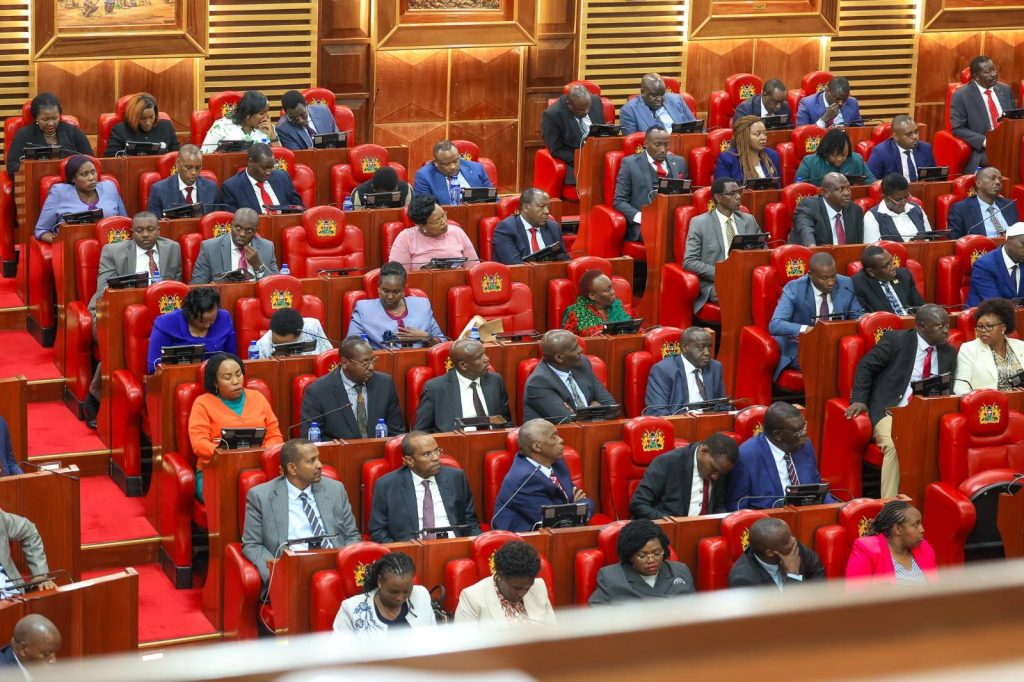
With Kenya’s 2027 General Election scheduled for August 10, prospective politicians are already positioning themselves to contest for elective positions across the country.
For those seeking a seat in the National Assembly, meeting the legal requirements is the first step before campaigning for votes.
The Constitution of Kenya sets out the basic qualifications and disqualifications for anyone seeking election as a Member of Parliament (MP). The requirements apply to candidates seeking election to both the National Assembly and the Senate, although each position has specific nomination requirements.
What are the basic requirements to become an MP in Kenya?
Under Article 99 of the Constitution, a person is eligible for election as a Member of Parliament if they meet the prescribed legal requirements.
The first requirement is that the candidate must be a registered voter in Kenya.
An aspiring MP must therefore be registered as a voter before seeking elective office. The candidate must also satisfy the educational, moral and ethical requirements prescribed by the Constitution or an Act of Parliament.
The candidate must then be nominated by a political party or contest as an independent candidate.
For an independent candidate seeking a National Assembly seat, the Constitution requires support from at least 1,000 registered voters in the constituency.
Is a university degree required to become an MP?
Education requirements have been an important issue in previous elections.
The Constitution itself requires parliamentary candidates to satisfy educational requirements prescribed by law. The IEBC’s current aspirant requirements state that a person seeking election as a Member of Parliament must be a holder of a degree from a university recognised in Kenya.
However, aspirants should check the final requirements issued by the IEBC for the 2027 election because Parliament, the courts or the electoral commission may affect how the qualification requirements are applied.
Is there an age limit for becoming an MP?
The Constitution does not prescribe a separate minimum age specifically for a Member of Parliament.
The key constitutional requirement is that the person must be eligible for election as a member of Parliament and must be a registered voter.
Since Kenyan citizens can register as voters from the age of 18, an individual must generally be at least 18 years old to meet the voter-registration requirement.
Therefore, unlike some elective offices where age requirements are expressly stated, the parliamentary qualification is tied to the constitutional requirements for voters and candidates.
Must an MP be a Kenyan citizen?
Yes.
A person seeking election as an MP must meet Kenya’s citizenship requirements.
Article 99 provides that a person is disqualified from election as an MP if they have not been a Kenyan citizen for at least 10 years immediately preceding the date of the election.
This means citizenship status and the length of time a person has been a Kenyan citizen can become important during the clearance process.

Can a public servant contest for MP?
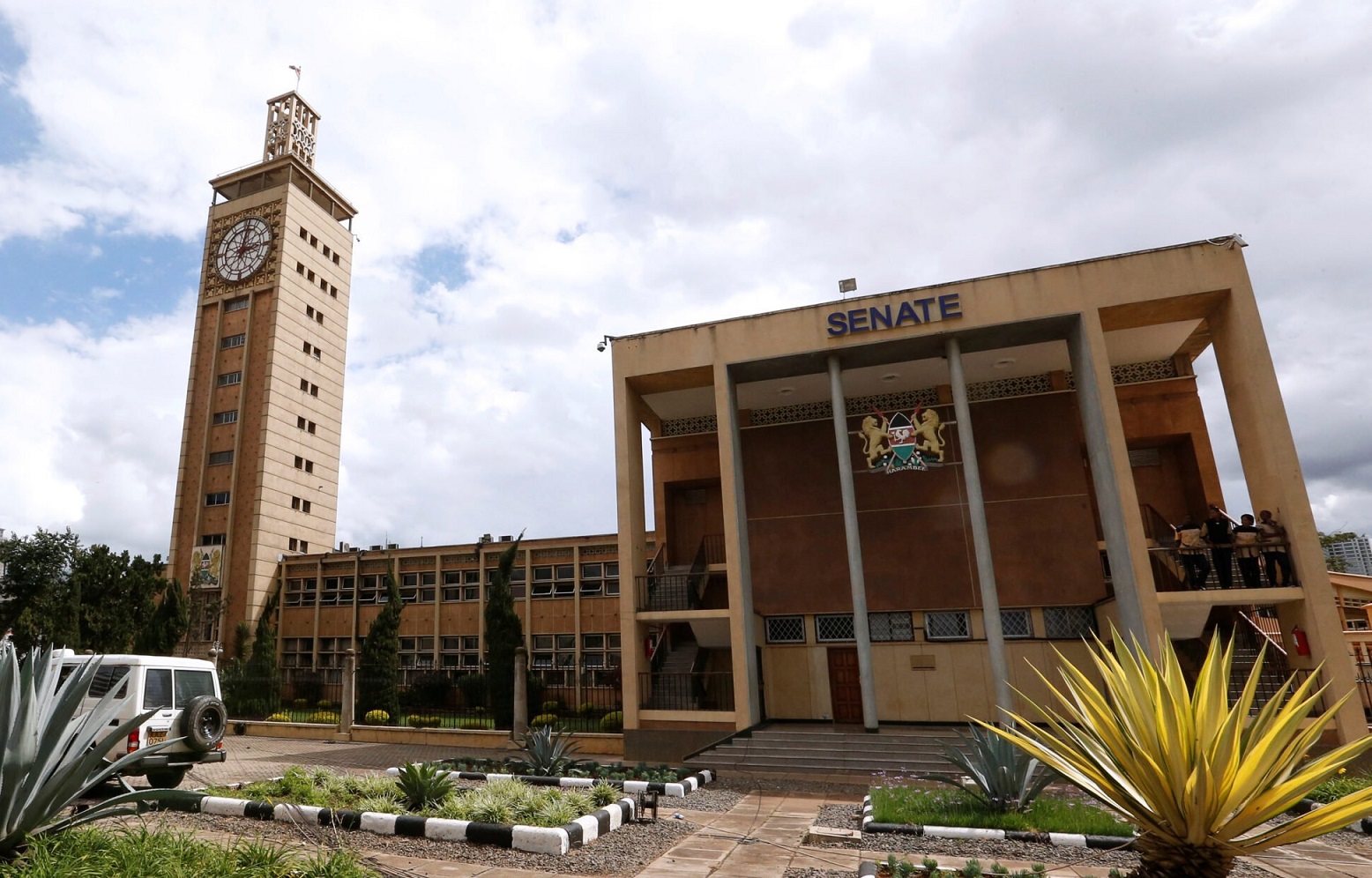
A State officer or other public officer is generally disqualified from being elected as an MP, except for a serving Member of Parliament.
This means public officers who want to contest may need to leave office in accordance with the applicable law before seeking elective office.
The Constitution also disqualifies a person who has served as an IEBC commissioner within five years before the election.
Can a sitting MCA become an MP?
A sitting Member of County Assembly is among those expressly disqualified from being elected as a Member of Parliament.
An MCA who intends to move to Parliament therefore has to comply with the applicable legal requirements before contesting for a National Assembly seat.
This distinction is particularly important during election periods because politicians often move from county assemblies to Parliament.
Can a bankrupt person become an MP?
An undischarged bankrupt is disqualified from being elected as a Member of Parliament.
The Constitution also bars a person who is serving a prison sentence of at least six months at the time of registration as a candidate or at the election.
However, the disqualification relating to a sentence or decision does not apply where the possibility of an appeal or review has not been exhausted.
What about integrity and Chapter Six requirements?
An aspiring MP must meet Kenya’s constitutional leadership and integrity requirements.
A person can be disqualified if they are found, in accordance with the law, to have misused or abused State or public office or contravened Chapter Six of the Constitution.
This makes integrity and ethical conduct an important part of the candidate clearance process.
Candidates should therefore expect scrutiny of their qualifications, citizenship, voter registration, integrity and other statutory requirements before being cleared to contest.

Can an independent candidate contest for MP?
Yes.
Kenyan law allows candidates to contest parliamentary seats as independents.
An independent candidate for the National Assembly must obtain the support of at least 1,000 registered voters in the constituency.
The Constitution also provides rules governing eligibility to stand as an independent candidate. Among other requirements, a person must not be a member of a registered political party and must not have been a member of one for at least three months immediately before the election.
What does a political party candidate need?
A person seeking a parliamentary seat through a political party must first secure the party’s nomination.
Political parties conduct their own nomination processes in accordance with their constitutions, the Political Parties Act and applicable electoral laws.
The IEBC then handles the formal candidate registration and clearance process once the nomination process has been completed.
The Elections (General) Regulations provide for the nomination of political party candidates for National Assembly elections through the prescribed process.
What documents will an MP candidate need?
The precise documents required for the 2027 election will depend on the final IEBC nomination and candidate-registration guidelines.
However, aspirants should expect to provide evidence relating to their identity, voter registration, educational qualifications, party nomination or independent candidature and other statutory requirements.
Candidates should also be prepared to provide documents required to demonstrate compliance with integrity and other legal requirements.
The IEBC is responsible for registering candidates and regulating the electoral process, including political party nominations and compliance with election laws.

How many MPs are elected from constituencies?
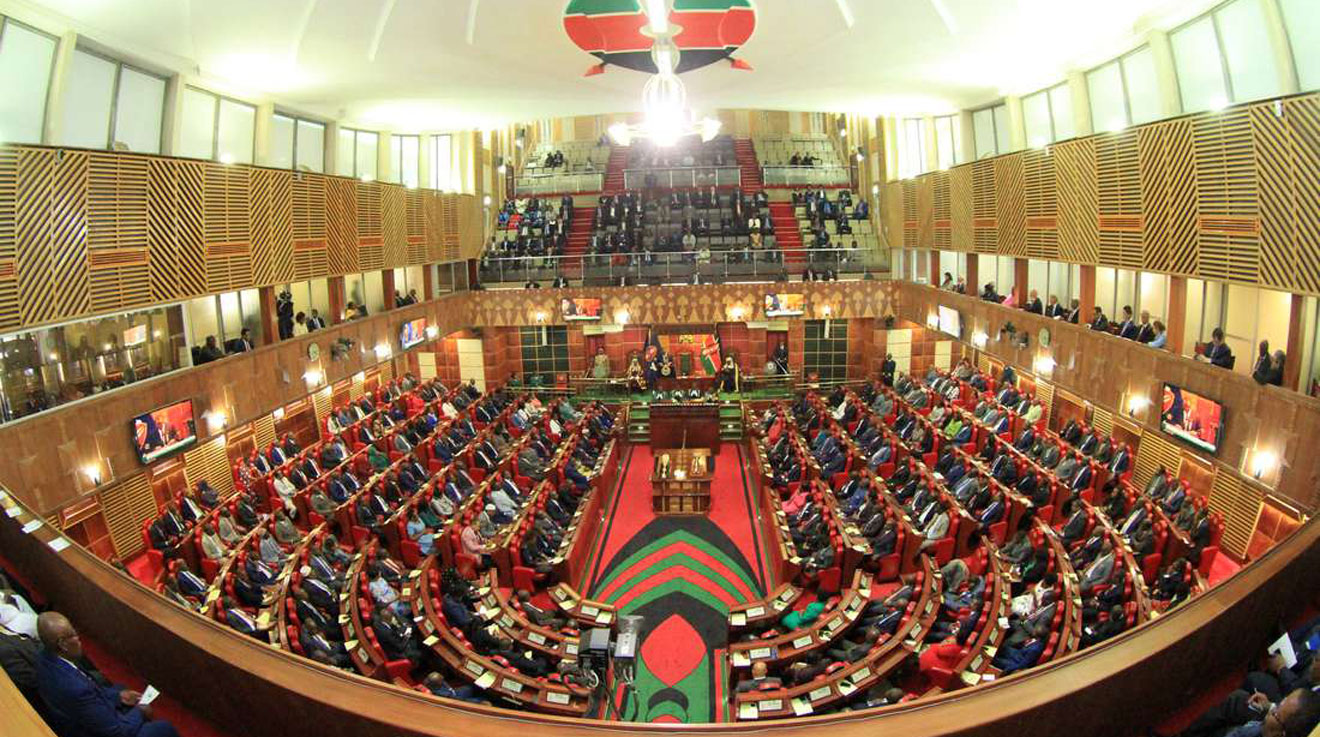
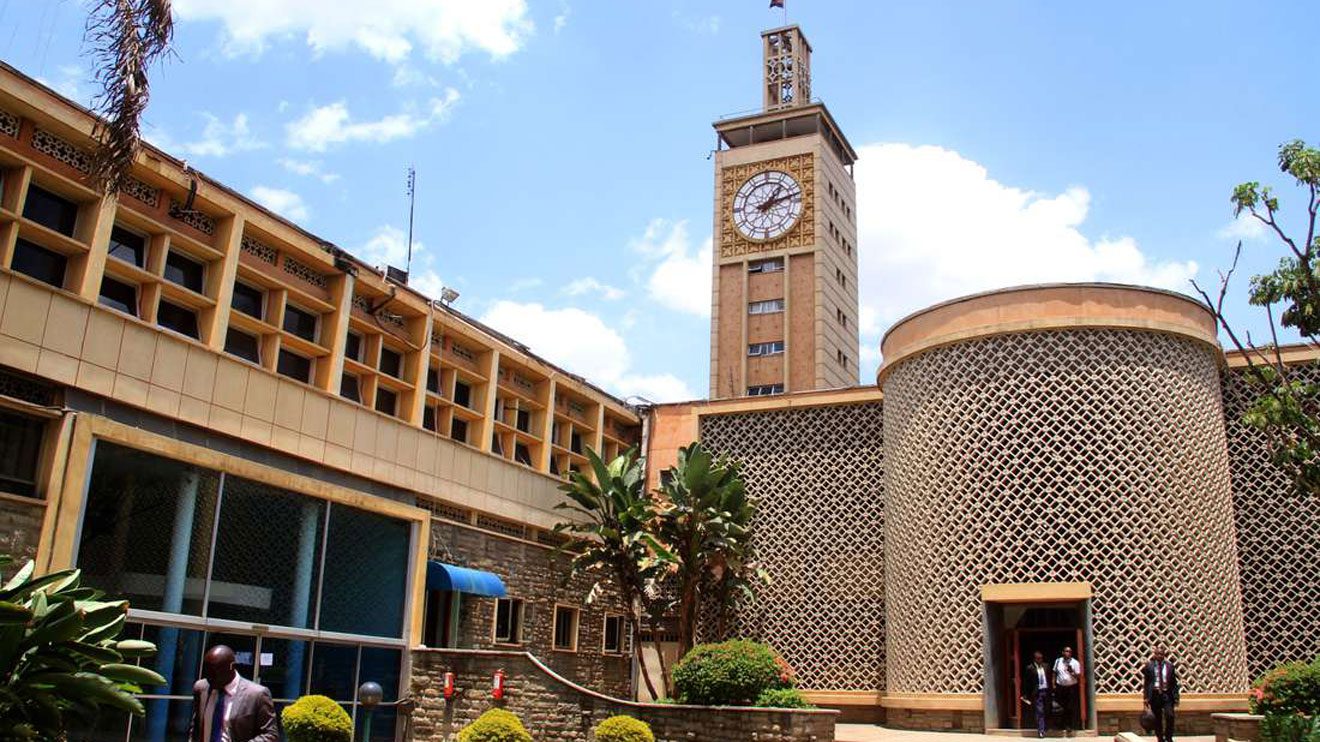
Kenya has 290 constituencies, with each constituency electing one Member of the National Assembly.
The National Assembly also includes nominated members representing special interests as provided for by the Constitution.
For someone planning to contest in 2027, this means the first major political decision is identifying the constituency in which they intend to seek election and determining whether they will use a political party or independent ticket.
Do MPs have term limits?
Members of Parliament serve five-year terms, corresponding with the term of the relevant House.
There is no constitutional limit on the number of times an MP can be re-elected. A sitting MP can therefore seek another term provided they continue to satisfy the legal requirements and win the election.
What about campaign spending?
Meeting the eligibility requirements is only one part of running for Parliament.
Candidates must also comply with Kenya’s laws governing election campaigns and campaign financing.
The Constitution gives the IEBC responsibility for regulating the amount of money that may be spent by or on behalf of a candidate or political party in an election.
A candidate contesting for an MP seat in North Horr constituency will spend the most – Sh100,424,301. This is followed by Wajir South, where expenditure for MP elections has been capped at Sh73,016,747.
A contestant for an MP seat in Turkana North constituency will spend up to Sh59,745,774, whereas one in Laisamis constituency will spend up to Sh59,449,850 and Sh56,377,048 for Turkana West constituency.
On the other hand, a candidate seeking the MP position in Wundanyi constituency has been given the lowest limit of Sh15,430,114. This is followed by Tetu constituency (Sh15,773,355), Kengema constituency (Sh15,819,299), Mukurweini constituency at Sh16,162,242 and Othaya constituency at Sh16,326,164.
What can disqualify an MP candidate?
An aspiring MP can be disqualified if they:
- Are not a registered voter.
- Fail to satisfy applicable educational, moral or ethical requirements.
- Do not meet the citizenship requirement.
- Are a State or public officer, subject to the constitutional exception for MPs.
- Have served as an IEBC commissioner within five years before the election.
- Are a sitting MCA.
- Are of unsound mind.
- Are an undischarged bankrupt.
- Are serving a qualifying prison sentence.
- Have been found to have misused or abused public office or violated Chapter Six of the Constitution.
What should aspiring MPs do before 2027?
Anyone planning to contest for Parliament in 2027 should begin by confirming their eligibility rather than waiting until the nomination period.
A prospective candidate should confirm voter registration, review their academic qualifications, establish their citizenship status, determine whether they will seek a political party ticket or contest independently and ensure that any public-office or employment issues are handled in accordance with the law.
They should also monitor official IEBC announcements because the Commission will publish the final nomination timetable, candidate requirements and other procedures applicable to the 2027 elections.
The legal framework can change before the election. For that reason, aspirants should rely on the final regulations and notices issued by Parliament and the IEBC when the 2027 nomination process begins.
Also Read: Parliament will not be injuncted from executing its mandate, Wetang’ula tells Judiciary

