

What are the requirements to become president of Kenya?

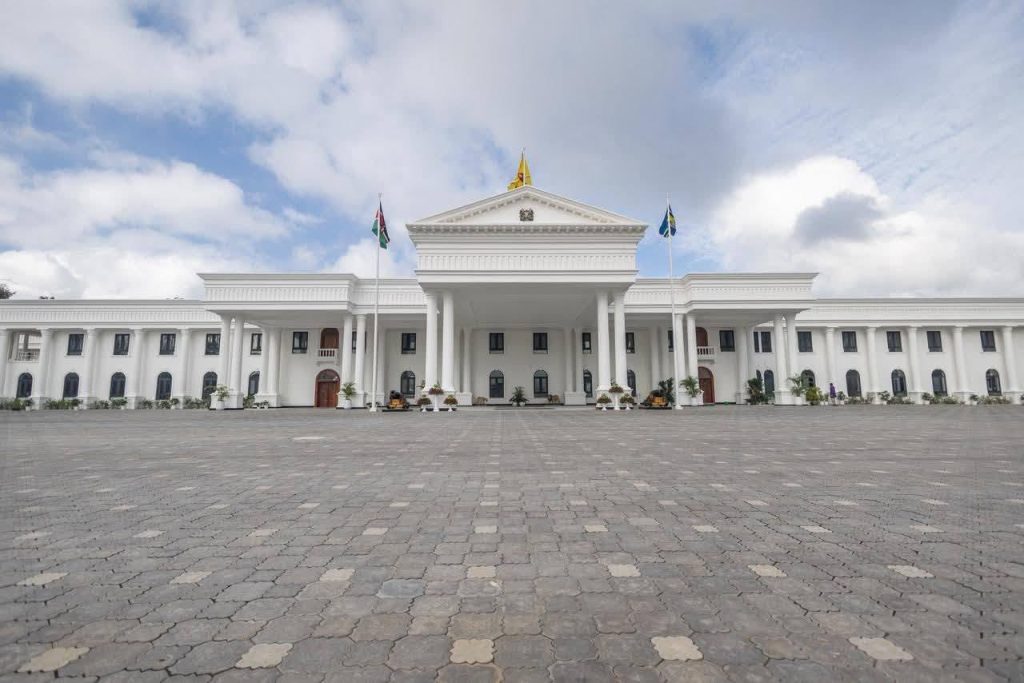
With Kenya’s 2027 General Election scheduled for August 10, 2027, the race for State House is already taking shape, with several political leaders positioning themselves for the presidency.
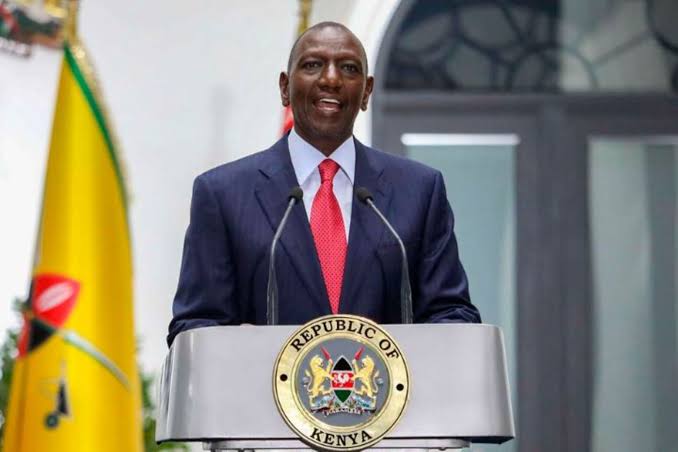
President William Ruto is expected to seek re-election, while former Deputy President Rigathi Gachagua, former Prime Minister Raila Odinga, former Cabinet Secretary Fred Matiang’i, former Chief Justice David Maraga, Wiper leader Kalonzo Musyoka and former Cabinet Secretary Martha Karua are among the political figures who have been associated with the race or opposition efforts ahead of the election.
But beyond political popularity, what does the law require before a person can officially appear on the ballot as a presidential candidate?
The candidate must be a Kenyan citizen by birth
The Constitution requires every presidential candidate to be a citizen of Kenya by birth.
This means citizenship acquired through registration or naturalisation does not satisfy the specific constitutional requirement for the presidency.
Article 137 of the Constitution provides that a person qualifies for nomination as a presidential candidate if they are a citizen by birth and meet the other requirements set out in the Constitution and electoral laws.
The candidate must be a registered voter
A presidential aspirant must also be qualified to stand for election as a Member of Parliament.
Article 99 of the Constitution provides that a person is eligible for election as a Member of Parliament if they are registered as a voter, satisfy the applicable educational, moral and ethical requirements and meet the nomination requirements.
This means voter registration is an important requirement for anyone seeking the presidency.

Is there a minimum age of 35?
No. The 2010 Constitution does not expressly state that a presidential candidate must be at least 35 years old.
This is one of the most misunderstood requirements surrounding the presidency.
Article 137 does not provide a specific presidential age threshold. Instead, it requires an aspirant to be qualified to stand for election as a Member of Parliament.
The Constitution therefore does not contain the old 35-year presidential age requirement found in Kenya’s previous constitutional arrangements.
The practical implication is that the age requirement should not be presented as “35 years” when discussing the current constitutional framework for the 2027 election. A presidential aspirant must, however, be a registered voter and therefore meet the legal requirements for voter registration.
Does a presidential candidate need a university degree?
The education requirement is more complicated.
Section 22(2) of the Elections Act states that a person may be nominated for President, Deputy President, Governor or Deputy Governor only if they hold a degree from a university recognised in Kenya.
However, courts have previously raised questions about whether that statutory degree requirement is consistent with Article 137 of the Constitution, which links presidential eligibility to qualification to stand for Parliament.
In 2022, the High Court in the Rajput case observed that the statutory university-degree requirement for presidential candidates was in conflict with the constitutional framework as interpreted in earlier decisions.
Consequently, a university degree should not simply be presented as an unquestioned constitutional requirement. The issue has been the subject of litigation and remains an important area for prospective candidates and the electoral authorities to watch as the 2027 nomination process approaches.
The IEBC has also indicated that it wants Parliament to provide clearer legislation on academic qualifications for candidates.

A candidate must be nominated by a political party or run as an independent
A presidential candidate can seek nomination through a registered political party or as an independent candidate.
Political party candidates must go through the nomination process prescribed by their parties and comply with IEBC requirements.
An independent candidate must satisfy the additional legal requirements applicable to independent candidates, including requirements relating to party membership and collection of supporting signatures.
The candidate needs support from voters across Kenya
A presidential aspirant cannot simply collect signatures from one political stronghold and qualify for the ballot.
Article 137 requires a presidential candidate to be nominated by at least 2,000 voters from each of a majority of Kenya’s counties.
With 47 counties in Kenya, this means the candidate must obtain the required support from at least 24 counties.
This requirement is designed to demonstrate that a presidential candidate has a degree of national support rather than relying exclusively on one region.
The candidate must not owe allegiance to a foreign state
The Constitution also disqualifies a presidential candidate who owes allegiance to a foreign state.
This requirement is particularly important because the presidency is the country’s highest elective office and carries responsibility for the sovereignty and security of Kenya.

Public officers face restrictions
A person cannot ordinarily be nominated as a presidential candidate while serving as a public officer or acting in a State or other public office.
However, the Constitution provides exceptions for the sitting President, Deputy President and Members of Parliament.
This means public officials considering presidential bids must pay close attention to the applicable legal requirements concerning resignation and eligibility before the nomination period.
Integrity and leadership requirements also apply
Presidential aspirants are subject to Kenya’s constitutional leadership and integrity framework.
Article 99 provides several grounds that can disqualify a person from being elected to Parliament. These include being an undischarged bankrupt, being of unsound mind, serving a prison sentence of at least six months at the relevant time, and being found to have misused or abused State or public office or violated Chapter Six of the Constitution.
Because presidential eligibility is linked to qualification to stand for Parliament, these provisions can become relevant to presidential candidates.

The running mate requirement
A presidential candidate must also nominate a deputy presidential candidate.
The two positions are elected together. A presidential candidate therefore cannot approach the election as an individual candidate without identifying a running mate.
The choice of running mate is politically significant because Kenya’s Constitution requires the President and Deputy President to come from the same presidential ticket.
There are limits on campaign spending
Money will be another major issue in the 2027 presidential contest.
The IEBC has been working on campaign-finance rules that will impose spending limits on presidential candidates and political parties.
The figures have been subject to the regulatory process and should therefore be distinguished between proposed limits and final legally enforceable limits.
IEBC’s draft campaign-finance proposals reported in July 2026 placed the presidential campaign spending ceiling at approximately Sh6.11 billion, while political parties were proposed to have a separate ceiling of about Sh17.7 billion.
The limits are intended to control campaign expenditure and prevent elections from becoming contests determined solely by financial muscle.
The final figures and regulations will be important for all presidential aspirants because candidates will have to account for campaign expenditure and comply with the applicable financing rules.
The election date is August 10, 2027
The 2027 General Election is scheduled for Tuesday, August 10, 2027.
The Constitution provides for the general election to be held on the second Tuesday in August every fifth year.
The IEBC has already begun preparations for the election, meaning prospective presidential candidates will have to meet a series of deadlines before polling day.
The formal campaign period will also be regulated, with candidates and political parties expected to comply with the official campaign timetable set by the electoral commission.
Who is positioning themselves for 2027?
The presidential contest is already attracting several prominent political figures.
President William Ruto is expected to defend his seat after winning the 2022 election.
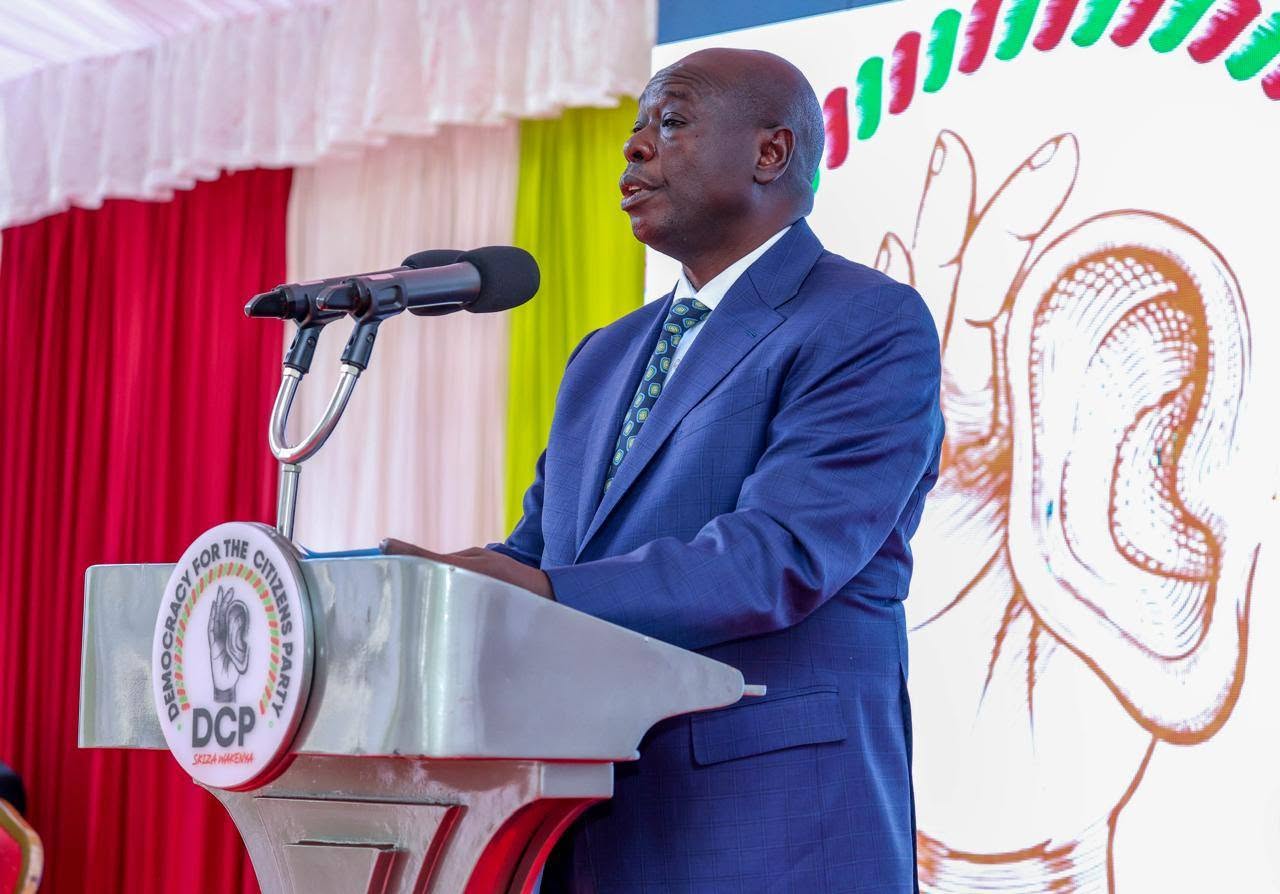
Former Deputy President Rigathi Gachagua has established the Democracy for the Citizens Party (DCP) and has increasingly positioned himself as a major opposition figure ahead of 2027.
Wiper Patriotic Front leader Kalonzo Musyoka has also maintained his presidential ambitions, having previously contested the presidency and remained a major figure within opposition politics.
Former Cabinet Secretary Fred Matiang’i has emerged as another potential contender after returning to active Kenyan politics.
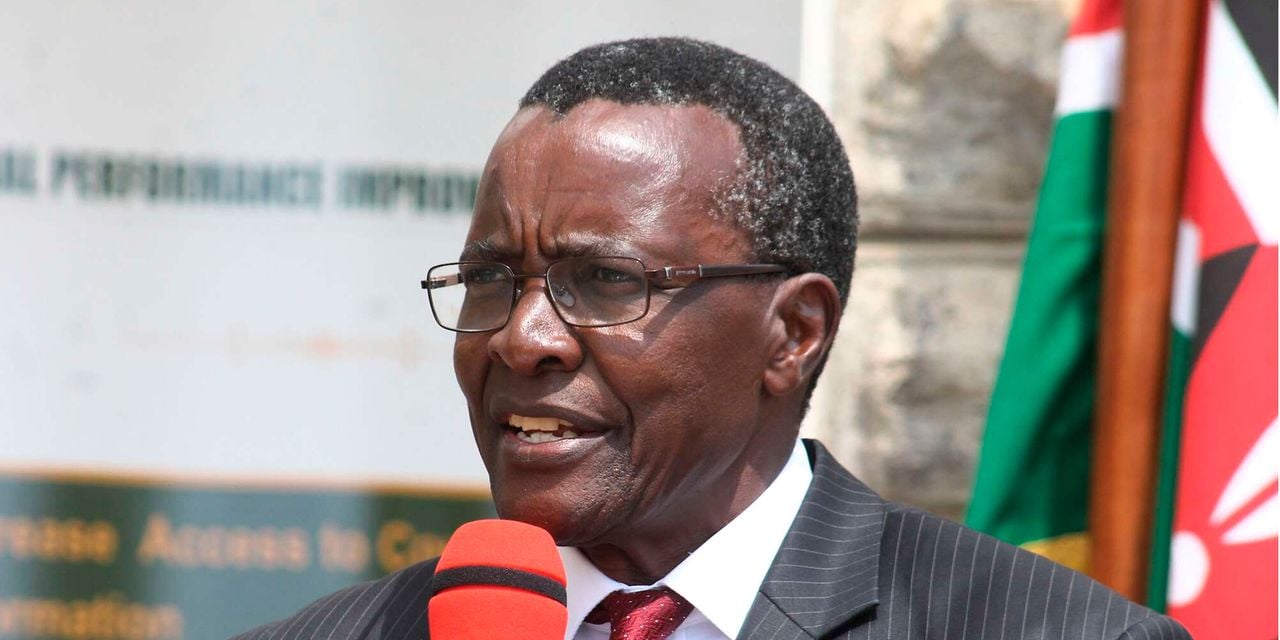
Former Chief Justice David Maraga has also declared his interest in seeking the presidency, while former Cabinet Secretary Martha Karua remains a prominent figure in opposition politics.
Other political leaders could enter the race before the nomination period, while negotiations between parties and political formations are expected to determine the eventual number of presidential candidates.
Winning the nomination is only the first hurdle
Meeting the legal requirements does not guarantee victory.
A presidential candidate must ultimately secure at least 50 per cent plus one of all votes cast in the election and at least 25 per cent of the votes cast in more than half of Kenya’s counties to win in the first round.
If no candidate meets both constitutional thresholds, a fresh election is held between the leading candidates under the constitutional rules governing presidential run-offs.
The 2027 race will therefore require candidates to demonstrate not only national support but also broad geographical appeal.
Also Read: You must respect President Ruto, if you want to be respected-Kindiki

