

What Does a Height Safety Equipment Inspector Actually Look For?

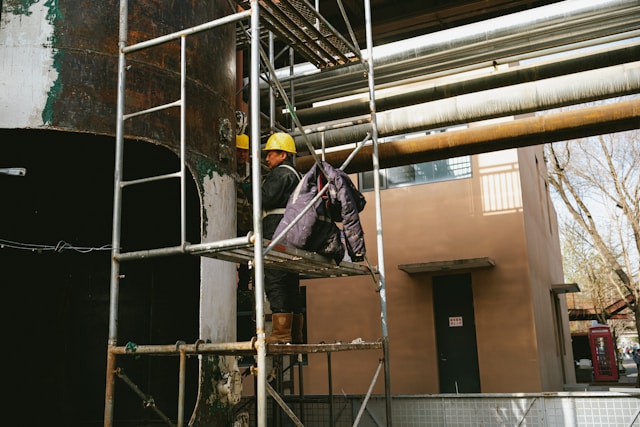
Height Safety Equipment Inspector
Height safety is an essential part of any work site where employees are exposed to fall risks, such as in the construction, roofing, and maintenance industries.
In many cases, fall-related accidents are preventable if the right safety equipment is in place and regularly inspected. But what exactly does a height safety equipment inspector look for when ensuring that your fall protection gear is up to standard?
In this post, we’ll walk you through the key components and factors inspectors consider when assessing height safety equipment. Whether you’re a business owner, safety manager, or worker, understanding these checkpoints will help you maintain a safer work environment.
Condition of Personal Protective Equipment (PPE)
The first thing an inspector will examine is the personal protective equipment (PPE), which includes items such as harnesses, lanyards, ropes, and helmets. These are the last line of defense in case of a fall, so their integrity is critical.
- Harnesses: Inspectors check the webbing for any signs of wear, fraying, cuts, or burns. The D-ring (attachment point) should be secure, without any sharp edges or cracks. Buckles and straps should be properly fastened and adjusted, ensuring they can bear the necessary weight and force.
- Lanyards: The lanyard is the connecting link between the harness and the anchor point. Inspectors will look for signs of damage such as cuts, abrasions, or corrosion on metal parts. They will also check the locking mechanism to ensure it functions smoothly and securely. Lanyards should also have shock-absorbing features if required for the type of work being performed.
- Ropes: For those using ropes as part of their fall protection system, an inspector will check for any fraying, kinks, or wear spots. The rope must be strong and capable of supporting the worker’s weight in case of a fall.
- Helmets: While not always directly linked to fall protection, helmets are part of the PPE used for head protection. Inspectors look for cracks, dents, or damage to the outer shell, as well as secure chin straps that will hold the helmet in place during a fall.
Anchor Points and Connection Systems
Anchor points are where the worker’s fall protection system attaches to the building, structure, or equipment. Inspectors will verify that anchor points are strong enough to withstand the force of a fall (typically 5,000 pounds or more). Here’s what they specifically look for:
- Secure Fixation: The anchor must be firmly secured to a structure that is capable of supporting the forces generated during a fall. If the anchor is loose, rusted, or improperly installed, it could fail during use.
- Correct Location: The placement of anchor points is crucial for effective fall protection. Inspectors ensure that they are positioned in a way that minimizes the risk of swinging during a fall (known as swing fall) and ensures the worker is not placed in a hazardous position.
- Correct Load Rating: The anchor must meet or exceed the load requirements specified by safety standards, usually around 5,000 pounds of force per worker. Inspectors will also check that multiple workers aren’t using the same anchor unless it’s specifically designed for multiple users.
Rescue Systems and Emergency Procedures
Height safety equipment inspections aren’t just about preventing falls—they also focus on how quickly workers can be rescued in case of a fall. Rescue systems should be in place to safely extract a worker who has fallen but is still suspended in their harness.
Inspectors will check:
- Rescue Plans: Is there a clear and accessible rescue plan? Rescue equipment like ropes, pulleys, and winches should be inspected to ensure they are functioning properly.
- Rescue Kits: Inspectors will verify the availability of appropriate rescue kits, including systems designed for self-rescue in case a worker is immobilized and can’t be immediately assisted.
- Training: Inspectors will also check whether workers are trained in rescue procedures, ensuring they can safely execute an emergency response in case of a fall.
Compliance with Industry Standards
Height safety equipment must comply with a wide range of local regulations and industry standards, such as those set by OSHA, ANSI, or European safety standards. During an inspection, inspectors will review whether all fall protection equipment meets these legal requirements and safety guidelines.
- Certification and Markings: Equipment should be properly certified, and inspectors will check that gear has been tested and labeled with the correct certification marks (e.g., CE, ANSI, or OSHA-compliant labels).
- Manufacturer Guidelines: Each piece of equipment comes with specific manufacturer guidelines for inspection, maintenance, and use. Inspectors will verify that the equipment has been maintained according to the manufacturer’s recommendations and that any expiry dates for use (e.g., on ropes or harnesses) are strictly adhered to.
Wear and Tear of Safety Equipment
Even the best height safety equipment wears down over time. An inspector will look for signs of fatigue or degradation, which can be caused by:
- Environmental Exposure: Prolonged exposure to the elements (UV light, chemicals, or extreme temperatures) can degrade materials. For example, ropes may lose strength or become brittle, and harnesses may fade or weaken due to UV exposure.
- Physical Damage: Regular use of equipment can result in scuffing, cutting, or bending of parts, particularly on items like carabiners, ropes, and buckles. Inspectors will assess whether the equipment is still strong and functional.
- Aging: Many items, like harnesses and ropes, have a service life that is defined by the manufacturer. Inspectors will check to ensure that gear is not past its expiration date, as old equipment may lose its ability to perform properly in an emergency.
Inspection Documentation and Record Keeping
Finally, a height safety equipment inspector will check that all equipment inspections are thoroughly documented. Regular inspections should be performed based on the manufacturer’s instructions or applicable safety regulations, and the results should be recorded in a logbook. This log should include:
- The date of the inspection.
- The name of the person performing the inspection.
- The condition of each piece of equipment.
- Any maintenance, repairs, or replacements needed.
Proper record-keeping ensures that all equipment is up-to-date, compliant, and in safe working condition, and it provides documentation in case of legal or regulatory audits.
Conclusion
Height safety is not something to take lightly, and the role of a height safety equipment inspector is crucial in ensuring the well-being of workers at height. From inspecting harnesses and lanyards to verifying anchor points and ensuring compliance with safety regulations, inspectors play a vital role in preventing falls and accidents.
By understanding what inspectors look for during their assessments, workers and employers can take the necessary steps to maintain their equipment, ensure their safety measures are effective, and foster a culture of safety on every job site. Regular inspections and proactive maintenance are the best defense against the dangers of working at height—because when it comes to safety, it’s always better to be safe than sorry.

