

What Was Sonny Rollins Net Worth?

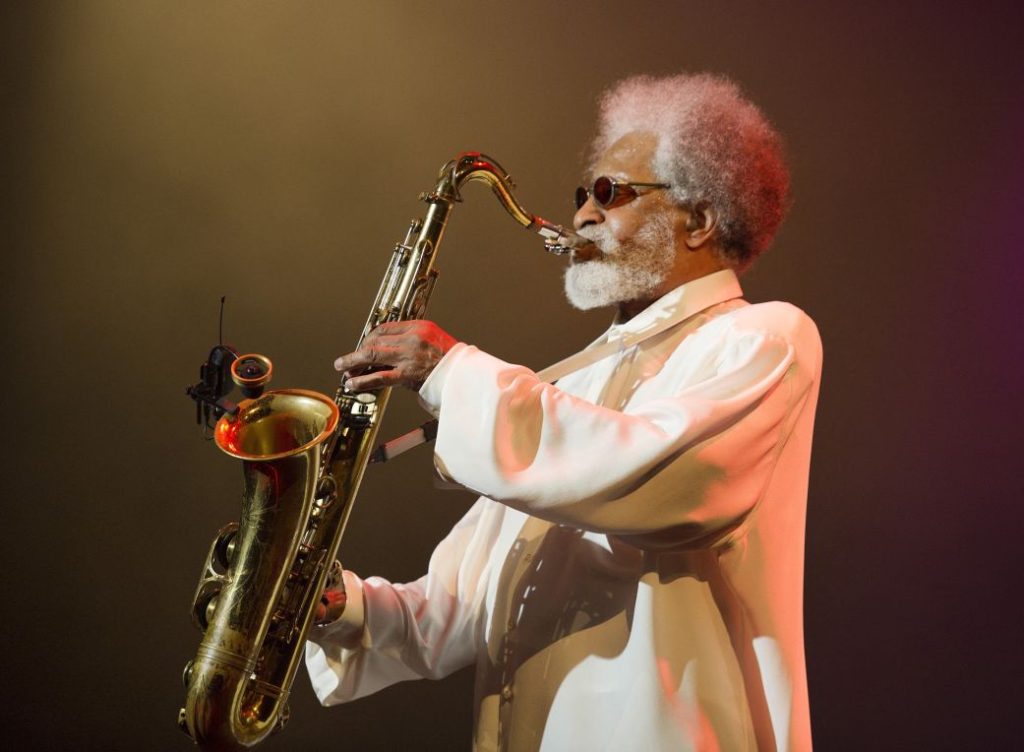
Sonny Rollins was an American jazz tenor saxophonist, composer, and bandleader who had a net worth of $3 million at the time of his death in 2026. Widely regarded as one of the greatest improvisers in jazz history, Rollins built a legendary career that stretched across seven decades, recording more than 60 albums as a leader and helping shape the sound of modern jazz.
Known for his powerful tone, fearless improvisation, and innovative approach to rhythm, Rollins became one of the defining figures of postwar jazz. He collaborated with giants such as Miles Davis, Thelonious Monk, and Dizzy Gillespie while composing enduring jazz standards including “St. Thomas,” “Oleo,” “Doxy,” “Airegin,” and “Pent-Up House.”
His landmark 1956 album Saxophone Colossus cemented his place among jazz immortals, while his fearless musical experimentation and periodic sabbaticals became part of his mythology. Often described as “the greatest living improviser,” Rollins remained an influential force in jazz until his retirement, leaving behind one of the richest legacies in American music.
Rollins died on May 25, 2026, at his home in Woodstock, New York, at the age of 95.
| Sonny Rollins Net Worth | $3 Million |
| Date of Birth | September 7, 1930 |
| Place of Birth | New York City |
| Nationality | American |
| Died | May 25, 2026 |
| Career | Saxophonist, Composer, and Bandleader |
Early Life
Sonny Rollins was born Walter Theodore Rollins on September 7, 1930, in New York City, to parents from the Virgin Islands. He grew up in Harlem and Sugar Hill, neighborhoods deeply tied to the rise of jazz and Black cultural life.
Music became part of his world at an early age. Rollins initially played piano before switching to alto saxophone and eventually settling on tenor saxophone in the mid-1940s, inspired by jazz legend Coleman Hawkins.
While attending Benjamin Franklin High School in East Harlem, Rollins played alongside future jazz stars including Jackie McLean, Kenny Drew, and Art Taylor.
After graduating in 1948, he began performing professionally and quickly developed a reputation as one of the most gifted young saxophonists in jazz.

Rise in Jazz
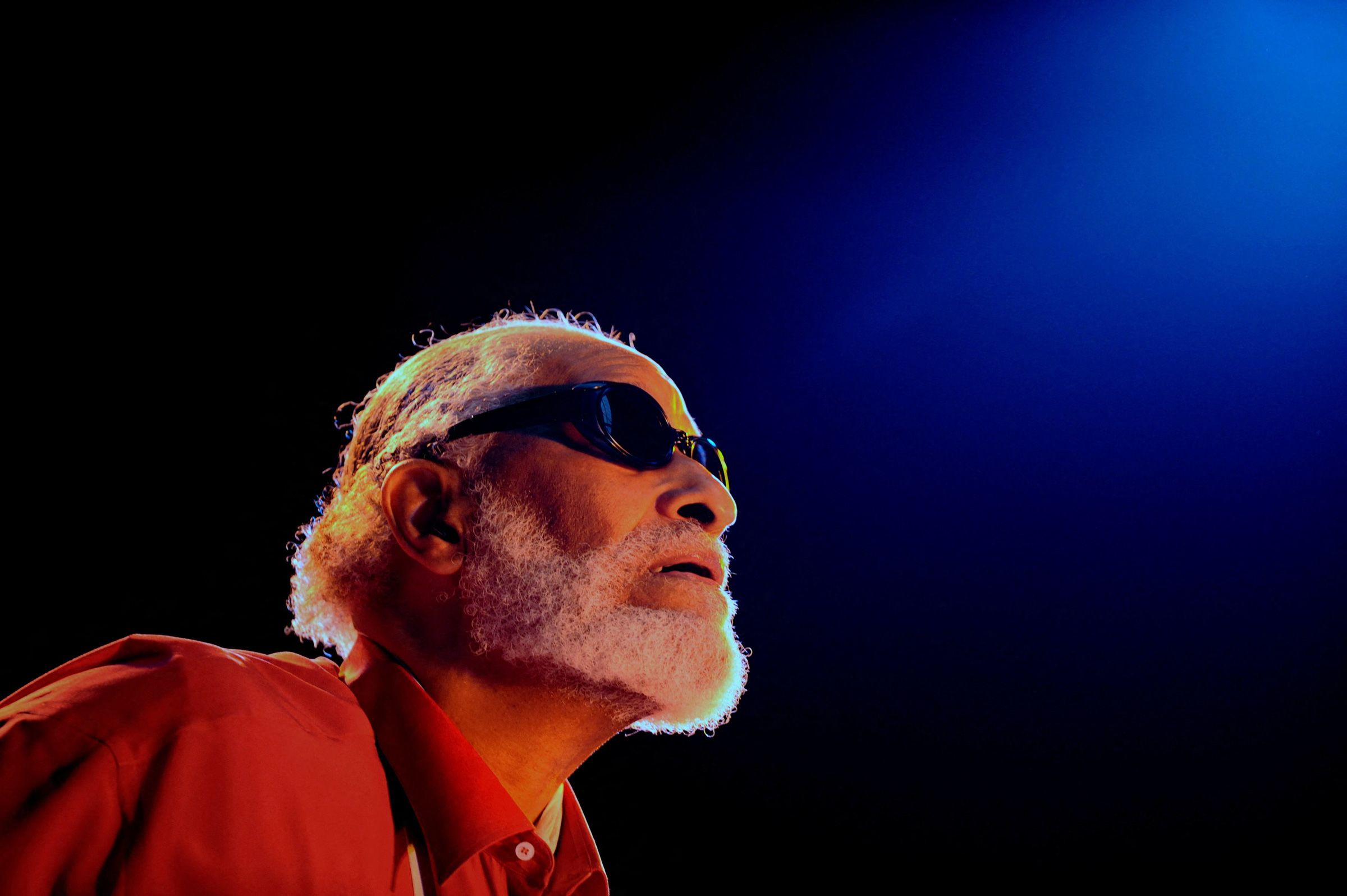
Rollins began gaining recognition in the late 1940s and early 1950s through collaborations with leading jazz musicians, recording with Miles Davis, Charlie Parker, and Thelonious Monk.
His breakthrough arrived in 1954 when he composed and recorded classics such as “Oleo,” “Doxy,” and “Airegin” while working with Miles Davis. These songs later became jazz standards and established Rollins as not only a remarkable performer but also an important composer.
In 1955, after struggling with heroin addiction, Rollins entered rehabilitation and successfully overcame his dependency. Rather than derailing his career, sobriety marked the beginning of his artistic peak.
His most celebrated work came in 1956 with the release of Saxophone Colossus, widely considered one of the greatest jazz albums ever recorded. The album featured “St. Thomas,” a calypso-inspired composition influenced by Caribbean music from his childhood, and showcased his extraordinary improvisational talent.
That same year, Rollins recorded Tenor Madness, famous for featuring the only recorded meeting between Rollins and fellow saxophone giant John Coltrane.
The “Bridge” Sabbatical
At the height of his fame, Rollins shocked the jazz world by stepping away from performing in 1959. Dissatisfied with his playing and determined to improve, he famously spent nearly three years practicing alone on New York City’s Williamsburg Bridge.
For hours each day, often practicing up to 15 hours at a time, Rollins honed his craft while avoiding disturbing neighbors in his apartment building.
He returned in 1962 with the aptly titled album The Bridge, widely regarded as one of the most successful comeback albums in jazz history.

Musical Innovation and Influence
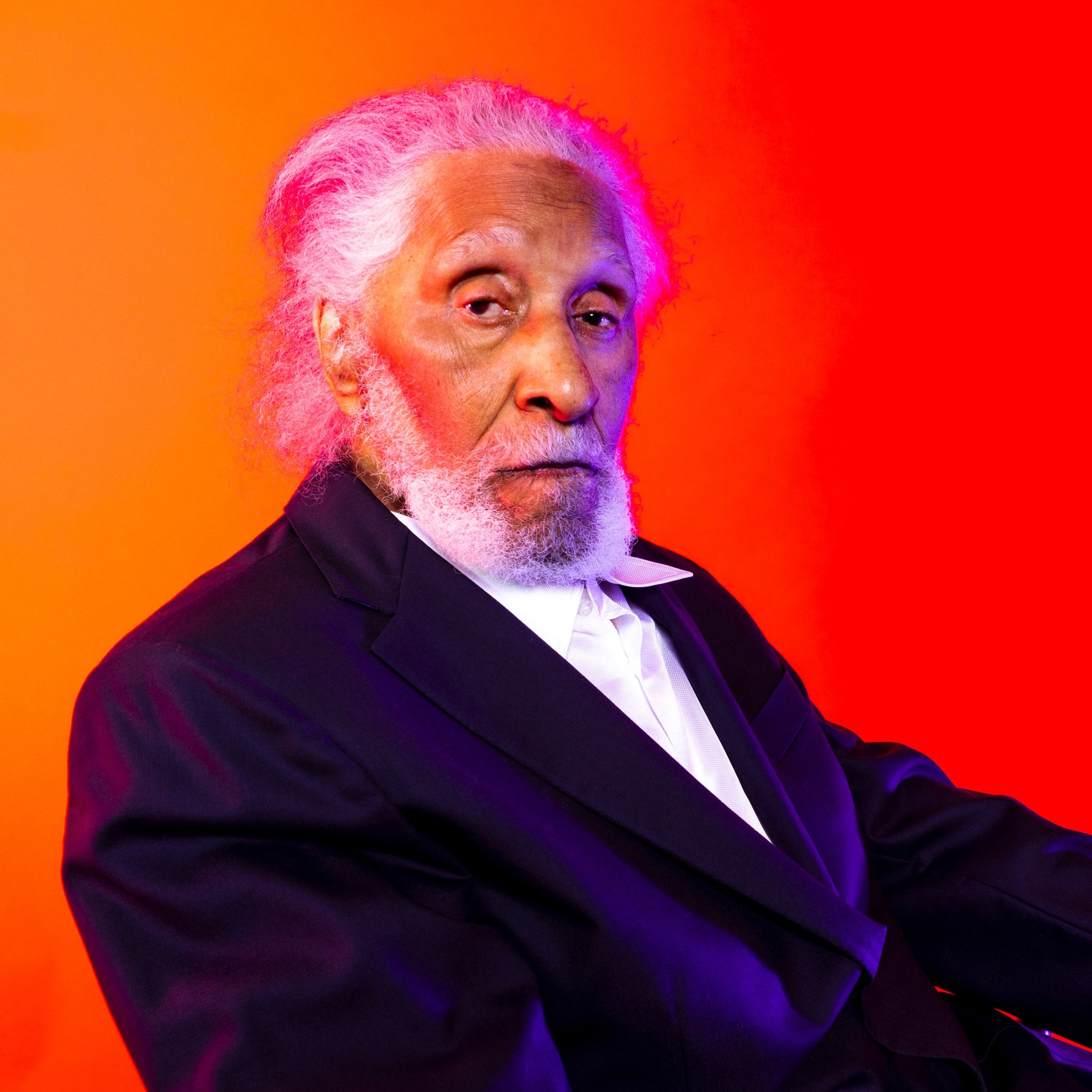
Throughout the 1960s and 1970s, Rollins continuously reinvented his sound. He experimented with avant-garde jazz, Latin rhythms, calypso influences, and stripped-down trio formats that eliminated piano accompaniment.
His signature use of Caribbean rhythms helped expand jazz’s possibilities, while his daring improvisational approach inspired generations of musicians.
Rollins later embraced funk and R&B influences in the 1970s and 1980s while continuing to tour internationally and headline major concert halls.
He also collaborated outside jazz, contributing saxophone performances to songs on The Rolling Stones’ 1981 album Tattoo You, including the hit “Waiting on a Friend.”
Awards and Honors
Over his career, Sonny Rollins earned widespread recognition for his contributions to music.
His achievements included:
- Induction into the DownBeat Jazz Hall of Fame in 1973
- A Grammy Lifetime Achievement Award in 2004
- The National Medal of Arts
- Election to the American Academy of Arts and Sciences in 2010
- Multiple honorary doctorates in music
In 2016, Saxophone Colossus was selected for preservation by the National Recording Registry at the Library of Congress.
Rollins was also the final surviving musician featured in the iconic 1958 jazz photograph A Great Day in Harlem.
Retirement
Due to recurring respiratory complications linked to pulmonary fibrosis, Rollins gradually stepped away from public performances after 2012 and officially retired in 2014.
In retirement, he lived in Woodstock, New York, where he continued preserving his legacy through archival projects, philanthropy, and educational initiatives. In 2017, he donated his personal archives to the Schomburg Center for Research in Black Culture in New York.
In 2023, Rollins sold his music catalog, and in 2024, The Notebooks of Sonny Rollins was published, offering fans insight into decades of personal reflections and musical thought.
Death
Sonny Rollins died on May 25, 2026, at his home in Woodstock, New York, at the age of 95.