

Why Choosing a Full-Service HVAC Company Matters for Home Comfort

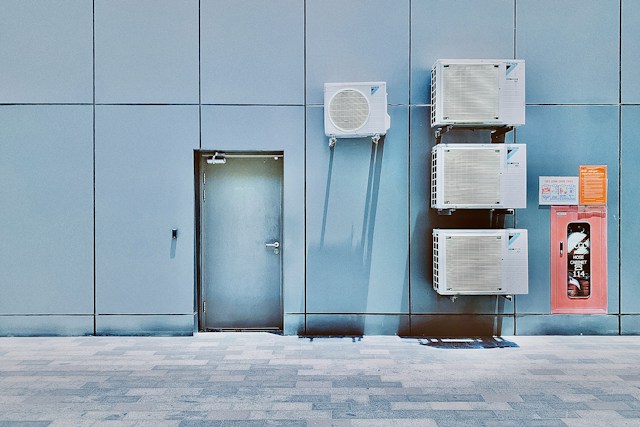
Choosing a Full-Service HVAC Company
Home comfort relies on more than a functioning furnace or air conditioner. Stable indoor temperatures also depend on clean airflow, controlled humidity, safe electrical connections, and timely repairs. A full-service heating and cooling provider can evaluate these factors as one connected system. That approach helps households limit disruptions, protect expensive equipment, and make sound decisions. Consistent professional care also promotes healthier indoor conditions, steadier energy use, and greater confidence during severe Missouri weather.
One Provider for Every HVAC Need
A household may require repair work, seasonal maintenance, duct sealing, air-quality testing, or replacement advice at different times. Using several contractors can create delays and conflicting recommendations. A dependable HVAC company in Eureka, MO can review the home’s entire comfort system, including heating equipment, cooling components, ventilation routes, controls, and filtration. This broader assessment helps connect noticeable symptoms with underlying causes, giving residents practical options instead of isolated fixes.
Complete Service Creates Better Results
A full-service provider manages installation, maintenance, repairs, and indoor air quality. Each appointment adds valuable information to the property’s service history. Technicians can then recognize recurring faults, aging components, and gradual performance changes. Homeowners receive clearer advice because recommendations reflect the complete arrangement rather than one disconnected part. Coordinated care may also prevent a minor defect from causing an expensive interruption.
Installation Requires More Than Equipment
A new furnace or air conditioner must suit the home’s square footage, insulation, duct design, and electrical capacity. Oversized equipment may cycle too frequently, while an undersized unit can struggle during severe weather. Qualified installers assess these conditions before suggesting a model. Correct placement, sealed connections, and balanced airflow help new equipment perform as intended. Proper setup can also protect warranty coverage and reduce premature wear.
Maintenance Protects Long-Term Performance
Routine maintenance allows technicians to clean components, test controls, inspect moving parts, and verify operating pressures. These tasks may reveal worn belts, restricted drains, or loose electrical connections before failure occurs. Regular service also keeps airflow closer to manufacturer specifications. Households benefit from fewer emergency visits, more predictable operation, and a longer service life for major heating and cooling equipment.
Indoor Air Quality Deserves Attention
Temperature alone does not determine comfort. Dust, excess moisture, stale air, and suspended particles can affect breathing comfort, odors, and surface cleanliness. A thorough HVAC assessment may include filters, humidifiers, dehumidifiers, purification devices, and duct sealing. Addressing these elements together can improve circulation while reducing strain on mechanical components. Follow product instructions and household conditions for filter changes.
Energy Use Reflects System Health
An unexpected increase in utility bills may indicate restricted airflow, dirty coils, inadequate insulation, or declining equipment performance. A qualified technician can compare operating readings with expected values and identify probable causes. Residents then receive practical choices, such as cleaning, duct improvements, control adjustments, or replacement. This method links energy decisions to measured conditions rather than guesswork or short-lived fixes.
Safety Must Remain Central
Heating equipment involves combustion, electrical power, hot surfaces, and exhaust pathways. Annual inspections can reveal damaged wiring, blocked vents, cracked heat exchangers, or unsafe connections. Carbon monoxide requires particular attention because the gas has no dependable odor. Professional service helps confirm safe operation and proper ventilation. Families should leave suspected hazards untouched and seek qualified assistance without delay.
Clear Communication Builds Confidence
Quality service includes understandable explanations, appointment details, pricing information, and written recommendations. Homeowners deserve to know which concerns require immediate action and which repairs can wait. Plain communication makes household budgeting easier and reduces uncertainty when several components show age. A trustworthy provider answers questions directly, explains technical findings clearly, and treats the property with care during each visit.
Emergency Support Reduces Disruption
Heating or cooling failures can become dangerous during freezing nights or periods of extreme heat. A full-service company offering emergency assistance can assess urgent problems and restore essential comfort sooner. Rapid access matters in homes with infants, older adults, pets, or medical needs. Existing service records may shorten diagnosis because technicians can review equipment age, repair history, and previous warning signs.
Planning Improves Household Value
A comprehensive provider can help residents plan repairs before equipment fails completely. Replacement discussions may cover efficiency ratings, operating costs, warranty terms, maintenance requirements, and expected service life. Early preparation gives households time to compare options and arrange financing, if necessary. That foresight reduces pressure during a breakdown and supports equipment choices based on actual comfort needs, property conditions, and budget.
Conclusion
Choosing a full-service HVAC company gives homeowners one reliable resource for repairs, installation, maintenance, airflow, and indoor air quality. Coordinated care supports safe operation, stable temperatures, cleaner circulation, and better energy control. Service records also clarify future decisions because every visit adds useful information. For Missouri households, dependable heating and cooling support comfort through every season while reducing preventable stress, equipment damage, and unexpected expense.

