

Why Do Baby Pacifiers Need Ventilation Holes?

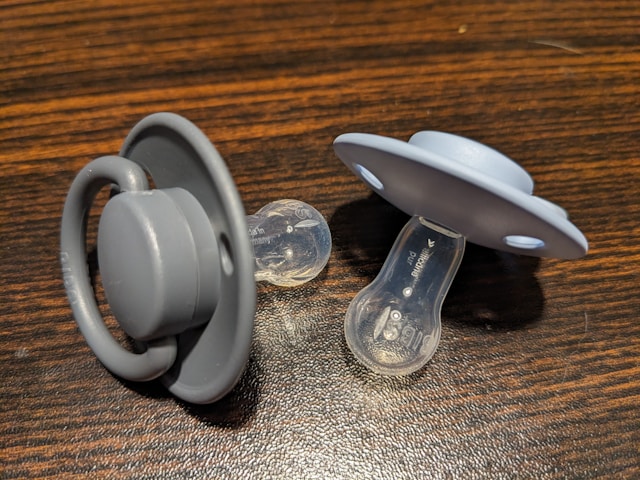
Why Do Baby Pacifiers Need Ventilation Holes?
Imagine a tiny baby sleeping peacefully with their beloved pacifier, unaware of the invisible engineering marvel working silently behind it. Those small holes scattered across the pacifier shield might seem like simple design elements to adults. Parents often dismiss these tiny openings as decorative features or assume they serve no real purpose. However, these seemingly insignificant perforations represent critical safety innovations that protect infants from serious breathing complications.
The ventilation holes in a baby pacifier serve multiple essential functions that directly impact the safety and comfort of infants. These strategically placed openings prevent dangerous suction buildup while allowing continuous airflow around the child’s mouth. Modern pacifier designs incorporate these features based on extensive research into infant breathing patterns and requirements. This blog will uncover the vital science behind pacifier ventilation and its impact on infant wellbeing.
Preventing Dangerous Suction Buildup
Pacifier shields without proper ventilation can create vacuum effects that interfere with standard breathing patterns in sleeping infants. When babies suck intensely on solid shields, they may inadvertently create suction that pulls the pacifier tightly. This vacuum effect can restrict airflow through the nose and mouth, potentially leading to breathing difficulties. Ventilation holes break this suction immediately, ensuring air pressure remains equalized around the infant’s airways.
Maintaining Continuous Airflow Access
Ventilation holes ensure babies can breathe normally even when the pacifier shield covers portions of their face. These openings allow fresh air to consistently reach the infant’s nose and mouth. During sleep, these air channels become particularly important when breathing becomes shallower and more regular. The holes prevent carbon dioxide buildup that could occur in enclosed spaces around the mouth area. Strategic hole placement maximizes airflow while maintaining the pacifier’s structural integrity and comfort.
Reducing Skin Irritation Risks
Extended pacifier use can cause moisture buildup under the shield, irritating skin and rashes. Ventilation holes allow air circulation that helps evaporate accumulated moisture before it causes skin problems. This airflow prevents the warm, humid conditions that promote bacterial growth and breakdown in sensitive areas. Parents notice fewer instances of pacifier-related skin issues when using properly ventilated designs. The benefits of moisture management extend beyond simple comfort to prevent more serious skin conditions.
Emergency Safety Considerations
Ventilation holes provide breathing access in rare situations where a pacifier might become lodged against an infant’s face. These openings serve as backup airways that could save lives during unusual circumstances or accidents. While modern pacifier designs make such situations highly unlikely, the ventilation system adds protection. Safety regulations often require these features specifically for emergency preparedness purposes. The emergency function of ventilation holes represents engineering foresight that anticipates worst-case scenarios during infant care.
Design Standards and Safety Requirements
Modern pacifier manufacturing follows strict safety standards that mandate specific ventilation requirements for infant protection. These regulations specify minimum hole sizes, placement patterns, and total ventilation area needed for safe operation. Manufacturers must demonstrate that their designs meet or exceed these safety thresholds through rigorous testing protocols. Compliance with ventilation standards ensures that products provide adequate protection for developing infants. International safety organizations continuously update ventilation requirements based on new research and incident reports worldwide.
Choosing Properly Ventilated Options
Parents should inspect pacifier ventilation systems before purchasing to ensure adequate hole size and placement. Different pacifier styles may incorporate various ventilation approaches while maintaining equivalent safety levels:
- Perforated shields with uniform hole patterns
- Curved designs that create natural air gaps
- Lightweight materials that prevent vacuum formation
- Textured surfaces that promote air circulation
These design variations offer options for various infant preferences while consistently maintaining essential safety features.
Ventilation holes in a baby pacifier are designed to protect infants from breathing complications and irritation. These engineered features prevent dangerous suction buildup while maintaining continuous airflow access during use. Parents should prioritize properly ventilated designs when selecting pacifiers for their children’s safety and comfort. Understanding these safety mechanisms helps families make informed decisions about essential baby care products.

