

Why Emergency Plumbing Services Save Homeowners From Major Damage

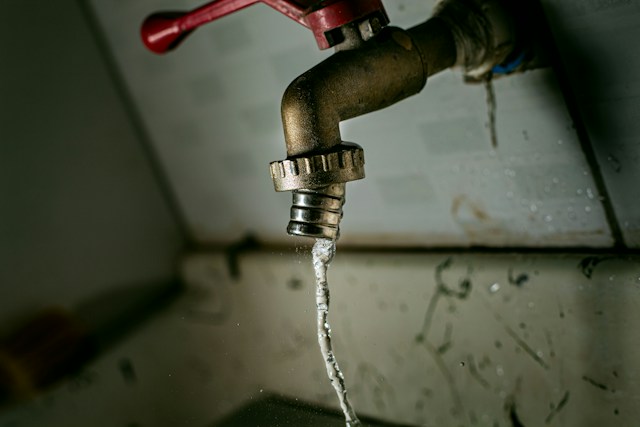
Emergency Plumbing Services Save Homeowners
Plumbing emergencies rarely follow a convenient schedule. A ruptured supply line, blocked drain, or failed heater can release substantial moisture within minutes. Saturated flooring, drywall, cabinetry, and electrical components may then require extensive restoration. Prompt professional attention controls the source, identifies hidden damage, and protects household safety. Quick service also limits mold formation, reduces disruption, and helps property owners avoid repair costs that increase with every delayed hour.
Fast Action Limits Water Loss
A ruptured pipe or overflowing fixture can saturate porous materials before residents locate the shutoff valve. Homeowners seeking emergency plumbing in Las Vegas need qualified assistance that responds to active leaks, sewage discharge, and severe blockages. A timely visit can identify the failed component, stop incoming flow, and remove standing moisture. Early intervention protects flooring, wall cavities, cabinetry, furniture, and appliances while reducing conditions that support mold growth.
Small Leaks Create Large Bills
A minor drip can signal corrosion, excessive pressure, or a failing connection. Continuous moisture stains ceilings, swells wooden cabinets, loosens flooring, and weakens drywall. Hidden dampness also supports fungal growth inside enclosed cavities. Experienced technicians inspect joints, valves, fixtures, and supply lines before recommending repairs. Fixing the source early prevents cosmetic damage from becoming structural deterioration or an expensive restoration project.
Burst Pipes Spread Quickly
A burst line can discharge hundreds of gallons before a resident reaches the main shutoff. Pressurized plumbing continues feeding the break until that supply is isolated. Emergency specialists locate the affected section, close appropriate valves, and replace damaged pipework. They also examine nearby surfaces for saturation. Immediate control limits moisture migration beneath floors, behind walls, and into insulation.
Sewage Creates Health Risks
Sewage backups demand urgent care because contaminated fluid may contain bacteria, viruses, parasites, and irritating gases. Exposure can occur through skin contact, accidental ingestion, or inhalation of polluted air. Professional crews isolate affected rooms, locate the obstruction, and restore drainage. They can also identify materials requiring disposal or disinfection. Delayed treatment permits contamination to spread across porous flooring and household belongings.
Overflowing Fixtures Need Control
An overflowing toilet, basin, or bathtub can damage finished floors quickly. Causes include blocked traps, defective fill valves, failed float mechanisms, and deeper drain obstructions. Emergency specialists stop the discharge while investigating its origin. Their assessment distinguishes a local fixture problem from a main-line failure. Proper handling also reduces contact with contaminated liquid and prevents repeated overflow after temporary plunging.
Hidden Leaks Raise Repair Costs
Leaks behind walls, beneath slabs, or below landscaped areas often remain unnoticed until damage becomes visible. Warning signs include unexplained meter movement, musty odors, bubbling paint, warm flooring, and reduced pressure. Technicians use pressure testing, acoustic tools, thermal imaging, or targeted inspection to locate concealed failures. Accurate detection reduces unnecessary demolition, protects finished surfaces, and clarifies the scope of required work.
Professional Diagnosis Saves Time
Repeatedly treating a symptom can waste money while the underlying defect continues. A qualified technician evaluates pressure levels, pipe condition, drainage speed, fixture performance, and connected components. That review helps distinguish a blocked branch from a damaged main line. It also determines whether repair, replacement, descaling, or specialized cleaning will deliver the best result. Clear findings allow residents to approve work with realistic expectations.
Prepared Crews Reduce Delays
Well-equipped emergency teams often carry replacement valves, connectors, seals, pipe sections, drain machines, and protective materials. Having those supplies on hand can eliminate extra trips for common failures. A prepared crew may complete essential repairs during the initial visit, restoring basic household function sooner. Proper equipment also supports safer work around contaminated discharge, pressurized lines, gas-fired heaters, and confined service areas.
Clear Communication Supports Decisions
Unexpected plumbing damage can create financial strain, especially during evenings, weekends, or holidays. Residents need a plain explanation of the failure, immediate risks, repair choices, estimated duration, and expected charges. Written estimates provide a useful record before work begins. Progress updates keep occupants informed as conditions change. Respectful communication supports sound decisions without minimizing hazards or pressuring anyone into unnecessary services.
Prevention Lowers Future Risk
Emergency repairs address immediate failures, while regular maintenance reduces repeat incidents. Property owners can inspect exposed lines, test shutoff valves, monitor pressure, clean drains, and arrange heater inspections. Seasonal checks may reveal corrosion, mineral deposits, loose fittings, deteriorated seals, or aging connections. Replacing vulnerable components before rupture usually costs less than repairing soaked interiors, damaged possessions, and contaminated finishes.
Conclusion
Emergency plumbing services protect far more than pipes and fixtures. Rapid intervention limits moisture, contaminated discharge, and pressure-related damage before those hazards affect additional rooms. Accurate diagnosis prevents recurring failures, while skilled repairs preserve floors, walls, belongings, and household hygiene. Clear guidance also helps residents make informed choices during stressful events. Prompt professional support can reduce expenses, shorten disruption, and return a damaged home to safe operation sooner.

