

Why Govt Plans To Toll New And Upgraded Roads

Newly built or significantly upgraded roads—including those with extra lanes, better safety features, and improved driving conditions—will soon be tolled under a proposed National Tolling Policy.
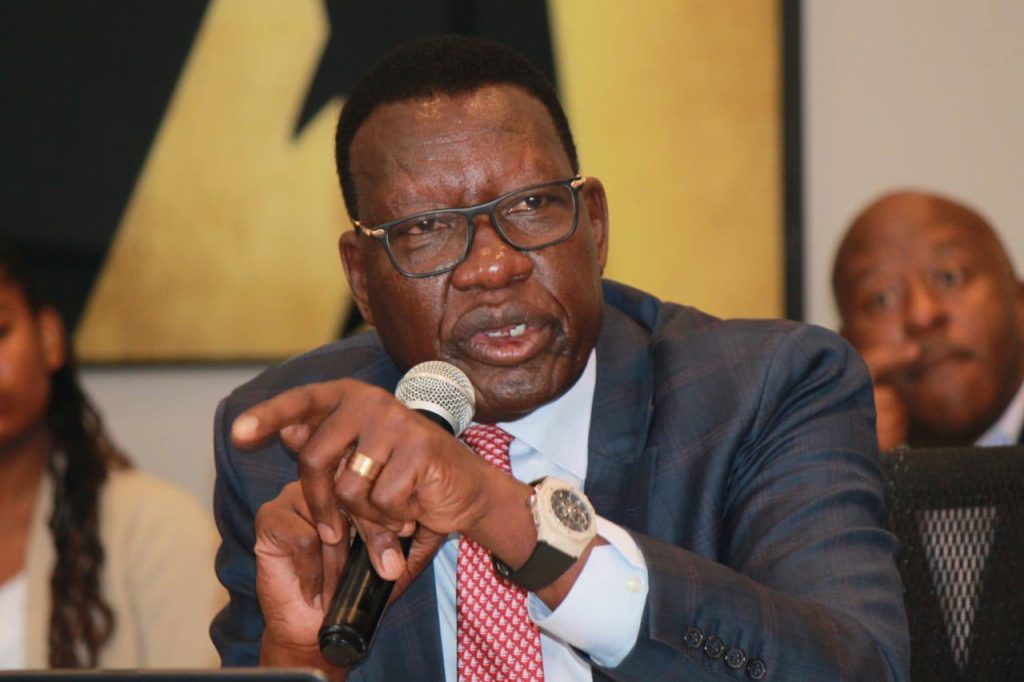
The Departmental Committee on Transport and Infrastructure, chaired by Ndia MP George Kariuki, met Roads and Transport Cabinet Secretary Davis Chirchir on Friday, August 8, 2025, to discuss the plan.
CS Chirchir said the policy is based on the “User Pay Charges” principle, where those who use the roads contribute to their maintenance and development. The government plans to use modern tolling technology and highway management systems to ensure efficiency and transparency.
The policy has five main goals: guiding road project selection and funding, securing a steady income for maintenance, attracting private sector investment through Public-Private Partnerships (PPPs), promoting good governance in toll operations, and reducing congestion and emissions for environmental sustainability.
Toll collections will help finance major projects like the Rironi–Nakuru–Mau Summit Highway and the Nairobi–Mombasa Expressway, both of which will be built and operated by private investors in exchange for toll revenue. Currently, the Nairobi Expressway is the only operational tolled road in Kenya.
Roads with heavy traffic—at least 5,000 vehicles per day—will be prioritized for tolling. Public consultations across the country showed general support for the idea but also raised concerns about fairness, transparency, and inclusivity.
Citizens called for open management of toll income, including strict oversight of collections, operator selection, and spending. Many also recommended exemptions for people with disabilities, school buses, and medical vehicles.
Stakeholders urged for a shorter policy review cycle—every five years instead of the proposed ten—and for a clear revenue-sharing formula between national and county governments. They also pushed for public involvement in setting toll rates, with suggestions like toll-free days, discounts for frequent users, and subsidies for certain groups.
The committee stressed the need for alternative toll-free routes so that road users have a choice. However, they noted that in some areas, such routes do not exist. They also warned that PPP contracts must be transparent to prevent unfair toll prices or poor maintenance standards.
The committee has asked the Ministry to integrate public feedback into the final policy, focusing on affordability, equity, access, and transparency to ensure the tolling system benefits all Kenyans.