

Why It May Be Difficult for Kenya to Walk Away from Proposed US Ebola Facility

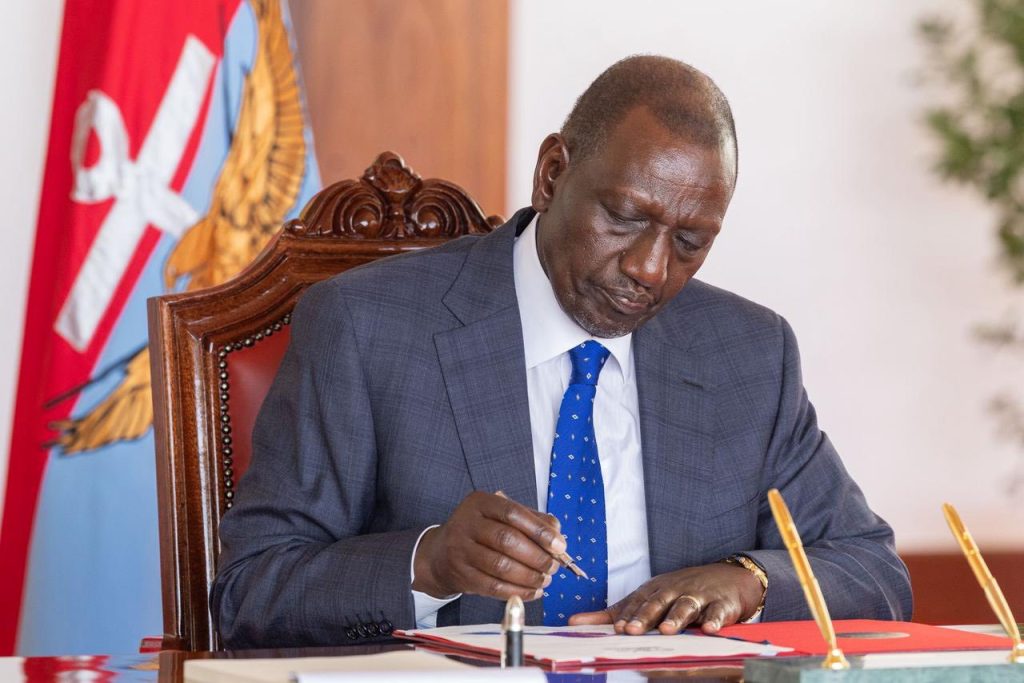
As controversy grows over reports that Kenya could host a 50-bed Ebola quarantine and treatment facility for American citizens at Laikipia Airbase, newly surfaced government documents suggest the proposal may be rooted in a long-standing bilateral agreement between Kenya and the United States on biological threat reduction and disease preparedness.
The issue has triggered public anxiety, opposition from local leaders, criticism from doctors, and an ongoing court case that has temporarily halted any plans to operationalise the facility.
Health Cabinet Secretary Aden Duale on Saturday, May 30, 2026 acknowledged a broad partnership with the United States aimed at strengthening Kenya’s Ebola preparedness and response capabilities.
“The partnership further supports enhanced surveillance, diagnostic capacity, emergency preparedness exercises, critical medical supplies, and rapid response capabilities,” Duale said.
He added that the investments would strengthen Kenya’s healthcare infrastructure beyond the current Ebola threat.
“These investments will strengthen Kenya’s health security by improving laboratory capacity, healthcare infrastructure, disease surveillance, emergency response systems, supply chains, and workforce readiness beyond the current Ebola threat,” he said.
Agreement Signed in Nairobi
Documents reviewed by Kahawa Tungu show that Kenya and the United States signed an Agreement Concerning Cooperation in Threat Reduction Biological Engagement Programs in Nairobi on July 24, 2015. The agreement was signed by then US Ambassador to Kenya Robert Godec and then Health Cabinet Secretary James Macharia. It entered into force on April 6, 2017.
The agreement established a framework for cooperation on biological threats, disease surveillance, outbreak detection, laboratory systems, biosafety, biosecurity, and emergency response capabilities.
According to the agreement, the purpose of the partnership is to address “naturally occurring diseases, biological attacks, or unintentional release of biological pathogens and toxins” and improve mechanisms for disease detection, monitoring, reporting, and response.
The document also provides for cooperation in disease surveillance systems, laboratory strengthening, outbreak investigations, biosafety programs, emergency preparedness, training, and research.
Renewed in 2022
Perhaps more significantly, the agreement was renewed on April 5, 2022, at Afya House in Nairobi for an additional seven years through April 5, 2029. The renewal was signed by US Chargé d’Affaires Eric Kneedler and then Health Cabinet Secretary Mutahi Kagwe.
“The Umbrella Agreement shall be renewed for a period of seven years, through April 5, 2029,” the renewal document states.
The existence of the renewed agreement means Kenya remains bound by a formal framework for cooperation on biological threat reduction unless either side initiates termination procedures.
Under the agreement, either party can withdraw only after providing six months’ written notice to the other side. Ongoing activities may continue even after termination until completion.
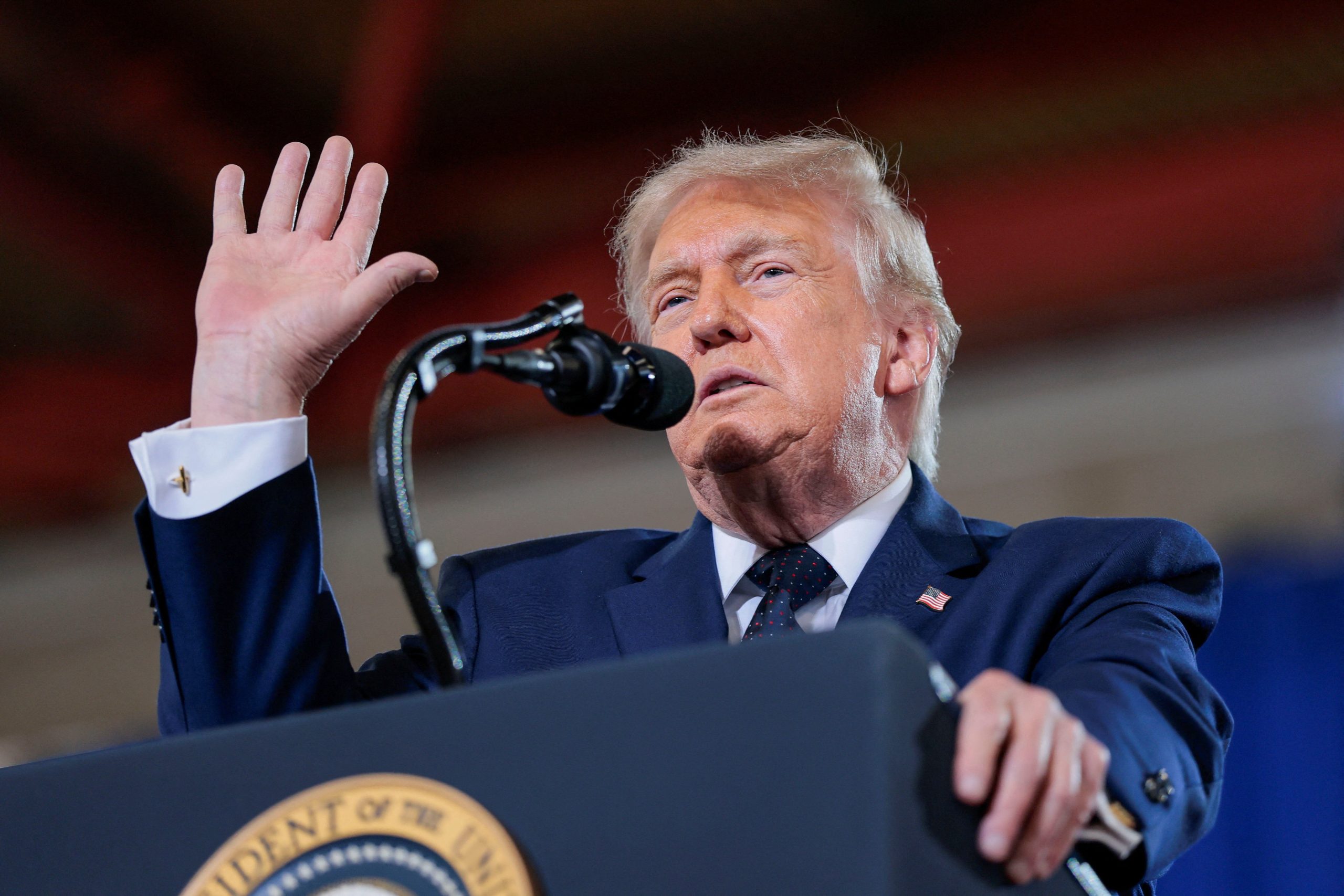

Why Kenya May Face Challenges Pulling Out
Analysts say the agreement does not explicitly mention an Ebola quarantine facility for foreign nationals. However, it creates a broad legal framework that allows both governments to negotiate and implement projects related to disease surveillance, outbreak response, laboratory systems, biosafety, emergency preparedness, and biological threat reduction.
The agreement further allows the parties and their designated agencies to conclude additional implementing arrangements and project agreements under the broader framework.
This means any proposed Ebola preparedness project could potentially be linked to existing cooperation mechanisms already agreed upon by both governments.
The Ministry of Health, working with the Ministries of Defence and Interior, is designated as Kenya’s executive agent under the agreement, while the US Department of Defense serves as the American executive agent.
The debate intensified after reports emerged that a quarantine and treatment facility for Americans potentially exposed to Ebola in Uganda and the Democratic Republic of Congo would be established at Laikipia Airbase.
The reports sparked outrage among sections of the public and healthcare stakeholders.
The High Court has since issued conservatory orders stopping the establishment, operationalisation, approval, or facilitation of any Ebola-related quarantine, isolation, or treatment centre linked to agreements with the United States or any other foreign government until the matter is fully heard.
The court also barred the admission of Ebola-exposed or infected individuals into Kenya under the reported arrangement.
The case was filed by Katiba Institute, which argued that the proposal posed significant public health risks and required greater transparency.
The Kenya Medical Practitioners, Pharmacists and Dentists Union (KMPDU) has emerged as one of the strongest critics of the reported plan.
The union accused the government of conducting “backdoor negotiations” and demanded that all agreements related to the proposed facility be made public.
“If it is too dangerous for America, it is too dangerous for Kenya,” KMPDU said.
KMPDU Secretary General Dr. Davji Atellah warned that the union would oppose any attempt to turn Kenya into what he described as a “containment colony” for Ebola patients.
The union also questioned reports that the facility could be operated by American personnel instead of Kenyan healthcare workers.
Despite the controversy, President William Ruto has defended international collaboration in responding to public health emergencies.
“We agreed on the importance of cooperation and avoiding isolationism, recognising that public health threats do not respect borders and require coordinated regional and global action,” the President said during a meeting with diplomats in Nairobi.
“Kenya will continue to act transparently, responsibly, and decisively to protect lives while contributing to regional and global health security,” he added.
Meanwhile, US Secretary of State Marco Rubio recently pledged $13.5 million (approximately Sh1.7 billion) to support Kenya’s Ebola preparedness efforts as part of a broader regional response package.

