

Why Modern Drivers Are Investing More in At-Home Car Care in 2026

Why Modern Drivers Are Investing More in At-Home Car Care in 2026
Vehicle ownership has always come with responsibilities, but in 2026 a new pattern is emerging: more drivers are choosing to handle aspects of their car care themselves. Many begin this shift with simple upgrades, like browsing car polishing pads for sale, and quickly discover how approachable and rewarding at-home maintenance can be. What was once considered a task for professionals has evolved into a practical, cost-effective, and satisfying part of modern vehicle ownership. This change reflects broader cultural movements toward self-sufficiency, personalization, and long-term care for the things people rely on daily.
Drivers aren’t investing more time at home because they want to take on extra work. They are doing it because it gives them control, saves them money, increases their understanding of their vehicles, and enhances the pride they feel in maintaining something they depend on every day. At-home car care has shifted from a niche hobby to an accessible, mainstream approach to vehicle maintenance.
The Financial Benefits of DIY Maintenance
One of the biggest motivators behind the rise of at-home car care is financial practicality. Professional detailing, polishing, and cosmetic maintenance can be costly when done regularly. While many drivers still rely on experts for complex repairs, routine upkeep is now recognized as something they can perform themselves with the right tools.
The math is simple: recurring detailing appointments add up quickly, especially for drivers who care about keeping their vehicles in top condition. In contrast, investing in high-quality products and equipment allows for repeated use and long-term savings. Drivers appreciate seeing their efforts translate into visible results, and they value the freedom to refresh their car’s appearance whenever it fits their budget and schedule.
People aren’t cutting corners; they’re cutting unnecessary expenses. With accessible education, better tools, and clearer guidance, at-home maintenance feels not just possible but logical.
The Desire for Greater Control and Understanding
Modern drivers want more involvement in how their vehicles are treated. Instead of handing over their cars and hoping for good results, they take pride in learning how to properly clean, polish, and maintain their vehicles. This hands-on approach gives them deeper awareness of the condition of their paintwork, wheels, interior surfaces, and overall performance.
Understanding the vehicle at this level builds confidence. Drivers feel more connected to their car and more capable of recognizing early signs of wear or damage. This can lead to faster intervention, smaller repair bills, and better long-term preservation. The process of caring for the vehicle becomes a partnership rather than a transaction.
There is also a psychological benefit to this involvement. Caring for something essential to daily life creates satisfaction and ownership that goes beyond simple maintenance. The vehicle becomes a reflection of care, attention, and personal pride.
Technological Improvements Making At-Home Care Easier
The rise of at-home automotive care is also driven by major improvements in product technology. Modern polishes, pads, cleaners, coatings, and applicators are designed to be more intuitive, user-friendly, and effective than ever before. Drivers no longer need advanced experience to achieve results that once required professional skill.
Products are formulated to minimize risk and maximize performance. Tools are shaped for comfort and ergonomics. Step-by-step instructions and video guides demystify the entire process. As a result, the barrier to entry is lower than it has ever been.
This evolution has been supported by increased consumer education. Organizations such as the National Institute for Automotive Service Excellence emphasize the value of preventive care in maintaining the integrity and longevity of a vehicle’s exterior. With more knowledge available, drivers feel confident trying tasks that previously felt out of reach.
Cars as Personal Expressions of Identity
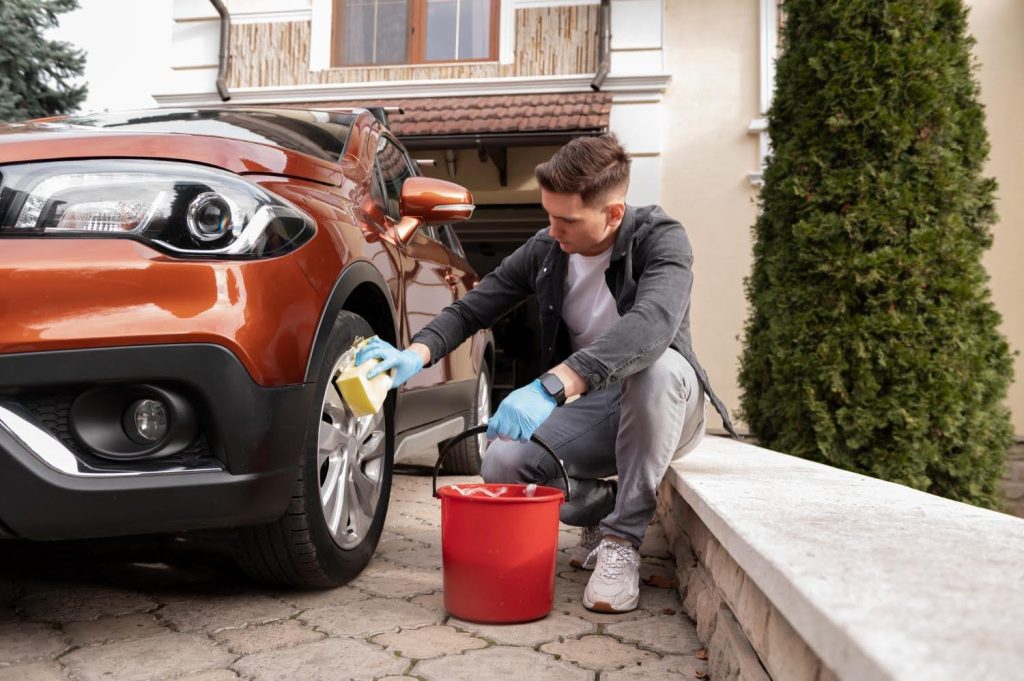
Image from Freepik
Today’s drivers see their vehicles not only as transportation but as expressions of lifestyle, taste, and identity. A clean, polished, and well-maintained car communicates care and intention. At-home detailing fits into this mindset because it allows people to craft the exact appearance they want.
Drivers can choose the level of gloss they prefer, preserve their paint in ways that match their environment, and maintain a standard of cleanliness that aligns with their values. The ability to refresh the vehicle’s look on their own terms encourages routine upkeep, turning maintenance into a creative expression rather than a chore.
This personal connection strengthens the appeal of at-home care. It transforms car maintenance into a satisfying ritual, something drivers look forward to rather than avoid.
The Role of Lifestyle Shifts
As hybrid work, flexible schedules, and time-at-home trends continue, people have more opportunities to engage in hands-on tasks they once outsourced. Many drivers now enjoy having the time to learn new skills, perform satisfying work, and integrate practical habits into their weekly routines.
At-home car care fits naturally into this slower, more intentional rhythm. It provides time outdoors, a break from screens, and a physical task with tangible results. For some, it becomes a quiet weekend routine; for others, it’s an energizing break from daily responsibilities.
The routine becomes more than maintenance, it becomes a grounding practice.
Long-Term Benefits of Proactive Care
Drivers choosing to maintain their vehicles at home are also thinking long-term. Regular polishing, cleaning, and protective treatments dramatically slow the aging process of a car’s paint and interior surfaces. This improves resale value, reduces repair needs, and keeps the vehicle looking newer for longer.
Proactive care prevents oxidation, fading, etching, and scratching, issues that become increasingly expensive to correct if neglected. At-home upkeep empowers drivers to address these concerns before they become serious.
What emerges is a philosophy of stewardship. Modern drivers understand that consistent attention today leads to greater savings, fewer problems, and a more satisfying ownership experience in the future.
The Future of At-Home Car Care
The shift toward at-home car care shows no signs of slowing. As tools become more advanced, information becomes more widespread, and products become more efficient, drivers will continue embracing the freedom and satisfaction of maintaining their vehicles themselves.
In 2026, this trend reflects broader cultural values: self-reliance, intentionality, personalization, and smart financial decisions. It is no longer unusual to see drivers take pride in the shine of their car, knowing it came from their own hands.
At-home car care isn’t just a habit, it’s a lifestyle. And for modern drivers, that lifestyle promises cleaner vehicles, deeper understanding, and a stronger connection to the machines they rely on every day.

