

Winston Churchill Siblings: All About John Strange Spencer-Churchill

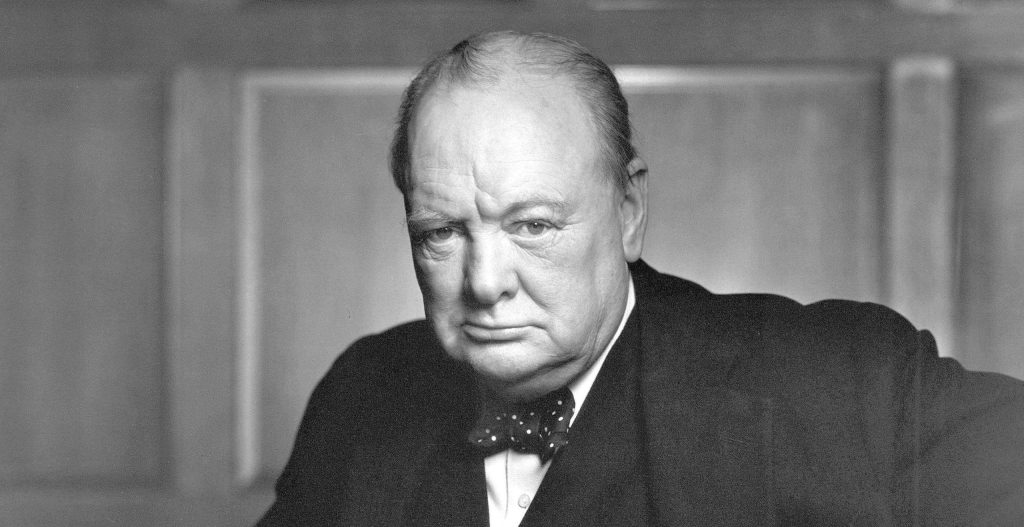
Winston Churchill PHOTO/The Press
Sir Winston Leonard Spencer Churchill was a British statesman, soldier, writer, and orator born on 30 November 1874 at Blenheim Palace in Oxfordshire, England.
He was the son of Lord Randolph Churchill, a prominent Conservative politician and the younger son of the 7th Duke of Marlborough, and Jennie Jerome, an American socialite.
Churchill served as Prime Minister of the United Kingdom from 1940 to 1945 during the Second World War and again from 1951 to 1955.
He is widely remembered for his leadership in rallying Britain against Nazi Germany, his powerful speeches, and his role in shaping Allied strategy.
Siblings
Winston had one sibling, a younger brother named John Strange Spencer-Churchill, known throughout his life as Jack.
Jack was born on 4 February 1880 in Dublin while their grandfather served as Viceroy of Ireland.
The two brothers shared a close and affectionate relationship that lasted throughout their lives despite the vast differences in their public profiles.
Jack pursued a quieter path as a stockbroker and military officer, serving in the South African Light Horse during the Boer War and later on the Western Front and at Gallipoli in the First World War.
He married Lady Gwendoline Bertie and they had three children.
Also Read: Harold Macmillan Siblings: All About Daniel and Arthur Macmillan

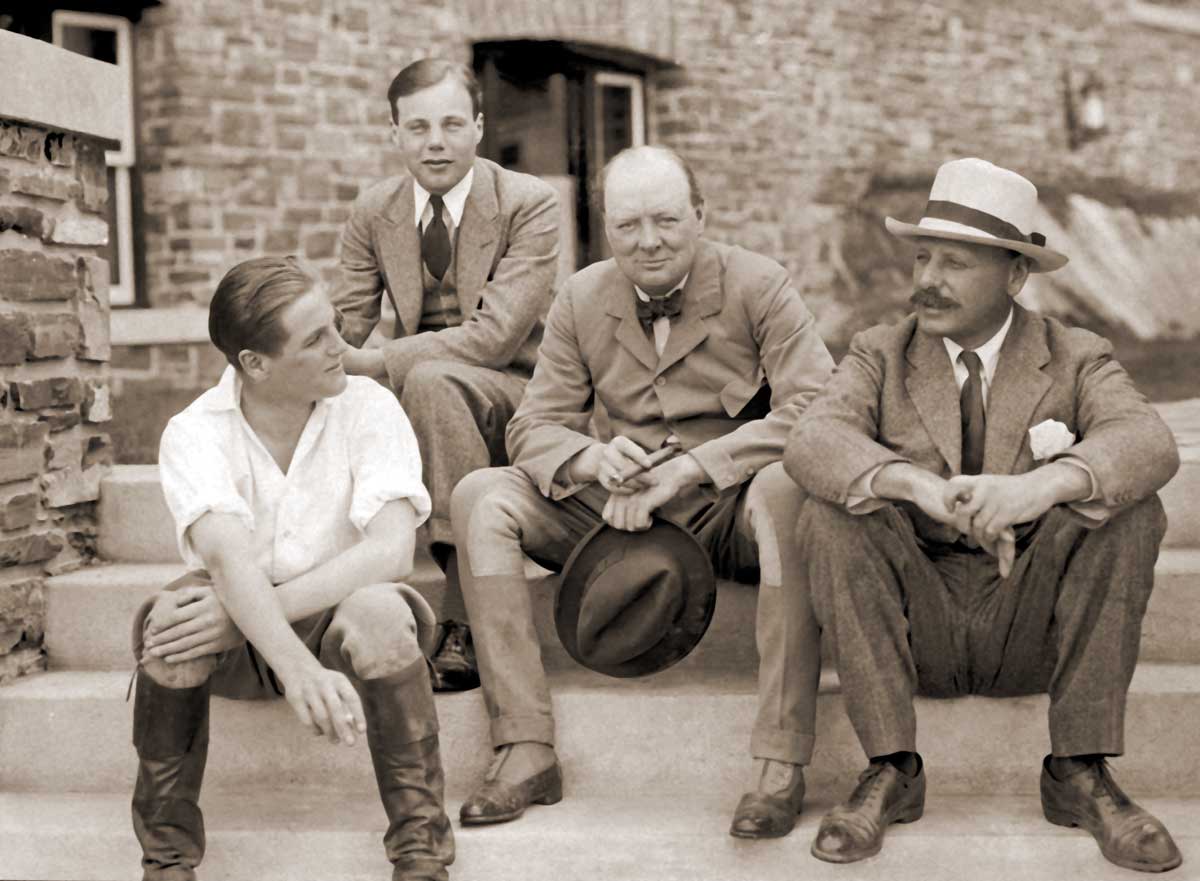
Jack remained a steadfast supporter of his more famous brother and died in 1947.
Winston and Jack were the only two children of Lord Randolph and Lady Randolph Churchill.
Career
Churchill’s career began in the army after he graduated from the Royal Military Academy at Sandhurst.
He saw action in India, the Sudan, and the Second Boer War, where he gained early fame both as a soldier and as a war correspondent whose dispatches and books brought him public attention and income.
He entered Parliament in 1900 as a Conservative, later crossed the floor to the Liberals, and held a succession of senior posts including President of the Board of Trade, Home Secretary, First Lord of the Admiralty, and Chancellor of the Exchequer.
After a period in the political wilderness in the 1930s during which he warned repeatedly about the rising threat of Nazi Germany, he returned to government as First Lord of the Admiralty at the outbreak of the Second World War.
In May 1940 he became Prime Minister and led Britain through its darkest hours, forming a wartime coalition and working closely with the United States and the Soviet Union.
After electoral defeat in 1945 he returned to power in 1951 and served until his resignation in 1955.
Throughout his life he remained an active writer, producing multi-volume histories of the First and Second World Wars as well as biographies and memoirs.
Accolades
Churchill received numerous honours in recognition of his public service and literary achievement. In 1953 Queen Elizabeth II invested him as a Knight of the Garter, after which he was known as Sir Winston Churchill.
The same year he was awarded the Nobel Prize in Literature for his mastery of historical and biographical description and for his brilliant oratory in defence of exalted human values.
He was granted honorary citizenship of the United States by President John F. Kennedy in 1963, an exceptional distinction.
Among other distinctions he held the Order of Merit and membership of the Privy Council.
His state funeral in 1965 was one of the largest ever held in Britain and reflected the deep respect in which he was held both at home and abroad.

