


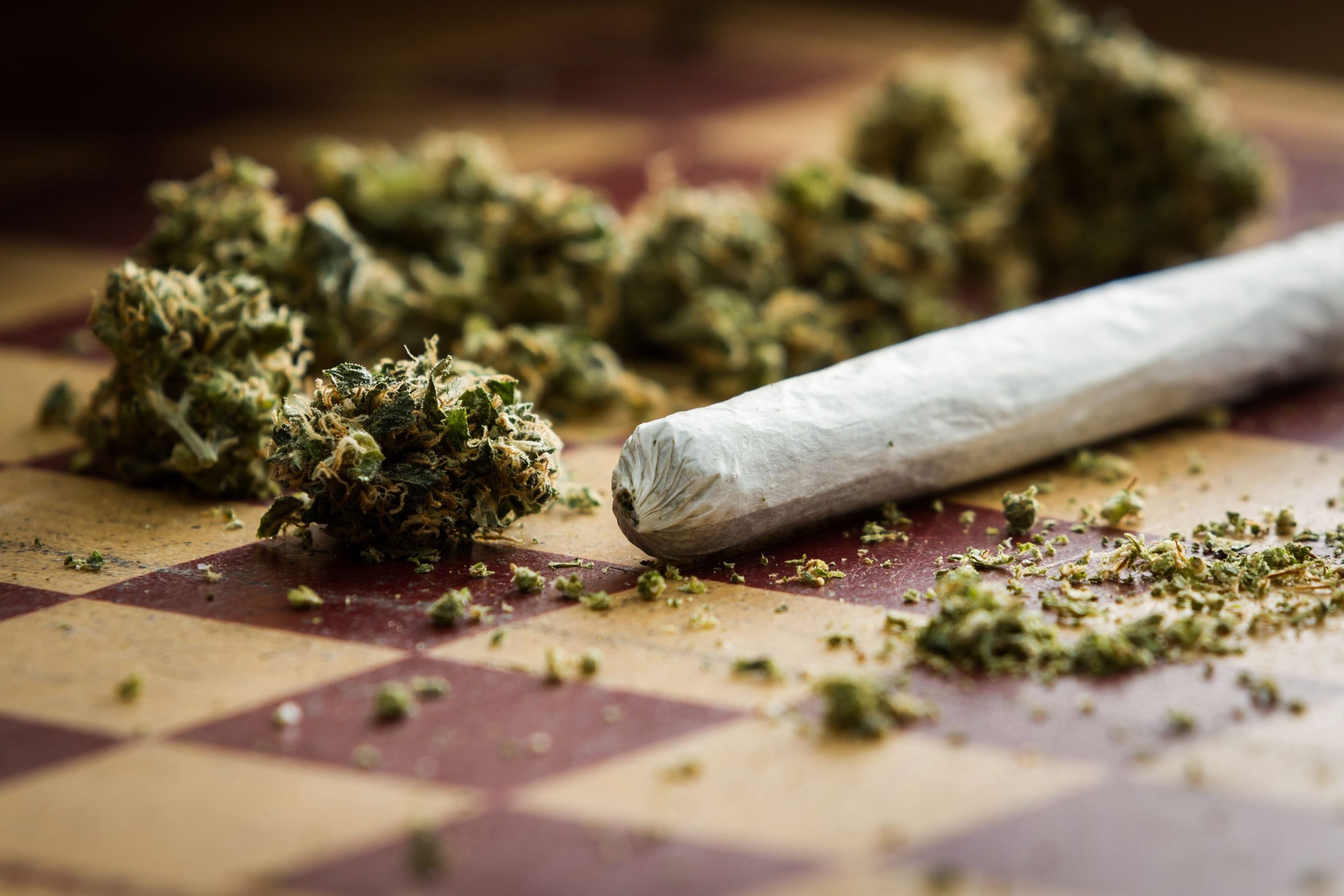
A new report by the National Authority for the Campaign Against Alcohol and Drug Abuse (NACADA) has revealed a concerning trend in drug use among university students in Kenya.
According to the report, titled Status of Drugs and Substance Use Among University Students in Kenya, one in every 10 female university students (9.6%) and one in every nine male students (11.7%) had used cannabis in the past month.
Overall, the study found that 10.7% of university students had used at least one type of cannabis within the past month. The findings also indicate that cannabis use is slightly higher in private universities (11.9%) compared to public universities (10.2%).
The report further shows that one in every 12 students (8.4%) had smoked cannabis, while another 8.2% had consumed cannabis edibles such as weed cookies, mabuyu, lollipops, and juice.
Use of Hard Drugs Also Rising
Beyond cannabis, the report highlights an increase in the use of hard drugs. One in every 59 university students (1.7%) had used heroin, while one in every 63 students (1.6%) had used cocaine.
Additionally, the study found that one in every two university students in Kenya had used drugs or substances of abuse at some point in their lives. Alcohol remains the most commonly used substance, with a prevalence rate of 40.5%, followed by cigarettes (13.4%) and shisha (10.9%).
Also Read: Half Of University Students Use Drugs, Report Reveals
Alcohol was reported to be the most accessible substance, with 87.3% of students saying they could easily obtain it. Other widely available substances include cigarettes (64.4%), shisha (41.2%), vape or e-cigarettes (31.0%), nicotine pouches (30.7%), kuber (23.0%), and snuff or chewed tobacco (22.1%).
Among narcotics, smoked cannabis was the most accessible (61.7%), followed by cannabis edibles (47.6%), cocaine (15.1%), and heroin (14.3%). The report also highlights the growing popularity of new psychoactive substances such as methamphetamine, prescription drugs, codeine syrup, ecstasy, LSD, ketamine, and gamma-hydroxybutyrate (GHB).
The study found that the primary source of drugs for university students is their friends (66.4%), followed by canteens, bars, or premises near universities (59.3%), fellow students (56.0%), online purchases through websites and social media (39.4%), and vendors operating within university premises (28.0%). Alarmingly, 11.4% of students reported obtaining drugs from non-teaching staff, while 7.0% cited lecturers or teaching staff as sources.
To combat drug use, universities have put in place various measures, with guidance and counseling being the most common intervention. Other efforts include awareness campaigns, peer counseling, enforcement of drug-free policies, sensitization programs, sobriety clubs, referrals to rehabilitation centers, and random drug checks.
Students caught in possession of drugs face disciplinary action, ranging from counseling and peer support to suspensions, parental involvement, expulsions, and even arrests.
Despite these interventions, the report warns that the presence of drugs in universities and surrounding areas continues to grow, posing a serious threat to students’ well-being. The increasing use of online platforms for the sale and distribution of drugs further complicates efforts to curb substance abuse among students.
Email your news TIPS to Editor@Kahawatungu.com — this is our only official communication channel
