


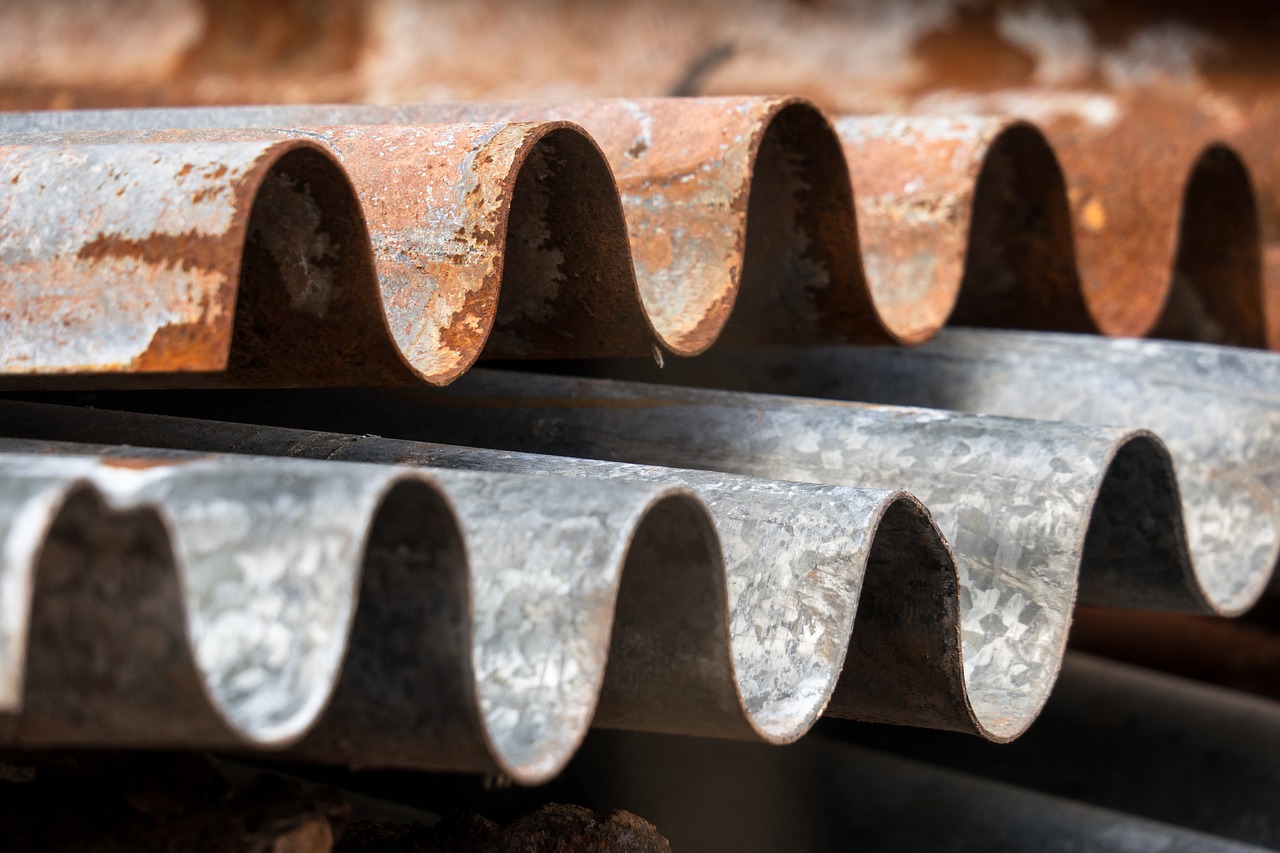
Corrosion is a natural process that occurs when metals react with environmental elements like moisture, oxygen, and chemicals, leading to deterioration. It weakens structures, reduces efficiency, and can cause costly damage if not managed properly. Preventing corrosion requires protective measures that minimize exposure to corrosive factors and enhance the durability of materials. Here is how to prevent corrosion.
Choosing Corrosion-Resistant Materials
One of the most effective ways to prevent corrosion is by selecting materials that naturally resist rust and degradation. Stainless steel, aluminum, galvanized steel, and certain alloys have better resistance to oxidation and chemical exposure. If corrosion is a major concern, using non-metallic materials such as plastics or composites in specific applications can also be an effective alternative.
Applying Protective Coatings
Coatings act as a barrier between the metal and corrosive elements. Common protective coatings include:
- Paints and Varnishes: These create a physical barrier to moisture and oxygen.
- Powder Coating: A durable, electrostatically applied coating that prevents exposure to harsh conditions.
- Galvanization: Coating iron or steel with zinc to protect against rust.
- Anodizing: A process used mainly for aluminum to create a protective oxide layer.
Regularly maintaining and reapplying coatings as needed can extend the life of metal structures and equipment.
Using Corrosion Inhibitors
Corrosion inhibitors are chemicals that slow down or prevent metal degradation. They can be added to water systems, fuel lines, or industrial processes to minimize oxidation and rust formation. Common inhibitors include:
- Passivators: Chemicals that form a protective film over metal surfaces.
- Volatile Corrosion Inhibitors (VCIs): Used in packaging materials to protect stored metals.
- Rust Preventive Oils: Applied to machinery and tools to repel moisture.
These inhibitors are particularly useful in industries such as construction, automotive, and manufacturing.
Controlling Environmental Conditions
Since corrosion is often caused by moisture and exposure to corrosive substances, controlling environmental factors can help prevent it. Key strategies include:
- Reducing humidity: Using dehumidifiers or proper ventilation can lower moisture levels in enclosed spaces.
- Limiting exposure to water: Keeping metals dry and avoiding prolonged contact with water minimizes corrosion risks.
- Avoiding exposure to salt and chemicals: In coastal or industrial areas, regular cleaning and protective coatings can help mitigate corrosion caused by salt and pollutants.
Proper storage and maintenance of metal objects in controlled environments can significantly slow down corrosion.
Using Cathodic Protection
Cathodic protection is a technique used to prevent metal structures from corroding, especially in pipelines, ships, and underground tanks. This method involves applying an electrical current or using sacrificial anodes (such as zinc or magnesium) that corrode instead of the protected metal. This is commonly used in marine and oil industries to extend the life of metal structures.
Regular Maintenance and Inspections
Routine maintenance is essential to prevent corrosion before it becomes severe. Regular inspections help identify early signs of rust or deterioration, allowing for timely repairs. Simple maintenance tasks include:
- Cleaning surfaces to remove dirt, debris, and corrosive residues
- Checking for scratches or damage in protective coatings and repainting when necessary
- Applying lubricants to metal components to reduce friction and exposure to moisture
Proactive care can prevent minor corrosion from escalating into major structural damage.
Also Read: How To Pray Istikhara

Email your news TIPS to Editor@Kahawatungu.com — this is our only official communication channel
