


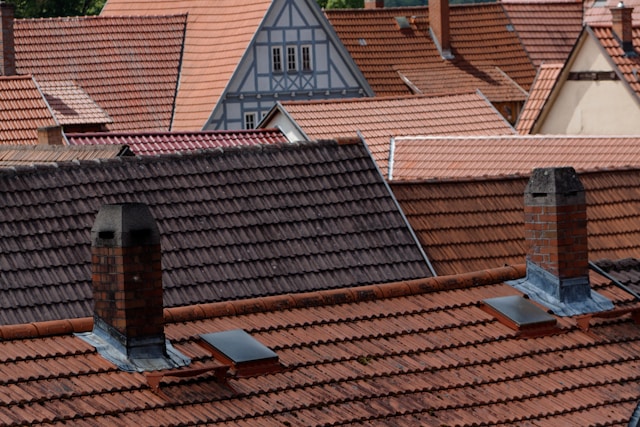
The market for residential roofing is changing fast. According to research provided by market research consultant companies, the market is anticipated to steadily grow and reach $42.66 billion by 2033, rising at a CAGR of 4.5%. This continued trajectory of growth follows the market’s recovery from pandemic-induced stagnations driven by an increase in construction, improved consumer appetites, and tech-based innovation reshaping homeowner considerations around roofs.
Weather Resilience Becomes Non-Negotiable
With climate change causing more extreme weather throughout the country, homeowners find themselves investing in roofing systems that meet their needs to face up to the raw power of Mother Nature. Amidst increasing property protection demands in storm-prone regions, high impact resistant material demand is expected to remain high. The trend is also being driven by insurance companies who offer premium discounts for impact-resistant installations, making weatherproof roofing a smart investment.
Not surprisingly, metal roofing has emerged as a leading contender, with lifespans of 50–70 years and superior performance. The best solutions will combine impact resistance with wind uplift protection and the latest water-shedding capabilities to provide a full spectrum of protection against increasingly extreme weather.
Sustainability Takes Center Stage
Environmental awareness has become a key motivating force behind residential roofing – homeowners desire solutions that are as low-impact and high-durability as possible. Products like cool roofing, that reflects sunlight whilst preventing heat absorption, are thriving in warmer regions due to their energy-saving benefits and ability to extend roof lifespans.
Homeowners appreciate both the reduced utility bills and environmental benefits. And the green roofing market is anticipated to increase by $7.25 billion by 2028, due in part to benefits such as improved air quality, stormwater management and less urban heat. Cities are increasingly adopting green roofs to combat rising temperatures and environmental challenges.
Solar Integration Continues Despite Regulatory Changes
These days solar integration capabilities are a necessity not a luxury add-on. Regulatory shifts, such as California’s reduced solar incentives, keep demand for solar roofing high, fueled by improved solar cell efficiency and corporate green energy goals.
Manufacturers of roofs designed to incorporate solar panels report even greater demand. These hybrid systems combining traditional roofing materials with photovoltaic cells reach a wider market because they save energy and may qualify property owners for tax incentives.
Consumer Decision-Making: Reputation and Quality Over Price
Homeowner preferences for roofing contractors and materials reveal important market research consultant industry information. Surveys find that 73% use word-of-mouth recommendations, 61% use company reputation and 50% use contractor experience.
For materials, durability is the top concern, so many choose metal or premium shingles. Cost is important, but often falls short of longevity and appearance. Aesthetic appeal is becoming more important as homeowners try to improve curb appeal. This trend forces manufacturers to offer roofing products that combine strength with style.
Smart Roofing Technology Emerges
Innovative leak detection sensors are enabling smart technology to monitor and maintain residential roofing systems in real time. They find problems early, reduce repair costs and extend roof lives.
A few sophisticated setups adjust attic ventilation based on temperature or warn of ice dam risks in winter. While they come with a higher initial cost, smart roofing options provide long term value to tech savvy homeowners who want efficiency, durability and proactive protection for their home.
Market Challenges: Labor and Supply Chain Issues
The roofing business is booming, but it’s not without its issues that can delay a project and impact the budget. The skilled workforce is aging and there are not enough younger people with the skills needed, resulting in project delays and higher wages being offered for work.
Supply chain problems, while better than in 2022, are still resulting in material shortages and price volatility. Contractors are adjusting by sourcing locally and seeking substitutes.
Market stability is expected by 2025, making quality materials more accessible and pricing more predictable for both contractors and homeowners.
Looking Ahead: Market Stability and Government Influence
While growth is expected to remain strong through 2025, market analysts project a potential plateau around 2028 as reroofing and repair projects begin to slow down. However, the market is expected to maintain its robustness through day-to-day maintenance and the continuing replacement of aging roofs.
By 2025, roof replacement demand will remain influenced by government policies. Thanks to legislation, including the Infrastructure Investment and Jobs Act (IIJA) and the Inflation Reduction Act (IRA), large amounts of money are being made available for all types of infrastructure, which means that roofing work will be available for the residential and commercial sectors.
Residential roofing trends in 2025 emphasize sustainability, resilience and smart tech. Homeowners prize durability, energy efficiency and aesthetics, while industry heavyweights are navigating labor shortfalls and supply chain issues.

Email your news TIPS to Editor@Kahawatungu.com — this is our only official communication channel
