


A tense Senate session on Tuesday exposed major gaps in Kenya’s support systems for people living with invisible disabilities, with Senators and government officials clashing over delays, poor services, and lack of clear policies.
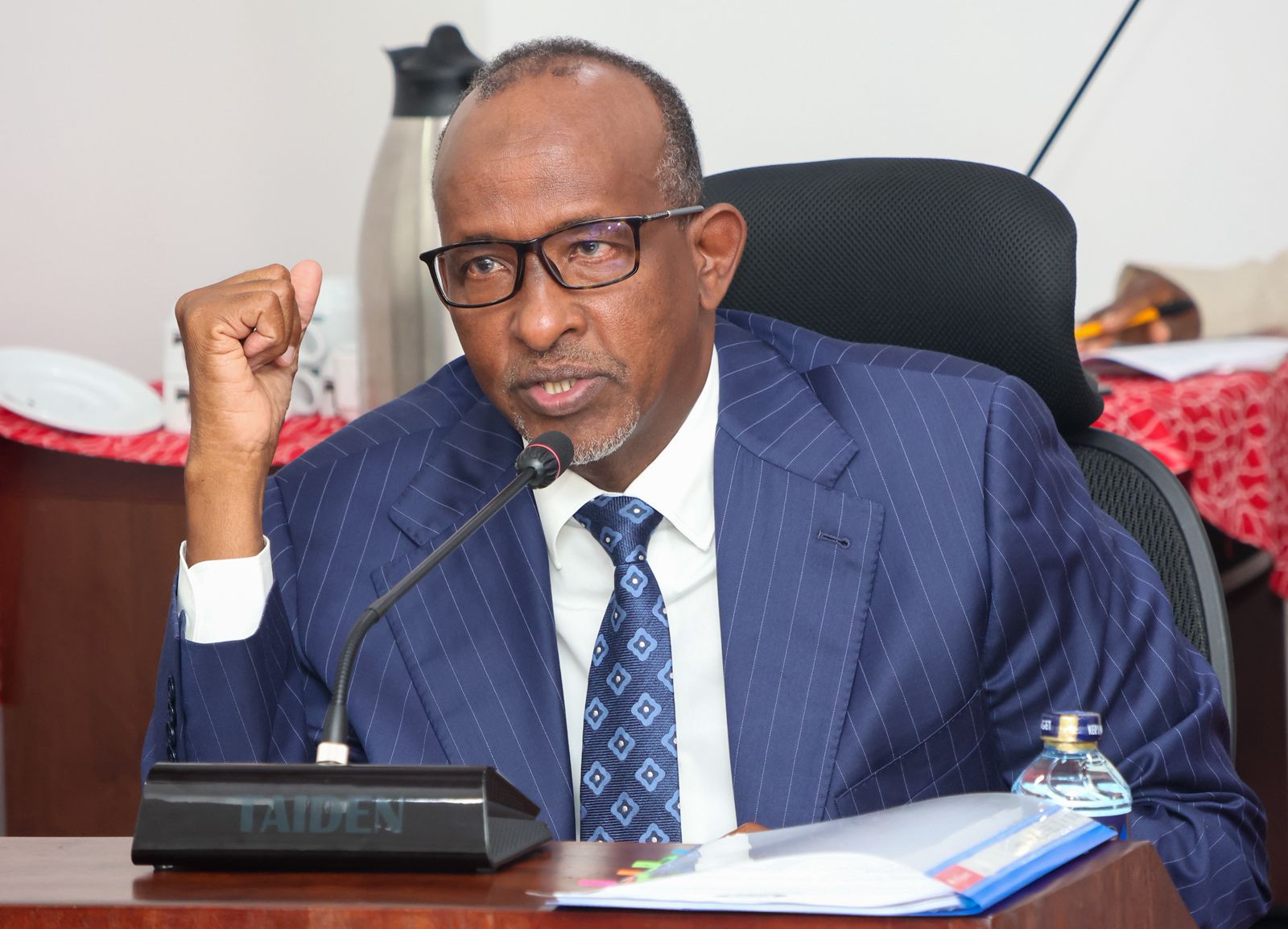
The Senate Standing Committee on Labour and Social Welfare, chaired by Vice Chairperson Senator Crystal Asige, convened the session following a petition by Beatrice Likwop, a Kenyan living with invisible disabilities. Health Cabinet Secretary Aden Duale, Social Protection Principal Secretary Joseph Motari, and representatives from the Council of Governors appeared before the Committee to respond.
Beatrice, in an emotional statement, described the struggles she and others face due to conditions like epilepsy, fibromyalgia, and mental illness — all of which are often ignored.
“Invisible disabilities are not just unseen in the body, they are invisible in policy, in budgets, and in planning. We are tired of being statistics on paper while nothing reaches us,” she told the session.
CS Duale defended the Ministry of Health’s efforts, citing guidelines developed in 2022 to recognize invisible disabilities, the rollout of the Social Health Authority (SHA), and three new health funds — including the Chronic Illness Fund. He also mentioned training programs for healthcare workers to improve diagnosis and care for such conditions.
“The patient is now the boss,” said Duale. “We’re building a system where every Kenyan — visible or invisible — is treated with dignity.”
However, Nominated Senator Miraj Abdulrahman challenged the Ministry’s plans.
“What are the timelines and the actual mechanisms to ensure these policies help people? What happens to those who cannot afford private hospitals while public ones have no drugs or specialists?” she asked.
Duale responded that digitisation, in-service training, and policy monitoring frameworks are already underway, but acknowledged the need for more effective implementation.
Despite these assurances, Beatrice shared how registering for the Social Health Insurance Fund (SHIF) had not helped her access essential medication.
“You read from your papers, but I live the reality. I go to public hospitals, and they tell me the drugs are out of stock. I’m unemployed, yet I must still pay for a fund that doesn’t support me,” she said.
Alice Bundia, caregiver to a young adult with autism, added that many children with invisible disabilities are mistreated because they lack visible identifiers.
“Some end up in police custody because they’re non-verbal. We need visible identifiers, like sunflower bracelets, to protect them,” she urged.
PS Motari responded that while the idea of visible identifiers had been considered, concerns around stigma had slowed its adoption.
Senators and stakeholders agreed urgent reforms are needed. These include nationwide training for healthcare workers, teachers, and police officers, updates to disability policies and laws, household surveys to improve data collection, and fair distribution of disability cash transfers and education support.
“There is a clear need for counties to align their services with national goals,” said Senator Asige. “This isn’t just about policies. It’s about dignity — being seen, being heard, and being supported.”
Email your news TIPS to Editor@Kahawatungu.com — this is our only official communication channel
