


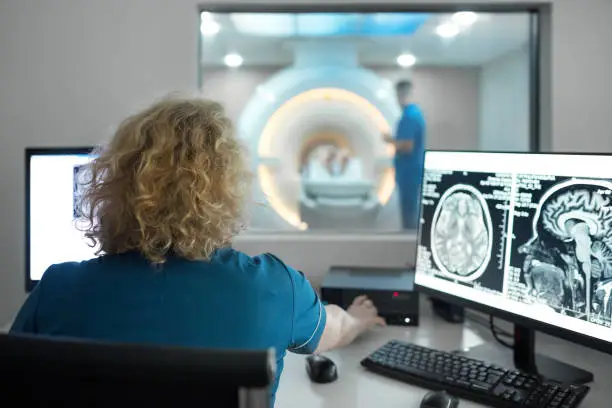
Radiologists are medical doctors who specialize in using imaging techniques such as X-rays, CT scans, MRI scans, and ultrasounds to diagnose and sometimes treat illnesses. It is a highly respected and rewarding career, but it also requires years of dedication, study, and hands-on training. If you are interested in medicine and enjoy working with technology, becoming a radiologist may be the right career path for you. Here is how to become a radiologist.
- Complete High School with Science Subjects
The journey starts with excelling in high school, especially in science and mathematics. Strong grades in biology, chemistry, and physics are essential because they are prerequisites for medical school admission. - Earn a Medical Degree (MBChB or Equivalent)
To become a radiologist, you first need to qualify as a medical doctor. This involves completing a medical degree, which typically takes five to six years at an accredited university. During this time, you will study anatomy, physiology, pathology, and other core medical subjects. - Complete an Internship and Community Service
After obtaining your medical degree, you must complete a two-year internship at a hospital. This provides practical experience in different medical departments. Following the internship, you will also complete one year of compulsory community service before you can practice independently. - Specialize in Radiology
Once you are a qualified medical doctor, you can apply to specialize in radiology. Specialization usually takes four to five additional years of postgraduate training. During this time, you will learn advanced imaging techniques, interpretation of scans, and how to use imaging to support treatments. - Register with the Relevant Medical Council
Radiologists must be registered with the medical council in their country, such as the Health Professions Council of South Africa (HPCSA) if you are in South Africa. Registration ensures that you meet the professional and ethical standards required to practice medicine. - Gain Experience and Continue Learning
After specializing, you can work in hospitals, diagnostic centers, or private practice. Many radiologists also choose to further subspecialize in fields like interventional radiology, pediatric radiology, or neuroradiology. Continuous professional development is important to keep up with advances in medical imaging technology. - Develop Essential Skills
A good radiologist must have attention to detail, strong problem-solving abilities, and excellent communication skills. Since they often work closely with other doctors, teamwork and clear reporting are crucial.
Also Read: How To Become A Neurosurgeon

Email your news TIPS to Editor@Kahawatungu.com — this is our only official communication channel
