


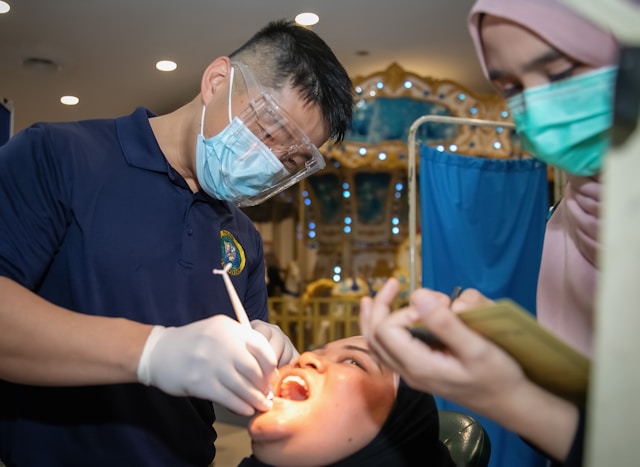
A sudden sharp tooth pain while eating, a broken crown right before a big presentation or losing a tooth in an accident can quickly ruin your entire day. Acting with an urgent care dental visit provides you with relief, prevents additional damage, and preserves your long-term oral health. In this blog, you will learn about why time is important, plus how it can help you make the right decision when problems come.
1. Getting Ahead of the Pain
Tooth pain is a sign that something more sinister than simple irritation is going on: infection or conditions that need intervention to get better. When you do, ignoring the pain won’t make it go away; that’s when I would ignore it. Don’t forget how an urgent care dentist can easily identify the source of the pain and provide precision treatment, whether medication, cleaning or repairing the tooth.
2. Stopping Infections Before They Spread
What starts in a single tooth or gum area can spread to the jaw or even into the bloodstream if not treated in time. Once bacteria spread, the risks go beyond oral health and can affect your well-being. Seeing an emergency dentist quickly allows the infection to be controlled before it travels further. Early treatment means simple solutions like antibiotics instead of complex surgeries or tooth extractions later.
3. Saving a Knocked-Out Tooth
Whatever it is you’re doing, maybe playing sport or just pottering around at home, accidents do happen. If you get to a dentist within an hour, there’s a far greater chance the tooth can be saved. The best thing you can do is keep it moist by rinsing the tooth in milk while you wait for professional help. The quicker you act, the better your odds of reimplanting the tooth and preserving your natural smile.
4. Protecting Restorations and Dental Work
Occasionally, crowns, bridges or fillings break or become loose with no warning. When this occurs, the tooth underneath becomes more susceptible to bacteria, decay and sensitivity. Ignoring it could escalate into larger problems. Consider getting an emergency dental visit to get your dental work restored before things are allowed to get out of control, in which case you would need to replace the whole thing.
5. Controlling Bleeding and Oral Trauma
Falls, accidents, or sudden injuries often cause bleeding that can look alarming. While some cuts inside the mouth may heal on their own, ongoing bleeding or broken teeth should never be ignored. Emergency dentists are trained to handle these situations, stop bleeding, and stabilise injuries. Getting treated quickly not only limits the damage but also helps you recover faster and more comfortably.
6. Avoiding Long-Term Dental Damage
Take note that even small cracks in a tooth can turn into a significant issue if left untreated. What begins as a minor chip can spread deeper, eventually reaching the root and leading to the need for a root canal or even extraction. According to the best dentist in Bellevue, WA, seeing an emergency dentist early means small problems stay small.. Moreover, acting fast gives you a better chance of keeping your natural teeth strong and healthy for the future.
7. Finding Peace of Mind When You Need It Most
The sudden pain, bleeding, or broken tooth often comes with stress about cost, timing, and treatment. That is the reason why booking an emergency appointment quickly gives you peace of mind knowing that a professional is in charge of the situation. So instead of guessing, using home remedies, or worrying about making things worse, you get a clear treatment plan and proper care.
Should You Book an Emergency Dental Visit?
When dental pain or injury strikes, acting fast is always the best move. Booking an emergency dental visit brings quick relief, stops further complications, and protects your long-term oral health. From saving a knocked-out tooth to keeping an infection from spreading, fast treatment makes all the difference. If dental trouble shows up, the sooner you get professional care, the better the outcome will be.

Email your news TIPS to Editor@Kahawatungu.com — this is our only official communication channel
