


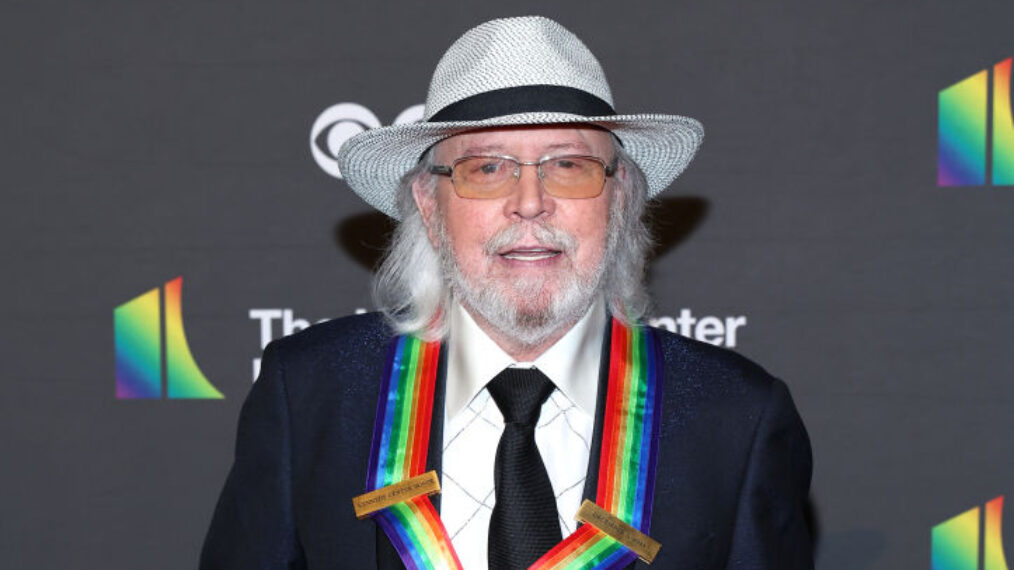
Barry Alan Crompton Gibb, born on September 1, 1946, in Douglas on the Isle of Man, is a renowned English musician, singer, songwriter, and record producer.
As the eldest of five siblings in a musical family, Barry grew up in a household shaped by his father’s career as a drummer and bandleader, Hugh Gibb, and his mother Barbara, who had performed as a singer before focusing on family life.
The Gibbs emigrated from their working-class roots in Manchester, England, to Australia in 1958, settling in the suburb of Cribb Island near Brisbane, where Barry’s passion for music began to flourish amid humble beginnings marked by poverty and street performances.
Now 79 years old as of 2025, Sir Barry Gibb remains the last surviving member of the Bee Gees, continuing to honor his brothers’ legacy through performances, songwriting, and philanthropy.
Siblings
Barry’s older sister, Lesley Evans, was the first child of Hugh and Barbara Gibb, arriving just before the family’s early years on the Isle of Man.
Lesley, who pursued a quieter life away from the spotlight, occasionally joined her brothers in early performances but largely stepped back as the boys’ fame grew.
The heart of the Gibb musical dynasty lay with Barry’s three younger brothers: the fraternal twins Maurice Ernest Gibb and Robin Hugh Gibb, both born on December 22, 1949, in Douglas, with Robin arriving first at 3:15 a.m. and Maurice half an hour later.
Maurice, known for his instrumental prowess on bass, guitar, and keyboards, and Robin, celebrated for his distinctive vibrato and harmonies, formed the core of the Bee Gees alongside Barry, creating an unbreakable creative bond that propelled them to global stardom.
The youngest sibling, Andy Roy Gibb, was born on March 5, 1958, in Redcliffe, Australia, just months before the family’s arrival Down Under; a charismatic pop singer in his own right, Andy achieved solo success in the late 1970s with hits like “I Just Want to Be Your Everything” but tragically died in 1988 at age 30 from complications related to substance abuse.
Also Read: Maurice Gibb Siblings: A Look at the Musician’s Family Tree
Career
Gibb’s career ignited in childhood, performing skiffle and rock ‘n’ roll covers with his brothers on the Isle of Man and later in Manchester before the family’s move to Australia cemented their path.
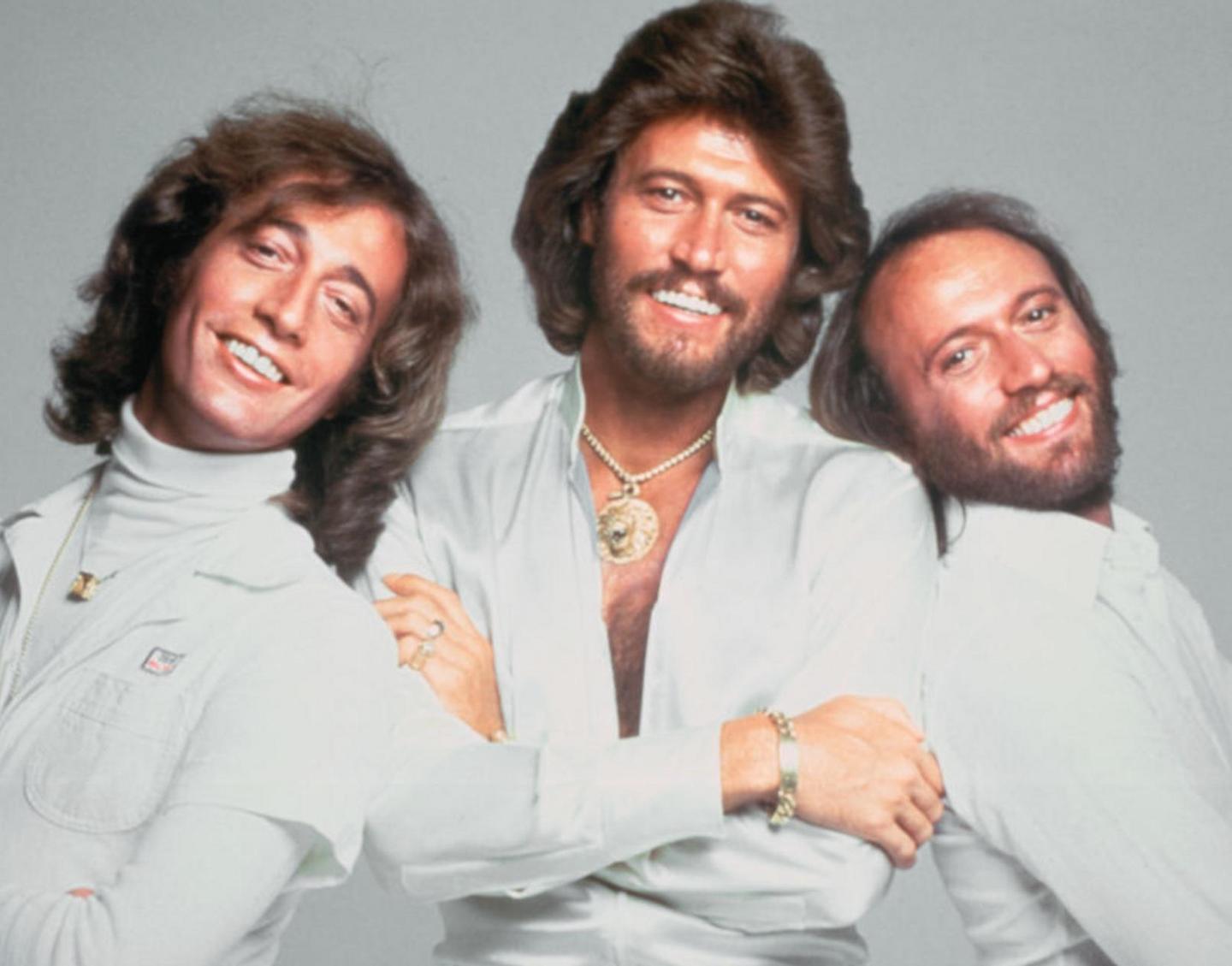
At just 12 years old, Barry, alongside the nine-year-old twins, formed the Bee Gees in 1958, initially as a quartet including drummer Colin Petersen, but evolving into the classic trio that defined an era.
Their breakthrough came in the late 1960s with psychedelic pop hits like “New York Mining Disaster 1941” and “Massachusetts,” transitioning seamlessly into the soft-rock ballads of the early 1970s such as “How Can You Mend a Broken Heart,” which topped the Billboard Hot 100.
The group’s pinnacle arrived in the mid-1970s disco explosion, masterminded by Barry’s innovative falsetto and production flair, with the Saturday Night Fever soundtrack in 1977 yielding four consecutive No. 1 singles, “How Deep Is Your Love,” “Stayin’ Alive,” “Night Fever,” and “More Than a Woman”, and selling over 40 million copies worldwide, cementing the Bee Gees as disco royalty despite later backlash.
Beyond the group, Barry’s songwriting genius shone in collaborations, penning smashes for Barbra Streisand “Woman in Love”, Dolly Parton and Kenny Rogers “Islands in the Stream”, and Diana Ross “Chain Reaction”.
After the Bee Gees’ sporadic reunions and hiatuses, marked by the deaths of Maurice and Robin, Barry embarked on a solo renaissance in the 2010s, releasing the critically acclaimed album Greenfields in 2021.
Accolades
The Bee Gees collectively secured nine Grammy Awards from 14 nominations, including Album of the Year and Best Pop Vocal Performance for Saturday Night Fever in 1978, and a posthumous Lifetime Achievement Award in 2015 presented to Barry on behalf of the group.
In 2003, mere weeks after Maurice’s death, Barry and Robin accepted the prestigious Grammy Legend Award, the first for a band, where Barry tearfully passed it to Maurice’s son Adam, symbolizing the family’s unbreakable spirit.
Barry himself received the Recording Academy’s Lifetime Achievement Award in 2015, and in 2022, he was the sole honoree from the Bee Gees at the Kennedy Center Honors, celebrated alongside luminaries like U2 and Joan Baez for his cultural impact.
Knighted by Queen Elizabeth II in 2018 for services to music and charity, Sir Barry joined the Rock and Roll Hall of Fame in 1997 as part of the Bee Gees and the Songwriters Hall of Fame in the same year, recognizing over 1,000 compositions.
Additional accolades include the 1997 Brit Award for Outstanding Contribution to Music, multiple American Music Awards, and induction into the Australian Recording Industry Association Hall of Fame in 2004.
Email your news TIPS to Editor@Kahawatungu.com — this is our only official communication channel
