


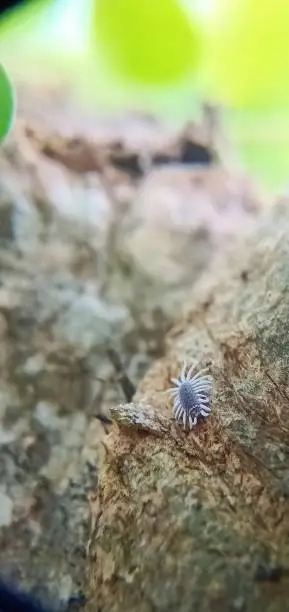
Ticks in your yard can be a serious concern, especially if you have children or pets. These tiny parasites hide in grass, shrubs, and leaf litter, waiting to attach themselves to humans and animals. Besides being unpleasant, ticks can transmit diseases and cause skin irritation. Getting rid of ticks in your yard requires a consistent approach that reduces their habitat, limits host animals, and uses safe control methods. This article explains practical and effective ways to eliminate ticks from your yard and prevent them from returning.
- Identify Areas Where Ticks Hide
Knowing where ticks live helps target treatment.
- Tall grass and weeds
- Leaf piles and debris
- Shrubs and bushes
- Woodpiles
- Shaded and damp areas
Ticks thrive in moist, sheltered environments.
- Keep Your Grass Short and Well Maintained
Short grass discourages ticks.
- Mow the lawn regularly
- Remove overgrown weeds
- Trim edges along fences
- Keep grass evenly cut
Ticks struggle to survive in open, dry areas.
- Remove Leaf Litter and Yard Debris
Debris provides shelter for ticks.
- Rake leaves frequently
- Clear fallen branches
- Remove garden waste
- Dispose of debris properly
Clean yards reduce tick hiding spots.
- Create Dry Barrier Zones
Barriers block tick movement.
- Use gravel or wood chips
- Create a border between lawn and bushes
- Maintain a 1-meter wide barrier
- Keep barriers dry
Ticks avoid crossing dry surfaces.
- Reduce Moisture in the Yard
Ticks need moisture to survive.
- Improve yard drainage
- Fix leaking taps
- Avoid overwatering
- Water lawns in the morning
Dry conditions limit tick activity.
- Trim Shrubs and Trees Regularly
Dense vegetation attracts ticks.
- Prune bushes and shrubs
- Remove low-hanging branches
- Increase sunlight exposure
- Improve air circulation
Sunlight dries out tick habitats.
- Discourage Wild Animals From Entering the Yard
Animals carry ticks into your yard.
- Install fencing where possible
- Secure rubbish bins
- Avoid feeding wildlife
- Remove food sources
Fewer animals mean fewer ticks.
- Treat Pets to Prevent Tick Spread
Pets often bring ticks home.
- Use vet-approved tick treatments
- Check pets daily
- Groom pets regularly
- Keep pet bedding clean
Protecting pets protects your yard.
- Use Natural Tick Repellents in the Yard
Natural solutions can help reduce ticks.
- Diatomaceous earth
- Neem oil sprays
- Cedar oil treatments
- Garlic-based repellents
Apply regularly for best results.
- Apply Beneficial Nematodes
Nematodes attack ticks naturally.
- Use nematodes in damp soil
- Apply during suitable temperatures
- Follow application instructions
- Reapply as needed
This biological method is eco-friendly.
- Consider Professional Yard Treatments
Professional services offer targeted control.
- Yard inspection
- Tick-safe pesticides if necessary
- Long-term prevention plans
- Expert advice
This is useful for severe infestations.
- Protect Play Areas and Outdoor Spaces
High-use areas need extra care.
- Keep play areas sunny
- Install mulch or rubber surfaces
- Avoid placing equipment near shrubs
- Clean outdoor furniture regularly
Safer zones reduce tick exposure.
- Wear Protective Clothing When Working Outside
Personal protection reduces risk.
- Wear long sleeves and pants
- Tuck pants into socks
- Use tick repellents
- Shower after yard work
Prevention protects your health.
- Check Your Yard Regularly for Ticks
Routine inspections help early detection.
- Look for ticks on grass tips
- Check shaded areas
- Monitor pet activity
- Act quickly if ticks appear
Early action prevents infestation.
- Use Tick Tubes or Cotton Treatments
Tick tubes target rodents.
- Cotton treated with tick-killing agents
- Place near rodent habitats
- Replace regularly
- Follow safety guidelines
This reduces ticks at the source.
- Improve Yard Layout for Tick Control
Smart landscaping limits ticks.
- Separate wooded areas from lawns
- Keep patios away from dense vegetation
- Create open, sunny spaces
- Maintain clear pathways
Good design discourages ticks.
- Avoid Overusing Chemical Pesticides
Excess chemicals can be harmful.
- Harmful to beneficial insects
- Dangerous to pets and children
- Can contaminate soil and water
- Not always necessary
Use chemicals only when needed.
- Maintain Consistent Tick Prevention Practices
Consistency ensures long-term results.
- Mow and clean regularly
- Monitor pets and wildlife
- Apply treatments as needed
- Adjust with seasons
Ongoing care keeps ticks away.
- When to Seek Professional Help
Some infestations need expert care.
- Large tick populations
- High disease risk areas
- Repeated reinfestation
- Limited improvement with home methods
Professional control may be the safest option.
Also Read: How To Get Rid Of Rats In The Ceiling
Email your news TIPS to Editor@Kahawatungu.com — this is our only official communication channel
