


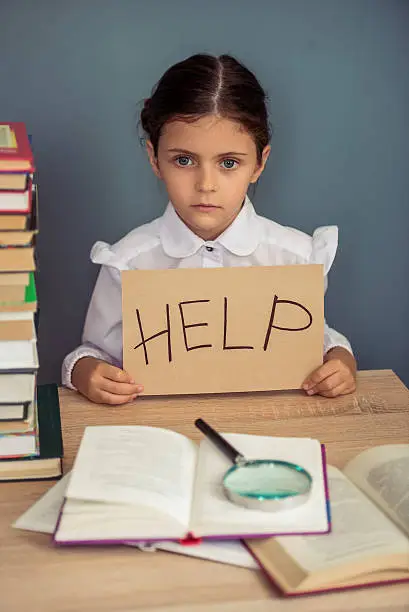
Understanding how to help struggling students in the classroom is an important responsibility for every teacher. Students may struggle academically, emotionally, or socially, and these challenges can affect their confidence, participation, and overall performance. Struggling students are not a reflection of poor ability but often a sign that they need additional support, guidance, or a different learning approach. When teachers respond with patience, structure, and understanding, struggling learners can make meaningful progress.
This article explains how to help struggling students in the classroom by identifying challenges early, using supportive teaching strategies, and creating an inclusive learning environment.
-
Identify the Reasons Students Are Struggling
Before providing support, it is important to understand why a student is struggling. Each learner’s situation is unique.
Common reasons include:
- Learning difficulties or gaps in understanding
- Language barriers
- Emotional or behavioral challenges
- Lack of motivation or confidence
- Problems at home or social difficulties
Identifying the root cause helps teachers choose the most effective intervention.
-
Create a Safe and Supportive Classroom Environment
Students learn better when they feel safe, respected, and supported.
Supportive classroom practices include:
- Encouraging questions without judgment
- Avoiding embarrassment or public criticism
- Promoting respect among classmates
- Showing empathy and understanding
A positive environment increases student confidence and willingness to learn.
-
Set Clear Expectations and Learning Goals
Struggling students benefit from structure and clarity.
Effective goal-setting strategies include:
- Clearly explaining lesson objectives
- Breaking tasks into manageable steps
- Providing clear instructions
- Reviewing expectations regularly
Clear goals help students stay focused and reduce confusion.
-
Use Differentiated Instruction
Not all students learn in the same way. Differentiated instruction allows teachers to meet diverse learning needs.
Differentiation methods include:
- Adjusting teaching pace
- Using visual, auditory, and hands-on materials
- Offering alternative ways to complete assignments
- Providing additional explanations when needed
Flexible teaching approaches support better understanding.
-
Provide Regular Feedback and Encouragement
Constructive feedback helps students recognize progress and areas for improvement.
Helpful feedback practices include:
- Giving specific and timely feedback
- Focusing on effort as well as results
- Praising improvement and persistence
- Offering guidance on how to improve
Positive feedback builds motivation and self-esteem.
-
Offer Extra Support and Individual Attention
Some students require additional help beyond regular classroom instruction.
Support strategies include:
- One-on-one assistance
- Small group instruction
- Extra practice sessions
- Modified assignments when appropriate
Individual attention helps close learning gaps more effectively.
-
Encourage Active Participation and Engagement
Engaged students are more likely to understand and retain information.
Engagement strategies include:
- Asking open-ended questions
- Using group discussions and activities
- Incorporating real-life examples
- Allowing movement and interaction in lessons
Active participation increases interest and learning success.
-
Build Strong Teacher-Student Relationships
Positive relationships help struggling students feel valued and understood.
Relationship-building strategies include:
- Taking time to listen to students
- Learning about students’ interests
- Being approachable and consistent
- Showing genuine care for student progress
Strong relationships increase trust and cooperation.
-
Collaborate with Parents and Support Staff
Working together ensures consistent support for struggling students.
Collaboration practices include:
- Communicating regularly with parents
- Sharing strategies and progress updates
- Working with counselors or special educators
- Developing support plans when needed
Teamwork strengthens student support systems.
-
Monitor Progress and Adjust Strategies
Helping struggling students is an ongoing process that requires reflection and flexibility.
Effective monitoring includes:
- Tracking academic progress
- Observing behavioral changes
- Adjusting strategies when needed
- Celebrating improvements, even small ones
Regular evaluation ensures support remains effective.
Also Read: How to Heat a Pool Efficiently and Safely
Email your news TIPS to Editor@Kahawatungu.com — this is our only official communication channel
