


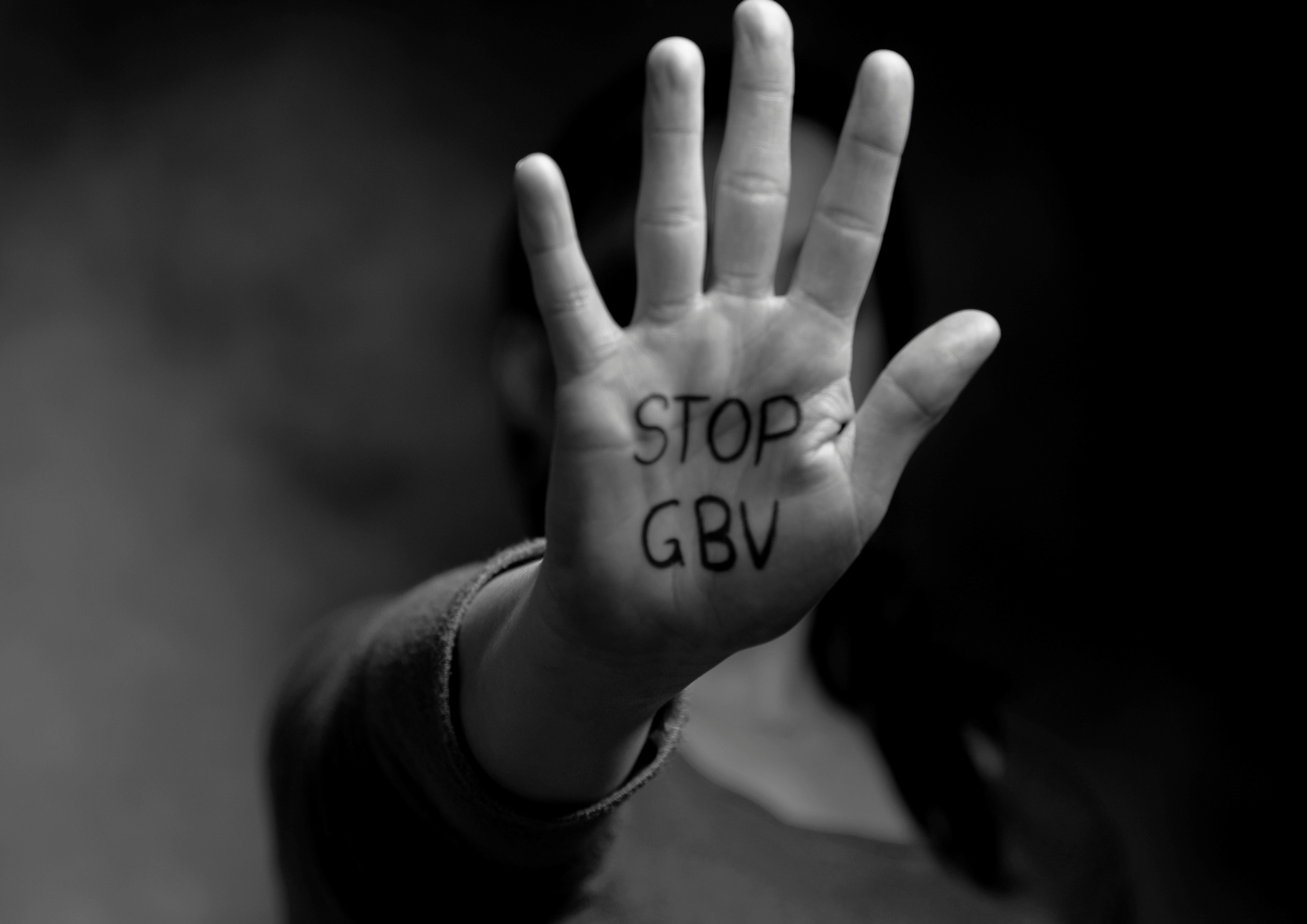
Kenya lacks a centralised, disaggregated and publicly accessible national data system on gender-based violence (GBV) and femicide, a major gap that continues to undermine prevention, accountability and policy response, a presidentially appointed Technical Working Group (TWG) revealed.
The finding comes amid heightened public concern over a surge in GBV incidents, including femicide, recorded over recent months despite the country’s progressive constitutional and legal framework that guarantees gender equality and protection of life.
In a detailed report submitted to the President, the multi-sectoral team warned that weak implementation of existing laws, entrenched patriarchal norms, low accountability and fragmented support systems continue to expose survivors to violence while enabling perpetrators to act with near-impunity.
“Survivors face systemic and social barriers in accessing justice, protection and recovery services. Many cases are underreported, poorly handled or informally settled at the family or community level, undermining justice and reinforcing impunity,” the team noted.
Femicide Remains Legally Invisible
One of the most critical gaps identified is the absence of a clear legal definition or stand-alone offence of femicide in Kenyan law.
The TWG observed that femicide cases are currently prosecuted under general murder provisions, resulting in inconsistent handling and the inability to generate meaningful data for prevention and accountability.
While physical and sexual violence attract policy attention, the team found that other pervasive forms of GBV — including economic, psychological and online abuse — remain largely overlooked. Vulnerable groups such as persons with disabilities, as well as men and boys, face compounded invisibility in both discourse and response mechanisms.
Community Systems Undermining Justice
The report raises alarm over the widespread obstruction of justice at the family and community levels, where GBV and even femicide cases are often resolved through clan elders or informal mechanisms.
These processes, the team said, frequently involve coercion, victim-blaming and silence, particularly where bride price, family honour or kinship ties are involved.
Informal justice forums such as Nyumba Kumi structures and chiefs’ barazas — often the first point of contact — are neither legally empowered nor adequately trained to handle serious criminal offences. In many cases, reconciliation or compensation is prioritised over prosecution, allowing perpetrators to evade justice.
Cultural Practices and Digital Harm
Harmful cultural practices including early child marriage, widow cleansing, beading and the medicalisation of female genital mutilation (FGM) continue unabated despite years of advocacy.
The team also flagged the growing misuse of technology, noting that social media has become a space for victim-blaming, misinformation and the circulation of graphic content that retraumatises survivors and families.
The absence of digital ethics guidelines and low digital literacy, the report said, has normalised online gender-based violence and deepened a culture of desensitisation and impunity.
Chronic Underfunding and Poor Coordination
The TWG further cited chronic underfunding and fragmented coordination of GBV interventions at both national and county levels. Most survivor services remain donor-dependent, making them vulnerable to shifting geopolitical priorities. Counties often lack dedicated budgets, trained personnel and referral infrastructure to sustain timely and localised responses.
Bold Recommendations
To address the crisis, the team proposed sweeping legal, policy and institutional reforms. Among its key recommendations are:
- Amending the Penal Code to define and codify femicide as a distinct offence.
- Declaring GBV, including femicide, a national crisis, triggering emergency resources and high-level political attention.
- Establishing a National GBV and Femicide Response Fund drawing contributions from government, development partners, the private sector and philanthropists.
- Mandatory CCTV installation in short-stay rentals, lodgings and commercial accommodation facilities.
- Criminalising family- or clan-led settlements and interference in GBV cases.
- Amending the Sexual Offences Act to bar withdrawal of GBV cases once prosecution begins and to impose strict timelines for case determination.
- Fully criminalising medicalised FGM and strengthening penalties for child sex offenders.
- Creating a national GBV Management Information System, a Femicide Observatory and a real-time public dashboard to track trends and guide prevention.
The team also recommended professionalising community dispute resolution structures through mandatory training, embedding paralegals in informal justice systems, expanding One-Stop GBV Recovery Centres across all counties, and rolling out nationwide public education campaigns to dismantle harmful gender norms.
A Call for Transformative Action
The TWG warned that the normalisation of gender-based violence and femicide poses a direct threat to constitutional rights, community cohesion and national development.
“Addressing this crisis demands more than reforms on paper. It requires transformative action anchored in law, financed with intent, driven by data, conscious of family dynamics, digitally responsible and rooted in dignity for survivors,” the report states.
The team urged swift implementation of its recommendations, noting that without decisive action, Kenya risks entrenching a cycle of violence that continues to claim lives and erode public trust in justice institutions.
Email your news TIPS to Editor@Kahawatungu.com — this is our only official communication channel
