


Knowing how to increase pH in a pool is essential for maintaining clean, comfortable, and safe swimming water. Pool pH measures how acidic or alkaline the water is, and when it drops too low, swimmers may experience eye irritation, skin dryness, corrosion of pool equipment, and reduced effectiveness of chlorine. The ideal pool pH range is usually between 7.2 and 7.8, which keeps the water balanced and comfortable.
This article explains why pool pH drops, how to raise it correctly, and how to keep it stable over time.
-
Why Pool pH Matters
pH balance affects both swimmer comfort and pool longevity.
Proper pH levels help to:
- Prevent eye and skin irritation
- Protect pool surfaces and equipment
- Improve chlorine efficiency
- Maintain clear and healthy water
Low pH makes water acidic and can damage metal parts and liners.
-
Test Your Pool Water Before Making Adjustments
Accurate testing ensures correct treatment.
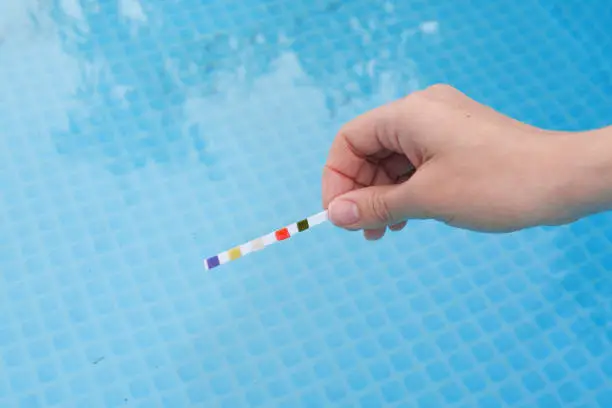
You can test pool pH using:
- Test strips
- Liquid test kits
- Digital pool testers
Always test the water before adding chemicals to avoid overcorrection.
-
Identify Common Causes of Low Pool pH
Understanding the cause helps prevent recurring problems.
Common reasons pH drops include:
- Heavy rainfall
- Frequent swimmer use
- Overuse of chlorine
- Addition of acidic pool chemicals
- Organic debris like leaves and dirt
Identifying the cause helps maintain long-term balance.
-
Use Soda Ash to Raise Pool pH
Soda ash, also known as sodium carbonate, is the most common pH increaser.
Benefits of soda ash include:
- Raises pH quickly
- Easy to apply
- Widely available in pool stores
Application tips:
- Dissolve soda ash in a bucket of water
- Pour slowly around the pool perimeter
- Keep the pump running for proper circulation
Test the water again after a few hours.
-
Use Baking Soda for Minor pH Adjustment
Baking soda is useful for gentle pH increases.
Advantages include:
- Mild pH increase
- Also raises total alkalinity
- Safe and affordable
Best use cases:
- When pH is slightly low
- When alkalinity is also low
- For gradual corrections
Avoid using large amounts at once.
-
Balance Total Alkalinity First
Alkalinity stabilizes pH levels.
Ideal total alkalinity range:
- 80–120 parts per million (ppm)
Low alkalinity causes pH to fluctuate.
To raise alkalinity:
- Use baking soda
- Add in small doses
- Allow circulation between adjustments
Stable alkalinity makes pH easier to control.
-
Run the Pool Pump After Adding Chemicals
Circulation ensures even distribution.
Proper circulation helps:
- Dissolve chemicals completely
- Prevent cloudiness
- Achieve accurate test results
Run the pump for at least several hours after treatment.
-
Retest and Adjust Gradually
Avoid raising pH too quickly.
Best practices include:
- Retesting after 4–6 hours
- Making small adjustments
- Allowing chemicals time to work
Gradual correction prevents water imbalance.
-
Prevent Future pH Drops
Consistency keeps pool water healthy.
Preventive steps include:
- Regular water testing
- Proper chlorine dosing
- Removing debris promptly
- Maintaining balanced alkalinity
- Covering the pool when not in use
Routine maintenance reduces chemical use.
-
Know When to Seek Professional Help
Some pH problems may indicate larger issues.
Consider professional help if:
- pH drops repeatedly
- Water becomes corrosive
- Equipment shows damage
- Chemicals fail to stabilize levels
Expert assessment can prevent costly repairs.
Also Read: What to Do If You Can’t Start Your Car
Email your news TIPS to Editor@Kahawatungu.com — this is our only official communication channel
