


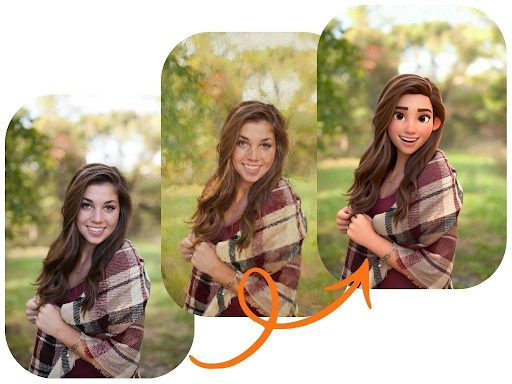
Have you seen those fun, vibrant, and slightly quirky Nano Banana AI images popping up everywhere? It’s a creative trend that blends familiar objects with a unique artistic style, and it’s easier to create than you might think. You don’t need to be a professional graphic designer to bring your own imaginative ideas to life. The key is using an image-to-image generation process, which lets you guide an AI with a starting picture to produce something entirely new.
This guide will walk you through everything you need to know in 2026. We’ll cover what makes this art style special and show you how to use a Free Image to Image AI Generator to create your own masterpieces. It’s a straightforward method that gives you amazing control over the final result, turning a simple photo into a Nano Banana-inspired Free Image to Image AI Generator work of art.
The concept behind this style is all about transformation. You take a regular image and apply the distinct “Nano Banana” aesthetic to it. This could mean altering colors, exaggerating features, or adding playful, cartoonish elements. The best way to get started is with a tool designed for this specific purpose. Using a dedicated Free Nano Banana AI ensures that you can capture the precise look and feel of this popular trend without a steep learning curve.
What Exactly is Nano Banana AI Art?
Before we jump into the creation process, let’s break down what “Nano Banana AI” actually means. It’s not about tiny, technologically advanced fruits. Instead, it’s an art style characterized by bright colors, bold outlines, and often a cheerful or whimsical theme. Think of it as a mix between modern pop art and clean, digital illustrations.
The “AI” part refers to the technology used to create it. Artificial intelligence algorithms analyze a source image and a text prompt to generate a new piece of art that combines elements from both. The Nano Banana style has a specific aesthetic that the AI learns to replicate, giving your photos a consistent and recognizable look.
Key Characteristics of the Style:
* Vibrant Color Palette: The style often uses a high-contrast, saturated color scheme. Pinks, yellows, blues, and greens are common, creating a lively and energetic feel.
* Bold and Clean Lines: Unlike painterly or realistic styles, Nano Banana art features distinct, solid outlines around objects, similar to what you might see in a comic book or a modern cartoon.
* Simplified Forms: Details are often smoothed over or simplified to their essential shapes. This gives the images a clean, uncluttered appearance that’s easy on the eyes.
* Playful Subject Matter: While you can apply this style to any photo, it works exceptionally well with fun, lighthearted subjects like animals, food, or everyday objects.
Why Use the Image-to-Image Method?
When it comes to AI art generation, you generally have two choices: Text to Image or Image to Image.
- Text to Image: You write a text prompt describing what you want, and the AI creates an image from scratch. This is great for pure imagination, but it can be hard to get the composition just right.
- Image to Image: You provide a starting image and a text prompt. The AI uses the structure, layout, and general shapes of your original picture as a blueprint, then reimagines it based on your prompt.
For the Nano Banana style, Image to Image is the superior choice. It gives you a foundation to build upon. If you want to turn a photo of your dog into a Nano Banana character, you can upload the photo and ensure the AI maintains your dog’s pose and basic features. You get the best of both worlds: the creative freedom of AI and the structural control of a real photograph.
This method saves you from the trial-and-error process of trying to describe a perfect scene with words alone. The source image provides the context, and your prompt provides the artistic direction.
Step-by-Step Guide to Creating Nano Banana AI Images
Ready to make your own? Here’s a simple, step-by-step process for turning any photo into a Nano Banana AI creation in 2026.
Step 1: Choose a High-Quality Source Image
The quality of your final result heavily depends on the quality of your starting image. A good source image has a few key traits:
* Clear Subject: The main person, animal, or object in the photo should be in focus and easy to see. Avoid blurry or poorly lit pictures.
* Simple Background: An image with a clean, uncluttered background allows the AI to focus on transforming the main subject. A busy background can sometimes confuse the generator.
* Good Composition: A well-composed photo will naturally lead to a more visually appealing AI-generated image.
For your first attempt, try something simple like a portrait of a pet, a piece of fruit on a table, or a photo of a single flower. These subjects have clear forms that are easy for the AI to interpret and stylize.
Step 2: Upload Your Image to an AI Generator
Once you have your picture, it’s time to use an Image-to-Image AI tool. Find a generator that is user-friendly and specifically supports this style. You’ll typically see an “Upload Image” button where you can select the file from your computer or phone. The platform will then display your photo, ready for the next step.
Step 3: Write a Descriptive and Clear Text Prompt
Your text prompt is your instruction to the AI. This is where you tell it what you want it to do with your uploaded image. For this style, you need to be specific.
A good prompt includes:
* The Style Keyword: Always start your prompt with “Nano Banana style” or “Nano Banana art.” This is the most important part.
* The Subject: Briefly describe the main subject of your photo (e.g., “a golden retriever,” “a red apple,” “a portrait of a woman”).
* Artistic Details: Add other keywords to refine the look. Words like “vibrant colors,” “bold outlines,” “cartoonish,” “pop art,” and “clean illustration” work very well.
Example Prompts:
* For a photo of a cat: “Nano Banana style art of a cat, vibrant colors, bold outlines, playful cartoon.”
* For a landscape photo: “Nano Banana style landscape, simplified forms, bright sunny day, pop art illustration.”
* For a picture of a coffee mug: “Nano Banana style coffee mug, clean illustration, high contrast, minimalist.”
Don’t be afraid to experiment. Sometimes adding or removing a single word can change the output in interesting ways.
Step 4: Adjust the AI Settings (Optional)
Many AI image generators offer advanced settings that give you more creative control. One of the most important for Image to Image is the “Image Strength” or “Denoising Strength” slider.
* Low Image Strength: A lower value tells the AI to stick very closely to your original photo’s structure and colors. The final image will look more like a filtered version of your original.
* High Image Strength: A higher value gives the AI more creative freedom. It will use your image as a loose guide, but will feel more comfortable changing shapes, colors, and details to better match the “Nano Banana” prompt.
For an authentic Nano Banana look, a mid-to-high image strength (around 60-80%) usually works best. This allows the AI to significantly transform the image while still preserving the core composition.
Step 5: Generate and Refine Your Image
After you’ve uploaded your image, written your prompt, and adjusted the settings, hit the “Generate” button. The AI will take a few moments to process your request and will then present you with its creation.
It’s rare to get the perfect image on the very first try. The key to success is refinement. Look at what the AI created and think about what you want to change.
* Is it not colorful enough? Add “highly saturated” or “vibrant color palette” to your prompt.
* Are the lines not bold enough? Add “thick black outlines” to your prompt.
* Does it look too much like the original photo? Increase the image strength.
Keep tweaking your prompt and settings and generating new versions until you get a result you love. Once you’re happy, you can download the final image and share it.

Email your news TIPS to Editor@Kahawatungu.com — this is our only official communication channel
