


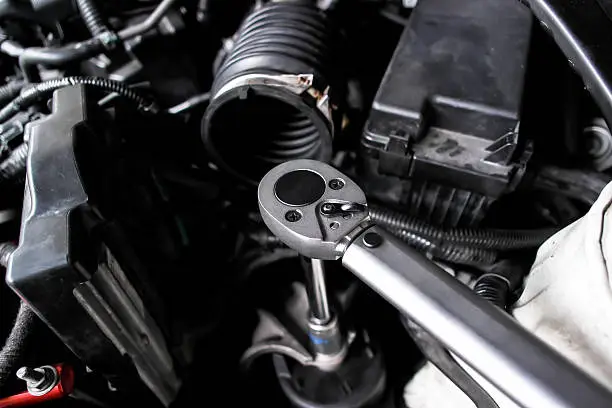
A torque wrench is a specialized tool used to tighten nuts and bolts to a specific level of force. It helps prevent over-tightening or under-tightening, which can damage parts or create safety issues. Learning how to use a torque wrench correctly is important for vehicle repairs, machinery maintenance, and many DIY projects. With proper handling and accurate settings, you can tighten fasteners safely and effectively.
-
Choose the Correct Torque Wrench
Different torque wrenches are designed for different tasks and torque ranges.
Select a wrench suitable for the job you are performing.
- Check the required torque range
- Choose the correct socket size
- Inspect the wrench for damage
-
Set the Desired Torque Value
Adjust the wrench to the torque specification recommended for the fastener or equipment.
Most torque wrenches have a scale or digital setting.
- Unlock the adjustment handle if needed
- Set the correct torque value
- Lock the setting securely
-
Attach the Socket and Position the Wrench
Connect the correct socket to the torque wrench and place it firmly onto the nut or bolt.
Ensure the wrench sits properly before applying force.
- Attach the correct socket
- Position the wrench securely
- Keep a stable grip
-
Tighten the Fastener Carefully
Turn the wrench slowly and steadily until the desired torque is reached.
Many torque wrenches click or signal when the setting is achieved.
- Apply smooth pressure
- Stop when the wrench clicks or signals
- Avoid sudden force
-
Store the Torque Wrench Properly
After use, return adjustable torque wrenches to their lowest setting if recommended by the manufacturer.
Proper storage helps maintain accuracy.
- Clean the wrench after use
- Store in a dry place
- Avoid dropping or misusing the tool
Also Read: How to Upload Documents at VUT
Email your news TIPS to Editor@Kahawatungu.com — this is our only official communication channel
