


The Public Petitions Committee has called for the simplification and wider dissemination of public debt and audit reports to improve citizens’ understanding of public finances and promote meaningful participation in debt governance.
The Committee, chaired by Runyenjes MP Muchangi Karemba, raised the concerns during a meeting with Controller of Budget (CoB) Dr Margaret Nyakang’o and Deputy Auditor General Isaac Ng’ang’a.
The meeting focused on Public Petition No. 10 of 2026, which seeks to strengthen oversight, transparency and intergenerational equity in the management of Kenya’s public debt.
Members of the Committee observed that although oversight institutions regularly publish detailed reports on public debt and public finances, the technical language used in the documents makes them difficult for ordinary citizens to understand.
The lawmakers said young people, who are increasingly engaging in governance and accountability issues, should be provided with accessible information on the country’s debt and public finances.
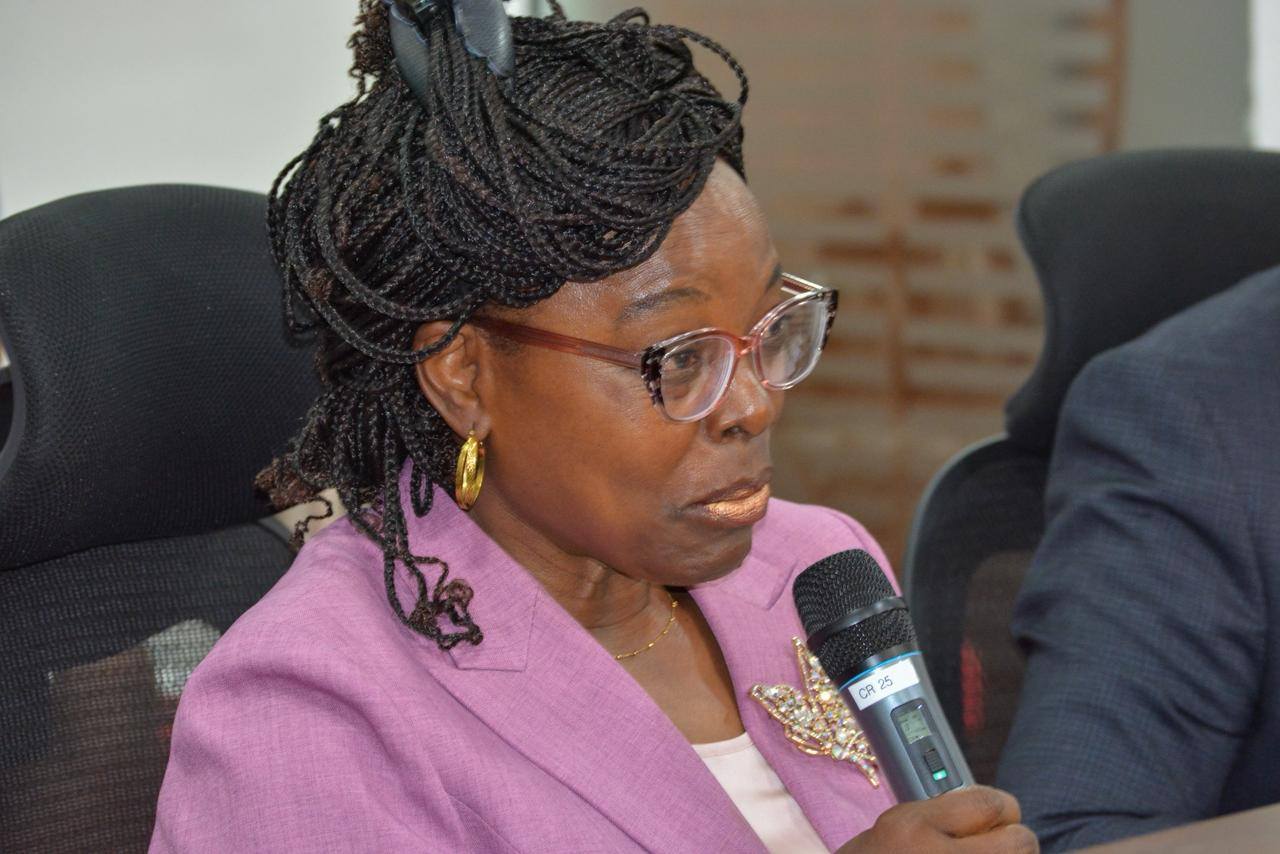
Dr Nyakang’o acknowledged the need for public institutions to adopt simpler and more citizen-friendly communication strategies.
“I agree that we need to improve the way we simplify the reports so that they can get to the wider public, and we also need to increase the digital presence on our social media pages. We also need to get some young people to throw the message out a little more than we are doing,” said Dr Nyakang’o.
She added that her office would engage the Bunge Mashinani Initiative to explore ways of expanding public awareness and participation in matters of public finance.
The petition was presented by Beatrice Waiyaki and others on behalf of the Kiambu County Empowerment Network and the Bunge Mashinani School of Governance, in collaboration with various activist groups.
The petition raises concerns over Kenya’s rising public debt and proposes enhanced parliamentary oversight of debt management, greater transparency and public access to debt information, as well as the establishment of a comprehensive Public Debt Registry.
Dr Nyakang’o supported most of the proposals but recommended that Parliament amend the Public Finance Management Act, 2012, instead of creating a new standalone law.
She proposed that the amendments should place a clear statutory obligation on the National Treasury to establish and maintain the proposed Public Debt Registry.
The Controller of Budget told the Committee that her office had already submitted recommendations on the proposed amendments.
Karemba also questioned the reliability of government information systems after Dr Nyakang’o recommended the adoption of the Commonwealth Meridian System to automate public debt management and settlement.
“You seem to have a lot of confidence in this system, and systems in this country have not a very good history. Where are you gathering the confidence to trust this Commonwealth Meridian System? Where has it worked?” Karemba asked.
In response, Dr Nyakang’o said the Commonwealth Meridian System had been successfully implemented in several Commonwealth countries and provided a comprehensive framework for managing public debt.
She said the system can support governments in analysing borrowing needs, assessing debt sustainability and strengthening governance around public borrowing.
Dr Nyakang’o also called for a clear separation of the roles played by the National Treasury, the Central Bank of Kenya, Parliament and the Office of the Controller of Budget in public debt oversight.
She said clearly defined mandates would help eliminate duplication and strengthen accountability in the management of public debt.
On the petitioners’ proposal for a two-year freeze on public borrowing, Dr Nyakang’o said the objective was understandable but would be difficult to implement given the country’s current fiscal position.
She said Kenya’s total public borrowing stood at Sh12.82 trillion, with about 60 per cent being domestic debt and 40 per cent external debt.
According to Dr Nyakang’o, up to 71 per cent of the revenue collected by the government is currently used to repay loans, leaving only about 29 per cent for other government expenditure, including recurrent and development programmes.
She said the situation made it difficult for the country to immediately stop borrowing.
“The impact of that is that we must keep borrowing in order to stay afloat. What perhaps we can work on is reducing our spending so that gradually, we reduce the amounts that we must borrow to stay afloat,” she said.
Dr Nyakang’o said the country should instead pursue fiscal consolidation by increasing revenue collection and reducing government expenditure to gradually narrow the fiscal gap.
Deputy Auditor General Isaac Ng’ang’a also backed most of the petition’s recommendations, saying Kenya can improve debt sustainability by strengthening institutional arrangements, promoting fiscal discipline and enhancing operational efficiency.
Ng’ang’a urged the government to continue implementing growth-friendly fiscal consolidation measures that boost revenue mobilisation while rationalising expenditure and protecting priority development and social programmes.
He further recommended exploring cost-effective financing options, extending the maturity profile of public debt where appropriate, optimising concessional borrowing and deepening the domestic debt market.
Ng’ang’a said effective debt management should focus on reducing borrowing costs and refinancing risks while maintaining macroeconomic stability.
He said such measures would help ensure that Kenya’s public debt remains sustainable for both current and future generations.

Email your news TIPS to Editor@Kahawatungu.com — this is our only official communication channel
