


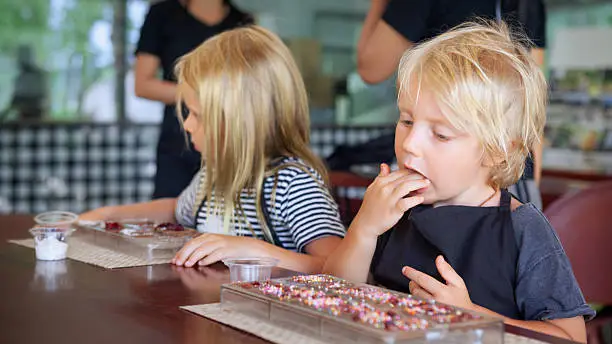
Knowing how to stop a child from sucking fingers can help parents address the habit gently and support healthy oral development. Finger sucking is common among babies and young children because it can provide comfort and help them settle. Many children gradually stop as they grow older. However, persistent thumb or finger sucking can sometimes affect the position of the teeth, the roof of the mouth, or speech development, particularly as permanent teeth begin to appear.
-
Understand Why the Child Sucks Their Fingers
Start by identifying situations when the child is most likely to suck their fingers.
Some children do it when they are tired, bored, anxious, hungry, or trying to fall asleep. Understanding the trigger can help you address the habit more effectively.
- Observe when the habit occurs
- Look for emotional triggers
- Notice whether it happens during sleep
- Avoid immediately scolding the child
-
Offer Comfort in Other Ways
If finger sucking is used for comfort, provide alternative ways for the child to feel relaxed.
A favourite soft toy, comforting routine, gentle conversation, or cuddling can sometimes help the child settle without sucking their fingers.
- Offer a comfort object
- Give reassurance
- Establish a relaxing bedtime routine
- Spend quality time with the child
-
Use Gentle Reminders
Instead of shouting or embarrassing the child, use a calm reminder when you notice them sucking their fingers.
Young children may not realise they are doing it, so gentle reminders can help them become more aware of the behaviour.
- Use a simple reminder
- Stay calm and patient
- Avoid embarrassing the child
- Praise them when they stop
-
Keep the Child’s Hands Busy
Finger sucking can sometimes happen when a child is bored or has nothing to do.
Encourage activities that keep their hands occupied, such as drawing, building with age-appropriate toys, playing games, or helping with simple household activities.
- Encourage drawing
- Provide suitable toys
- Introduce hands-on activities
- Keep the child engaged
-
Praise Progress
Positive reinforcement can be more effective than punishment.
Praise the child when they manage to go without sucking their fingers, particularly during situations where they normally have the habit.
- Recognise small improvements
- Give encouraging words
- Celebrate progress
- Avoid punishment for setbacks
-
Create a Finger-Free Bedtime Routine
If the habit mainly occurs at night, establish a consistent bedtime routine.
Reading a story, listening to calming music, or having a quiet conversation before sleep can provide alternative ways for the child to relax.
- Follow a consistent bedtime routine
- Read a bedtime story
- Provide comfort before sleep
- Encourage relaxation
-
Use a Reward System for Older Children
For children who understand the concept, a simple reward chart can encourage progress.
Set realistic goals and reward the child for making an effort rather than expecting them to stop immediately.
- Set achievable goals
- Use a simple chart
- Reward effort and progress
- Keep the experience positive
-
Avoid Harsh Methods
Do not frighten, shame, hit, or repeatedly punish a child for sucking their fingers.
Harsh treatment can increase anxiety and may make the habit more difficult to stop.
- Avoid shouting
- Do not shame the child
- Never use physical punishment
- Focus on encouragement
-
Talk to a Dentist if the Habit Continues
If a child continues sucking their thumb or fingers as they get older, consider discussing the habit with a dentist.
A dentist can check whether the habit is affecting the teeth or mouth and recommend appropriate strategies.
- Arrange a dental check-up
- Discuss the frequency of the habit
- Ask about dental development
- Follow professional recommendations
-
Be Patient and Consistent
Stopping finger sucking can take time, especially when the habit has been used for comfort for several years.
Remain consistent, encourage the child, and understand that occasional setbacks are normal.
Also Read: How to Clean a Mattress
Email your news TIPS to Editor@Kahawatungu.com — this is our only official communication channel
