


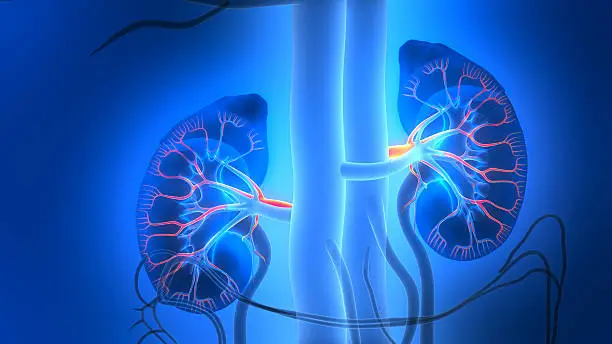
The kidneys play an important role in removing waste from the blood, balancing fluids and helping regulate blood pressure. Learning how to improve kidney function can help you protect your kidneys and reduce the risk of further damage. Healthy habits such as controlling blood pressure and blood sugar, eating a balanced diet, exercising and using medicines safely can support kidney health. However, people who already have kidney disease may need an individualized treatment plan from a healthcare professional.
-
Check Your Kidney Function
The first step is to find out how well your kidneys are working.
A healthcare professional can use blood and urine tests to assess kidney health. Common tests include estimated glomerular filtration rate (eGFR), which estimates how well the kidneys filter waste, and urine albumin-to-creatinine ratio (uACR), which checks for protein leaking into the urine.
Regular testing is especially important if you have diabetes, high blood pressure, a family history of kidney disease or other risk factors.
-
Control Your Blood Pressure
High blood pressure can damage the small blood vessels that filter waste inside the kidneys.
Check your blood pressure regularly and follow your healthcare provider’s recommendations if you have hypertension. Taking prescribed medication correctly, reducing excessive salt intake and maintaining a healthy weight can help protect kidney function.
Do not change your blood pressure medication without speaking with your healthcare provider.
-
Manage Blood Sugar
Diabetes is one of the major causes of kidney disease. High blood sugar over time can damage the blood vessels and filtering structures of the kidneys.
If you have diabetes, monitor your blood sugar and follow your prescribed treatment plan. A healthy diet, regular physical activity and appropriate medication can help keep blood sugar under control.
-
Eat a Balanced Diet
A healthy diet can support kidney health and help control conditions such as high blood pressure, diabetes and obesity.
Focus on a balanced eating pattern that includes appropriate portions of vegetables, fruits, whole grains and other nutritious foods. Reduce excessive salt, highly processed foods and foods high in added sugars.
If you already have kidney disease, your nutritional requirements may be different. A kidney dietitian can help determine the appropriate amounts of protein, sodium, potassium and phosphorus for your condition.
-
Stay Properly Hydrated
Adequate hydration supports normal kidney function, but drinking excessive amounts of water is not necessarily better.
Your fluid needs depend on factors such as your health, kidney function, heart health and medications. People with advanced kidney disease may be advised to restrict fluids.
Drink an appropriate amount of fluid and ask your healthcare provider about your individual needs if you have kidney disease.
-
Exercise Regularly
Regular physical activity can support kidney health by helping control blood pressure, blood sugar and body weight.
Choose activities that are appropriate for your fitness level, such as walking, cycling or other moderate exercise.
Start gradually if you have not been active and discuss exercise with a healthcare professional if you have significant kidney disease or other medical conditions.
-
Maintain a Healthy Weight
Being overweight or obese can increase the risk of conditions such as diabetes and high blood pressure, which can damage the kidneys.
Work toward a healthy weight through balanced eating and regular physical activity rather than extreme diets or rapid weight-loss methods.
-
Be Careful With Painkillers
Some commonly used painkillers can harm the kidneys, particularly when used frequently or at high doses.
Non-steroidal anti-inflammatory drugs such as ibuprofen and naproxen can be harmful to the kidneys in some circumstances. Ask a healthcare professional or pharmacist before using these medicines regularly, particularly if you have kidney disease.
Do not assume that herbal products or supplements are automatically safe for your kidneys.
-
Avoid Smoking
Smoking can damage blood vessels and increase the risk of conditions that can affect kidney health.
If you smoke, consider getting professional support to quit. Avoiding tobacco can benefit your kidneys as well as your heart, lungs and blood vessels.
-
Limit Excessive Salt
Eating too much salt can contribute to high blood pressure and fluid retention, both of which can place additional strain on the kidneys.
Reduce the amount of salt you add to food and limit highly processed and packaged foods that contain large amounts of sodium.
Check food labels where possible and choose lower-sodium alternatives.
-
Take Prescribed Medicines Correctly
If you have kidney disease, diabetes or high blood pressure, taking prescribed medicines as directed can help protect your kidney function.
Some medicines can slow the progression of kidney disease or manage conditions that contribute to kidney damage. Your healthcare provider can determine which treatment is appropriate for you.
Never stop or change prescribed medication without professional advice.
-
Treat Urinary Problems Promptly
Certain urinary problems and infections can affect the kidneys if they are not treated appropriately.
Seek medical attention if you experience symptoms such as painful urination, blood in the urine, persistent difficulty passing urine, fever with urinary symptoms or significant changes in your usual urination pattern.
Early assessment can help identify problems that may require treatment.
-
Avoid Unproven Kidney Cleanses
There is no need to rely on special detox drinks, herbal mixtures or extreme diets to “clean” your kidneys.
Your kidneys naturally filter waste from your blood. Some supplements and herbal products can actually be harmful, especially if your kidneys are already impaired.
If you are considering a supplement, discuss it with a healthcare professional first.
-
Follow Your Kidney Treatment Plan
If you have been diagnosed with chronic kidney disease, lifestyle changes should complement your medical treatment rather than replace it.
Follow your healthcare provider’s recommendations about diet, fluid intake, medication, blood pressure, blood sugar and follow-up tests. Kidney disease can require different dietary and treatment approaches depending on its stage and cause.
-
Know When to Seek Medical Attention
Kidney problems can sometimes develop without obvious symptoms, which is why testing is important for people at increased risk.
Seek medical attention if you develop severe swelling, very little or no urine, blood in your urine, persistent vomiting, severe shortness of breath, confusion or other concerning symptoms.
Also Read: How to Improve Blood Circulation in Legs

Email your news TIPS to Editor@Kahawatungu.com — this is our only official communication channel
