


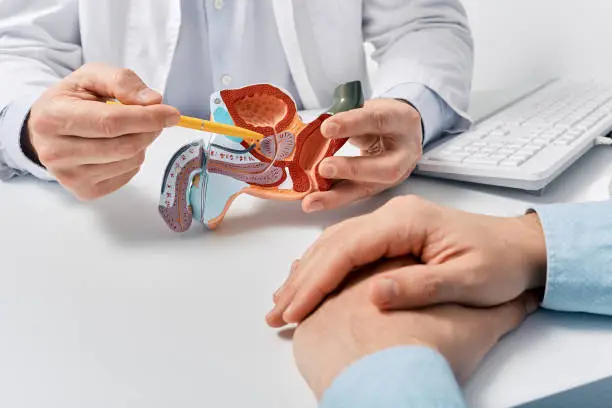
Prostate cancer is one of the important health concerns affecting men, particularly as they get older. While no natural remedy can completely prevent prostate cancer, healthy lifestyle choices may help reduce some risk factors and support overall health. Learning how to avoid prostate cancer naturally involves maintaining a healthy weight, staying physically active, eating a balanced diet, avoiding tobacco, limiting alcohol, and understanding your personal risk. Regular conversations with a healthcare professional are also important because some risk factors cannot be changed through lifestyle.
-
Maintain a Healthy Weight
Keeping your weight within a healthy range is an important part of overall cancer prevention. Excess body weight has been associated with a greater risk of advanced or more aggressive prostate cancer in some studies.
- Aim for a healthy weight
- Avoid unnecessary weight gain
- Make gradual lifestyle changes if you are overweight
-
Exercise Regularly
Regular physical activity can support healthy body weight and overall health. The American Cancer Society recommends adults get 150 to 300 minutes of moderate-intensity activity or 75 to 150 minutes of vigorous activity each week.
- Walk regularly
- Include strength exercises
- Reduce long periods of sitting
- Choose activities you can maintain consistently
-
Eat More Vegetables and Fruits
A healthy eating pattern can include a variety of vegetables, fruits, whole grains, beans, and other nutrient-rich foods. However, it is important to understand that no particular fruit or vegetable has been proven to prevent prostate cancer by itself.
- Eat a variety of vegetables
- Include whole fruits
- Add beans and other legumes
- Choose whole grains regularly
-
Limit Red and Processed Meat
A healthy diet for cancer prevention generally limits red and processed meats and highly processed foods. This approach can also support heart health and healthy body weight.
- Limit processed meats
- Reduce frequent consumption of red meat
- Choose fish, beans, poultry, or other healthier protein sources
-
Reduce Highly Processed Foods
Highly processed foods and sugar-sweetened drinks can make it more difficult to maintain a healthy weight.
Focus on meals made largely from whole or minimally processed foods.
- Limit sugary drinks
- Reduce heavily processed snacks
- Choose vegetables, fruits, beans, and whole grains
-
Avoid Smoking and Tobacco
Smoking is a modifiable cancer risk factor, and a history of smoking is also recognized as a prostate cancer risk factor. Quitting tobacco can improve your overall health even if you have used it for many years.
- Stop smoking if you smoke
- Avoid other tobacco products
- Seek professional help if quitting is difficult
-
Limit Alcohol
The American Cancer Society recommends that it is best not to drink alcohol for cancer prevention. If a man chooses to drink, the guideline recommends no more than two drinks per day.
- Limit alcohol consumption
- Avoid heavy drinking
- Consider alcohol-free alternatives
-
Do Not Rely on Vitamin E or Selenium Supplements
Taking supplements marketed for prostate cancer prevention is not necessarily beneficial. Large research has found that vitamin E did not prevent prostate cancer and was associated with an increased risk in the SELECT trial. Selenium also did not reduce prostate cancer risk.
- Avoid high-dose supplements without medical advice
- Do not assume “prostate health” products prevent cancer
- Discuss supplements with a healthcare professional
-
Be Careful With Folic Acid Supplements
Getting folate naturally from foods such as green vegetables and beans is different from taking high-dose folic acid supplements. NCI notes that high-dose folic acid supplementation has been associated with increased prostate cancer risk in research, while adequate dietary folate may be protective.
- Eat natural sources of folate
- Avoid unnecessary high-dose supplements
- Ask a healthcare professional before taking supplements
-
Avoid Excessive Calcium Supplements
Research on calcium and prostate cancer is not completely consistent, but high intake of dairy products and calcium has been studied as a possible risk factor. This does not mean men should eliminate calcium, which is important for health.
- Get appropriate calcium from a balanced diet
- Avoid unnecessary high-dose calcium supplements
- Follow medical advice if calcium supplementation is prescribed
-
Be Careful With “Natural Prostate Cancer Cures”
Herbal products, special juices, powders, and supplements may be promoted as natural ways to prevent prostate cancer. There is no proven natural product that guarantees protection against prostate cancer.
- Be cautious about cancer-prevention claims
- Avoid replacing medical care with supplements
- Discuss herbal products with a healthcare professional
-
Know Your Family History
Some prostate cancer risk factors cannot be changed. Having a father, brother, or son with prostate cancer increases a man’s risk. Certain inherited gene changes, including BRCA1 and BRCA2 mutations, can also affect risk.
- Ask about prostate cancer in your family
- Tell your healthcare professional about affected relatives
- Discuss whether your family history changes your screening needs
-
Understand Your Age-Related Risk
The risk of prostate cancer increases with age. It is uncommon in younger men and becomes more important as men get older.
Age alone cannot be changed, but knowing your risk can help you make informed decisions about prevention and early detection.
-
Discuss Prostate Screening
Healthy lifestyle habits cannot replace appropriate medical screening. PSA testing is sometimes used to screen for prostate cancer, but screening has potential benefits and harms. Men should discuss their individual risk and screening options with a healthcare professional.
- Discuss PSA testing with your healthcare provider
- Consider your age and family history
- Ask about the benefits and limitations of screening
-
Do Not Ignore Concerning Symptoms
Early prostate cancer often does not cause symptoms, which is one reason risk assessment and appropriate screening discussions are important. Changes such as difficulty urinating, blood in urine or semen, persistent bone pain, or other unusual symptoms should be assessed by a healthcare professional.
Also Read: How to Change Wallpaper on Laptop

Email your news TIPS to Editor@Kahawatungu.com — this is our only official communication channel
