


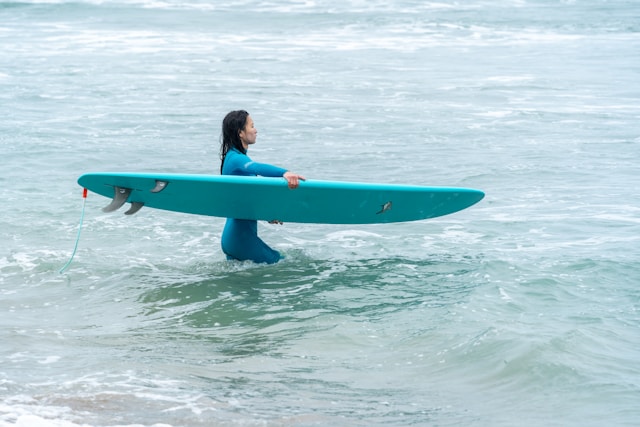
Surfing is more than a sport—it’s a lifestyle. Whether you’re drawn to the thrill of catching your first wave or seeking a deeper connection with the ocean, the right surfboard can make all the difference.
But with so many shapes, sizes, and materials available, choosing the perfect surfboard can feel overwhelming. This guide breaks down everything you need to know about surfboards in a simple, engaging, and informative way.
Why the Right Surfboard Matters
Your surfboard is your partner in the water. It affects how you paddle, how you catch waves, and ultimately how much fun you have. A board that matches your skill level, body type, and the waves you ride will help you progress faster and enjoy the ocean more safely.
Understanding Surfboard Basics
What Is a Surfboard?
At its core, a surfboard is a buoyant structure designed to glide across the surface of the water. Surfboards are typically made from foam, fibreglass, epoxy, or a combination of materials, each offering different performance characteristics. Understanding these basics will help you make a smarter choice when you’re ready to buy.
Key Parts of a Surfboard
- Nose: The front of the board. A wider nose helps with stability and paddling.
- Tail: The back end. Tail shape influences maneuverability and speed.
- Rails: The edges of the board. Harder rails turn better; softer rails offer smoother transitions.
- Fins: Provide stability and tracking. The number and configuration of fins affect performance.
- Deck: The top surface where you stand.
- Bottom: The underside, which shapes how water flows beneath the board.
Types of Surfboards
Longboards
Longboards are typically over 9 feet long and are perfect for beginners or riders who enjoy a smooth, traditional style of surfing. They offer excellent stability and are great for catching smaller, slower waves. If you imagine cruising gracefully across a wave, a longboard is likely what you’re picturing.
Shortboards
Shortboards are usually under 7 feet and are designed for more advanced surfers seeking speed and maneuverability. They excel in steep, powerful waves but require more skill to paddle and balance. Shortboards allow for sharp turns and radical moves.
Funboards
Funboards sit between longboards and shortboards in length and design. They offer a balance of stability and maneuverability, making them ideal for intermediate surfers. Funboards are great if you’re transitioning from a longboard to a shortboard.
Fish Boards
Fish boards are shorter, wider, and thicker, with a distinctive swallowtail design. They’re perfect for smaller, weaker waves, offering plenty of float and speed. Fish boards are popular among surfers who want a playful, fast ride.
Hybrid Boards
Hybrid boards combine elements from different designs to offer versatility. They’re suitable for a wide range of conditions and skill levels. If you want something that performs well in various wave sizes and styles, a hybrid might be a great choice.
Specialty Boards
There are also specialty boards like gun boards for big waves, foam boards for beginners, and performance boards crafted for specific wave types. These are often chosen by experienced surfers with a clear idea of their preferences.
How to Choose the Right Surfboard
Consider Your Skill Level
- Beginner: Look for a longboard or foam board with plenty of volume for stability.
- Intermediate: Funboards and hybrids are great choices as you refine your skills.
- Advanced: Shortboards or specialty boards give you maximum control and performance.
Think About Your Body Type
Your weight and height influence how much buoyancy you need. Heavier surfers typically need boards with more volume, while lighter surfers can perform well on smaller boards. Don’t be afraid to ask for volume recommendations when comparing options.
Assess the Wave Conditions
Different surf spots produce different waves. Smaller, mushy waves are ideal for boards with more volume and width. Powerful, steep waves demand more responsive shapes like shortboards. Knowing the typical conditions where you surf can guide your choice.
Understand Board Materials
- Foam (Soft Tops): Great for beginners due to safety and buoyancy.
- Fibreglass: Traditional construction offering a balanced feel.
- Epoxy: Lighter and more durable than fibreglass, ideal for many surfers.
Surfboard Maintenance Tips
Rinse After Every Session
Saltwater can degrade materials, so always rinse your board with fresh water after surfing.
Check for Dings
Cracks or dents can let water into the board, affecting performance. Repair dings promptly to preserve longevity.
Store Properly
Keep your board out of direct sunlight and extreme heat. The sun can damage the foam and weaken the fibreglass or epoxy layers.
Wax Your Board
Wax improves grip under your feet. Choose wax suited to water temperature and reapply as needed.
Surfboard Accessories to Consider
Leash
A leash keeps your board close and prevents it from becoming a hazard to others.
Fins
Different fin setups change how your board turns and tracks. Experiment with options like thrusters (three fins) or quads (four fins).
Board Bag
Protect your board from dings and UV damage when transporting or storing it.
Conclusion
Choosing the right surfboard is a journey that blends personal style, physical factors, and wave conditions. From stable longboards perfect for beginners to high-performance shortboards for experienced riders, there’s a board for every surfer. Take time to understand your needs, test different shapes if possible, and maintain your board well to enjoy countless sessions on the water. Surfing is as much about the experience as it is about riding waves—so pick a board that keeps you stoked every time you paddle out.
Email your news TIPS to Editor@Kahawatungu.com — this is our only official communication channel
