


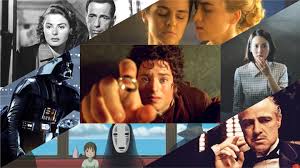
Independent cinema has long served as a space for creative freedom, where filmmakers step away from commercial constraints to pursue unique storytelling techniques and artistic styles. In today’s era of free live TV streaming, indie cinema aesthetics are evolving tenfold each year, and certain trends and patterns reflect world events and technological progress.
This article looks at how indie film aesthetics have evolved and highlights key titles that used visual and thematic decisions to shape the way stories are told.
A Brief Look at Indie Film Aesthetics
The roots of independent filmmaking trace back to the early 20th century when filmmakers sought autonomy from major studios to pursue personal artistic visions. This movement gained momentum in the 1960s and 1970s, with directors experimenting with unconventional narratives, raw cinematography, and themes often considered too avant-garde for mainstream audiences. Such creative liberties allowed indie films to develop a distinct aesthetic characterized by authenticity, experimentation, and a focus on underrepresented stories.
While approaches vary widely, many independent filmmakers lean into the following techniques to craft a more grounded or experimental feel:
- Natural lighting: Often shot with available light rather than elaborate setups, giving scenes a more lived-in look.
- Handheld camerawork: Adds intimacy or urgency, especially in emotionally raw or spontaneous moments.
- Non-professional actors: Some directors cast unknowns or first-time performers to heighten realism.
- Minimal dialogue: Silence and visual cues often carry emotional weight in place of exposition.
- Limited sets or locations: Budget restrictions often lead to tighter, more focused storytelling environments.
- Low-budget sound design: Sparse use of music and sound effects draws attention to what’s onscreen—and what’s not.
- Unconventional editing or structure: Looser pacing or nonlinear timelines let emotion guide the story more than plot mechanics.
Iconic Indie Films and Their Aesthetic Signatures
“Eraserhead” (1977) – Surreal Atmosphere and Sound Design
David Lynch’s first feature film is known for its eerie black-and-white visuals and industrial soundscapes. The story’s dreamlike tone is created as much through strange visuals as through unnerving background noise, producing a disorienting experience reflecting the protagonist’s fears and anxieties.
“Do the Right Thing” (1989) – Bold Color and Camera Choices
Spike Lee used intense red and orange hues to reflect the heat and tension in a Brooklyn neighborhood. The film’s stylized camera work—close-ups, wide angles, and direct addresses to the audience—builds urgency and confrontation, mirroring the growing unrest between characters.
“The Blair Witch Project” (1999) – Minimalism and Realism
This found-footage horror film was revolutionary for its time, using handheld cameras and a no-frills approach to create a chilling realism. With little to no special effects, the fear was generated by what wasn’t shown, relying on suggestion, mood, and audience imagination.
“Wendy and Lucy” (2008) – Understated and Realistic
Kelly Reichardt’s minimalist style is on full display here, using long takes, natural lighting, and quiet moments to focus on the day-to-day struggles of a woman living on the economic margins. The stripped-back approach gives the film emotional weight without overt drama.
“A Girl Walks Home Alone at Night” (2014) – Stylized Monochrome and Genre Play
Ana Lily Amirpour’s film stands out for its unusual mix of horror and Western elements, presented in stark black-and-white. With sparse dialogue and atmospheric visuals, the film creates a quiet, tense mood that feels fresh while nodding to classic cinema influences.
“The Babadook” (2014) – Psychological Symbolism and Set Design
Jennifer Kent’s horror film used its set to reflect the main character’s mental state. Dim lighting, tight framing, and a muted color scheme mirror the emotional toll of grief. The film’s psychological focus is reinforced through unsettling sound effects and stylized visuals.
“The Room Next Door” (2023) – Color as Character
Pedro Almodóvar’s first English-language short features his signature use of bold, saturated colors, often to heighten mood or emotional tension. The composition of each scene is deliberate and expressive, reinforcing themes of memory, longing, and communication.
Wrapping Up
Each of these films demonstrates how independent filmmakers use aesthetic choices not simply for style but to reinforce story and emotion. Whether it’s through visual minimalism, inventive camerawork, or bold use of sound, these directors rely on mood and perspective to tell stories that feel personal and unfiltered.
Whether you’re a filmmaker or a fan, understanding how indie directors build mood and meaning through aesthetics reveals just how powerful low-budget storytelling can be. These films may look different, but that’s the point.
Email your news TIPS to Editor@Kahawatungu.com — this is our only official communication channel
