


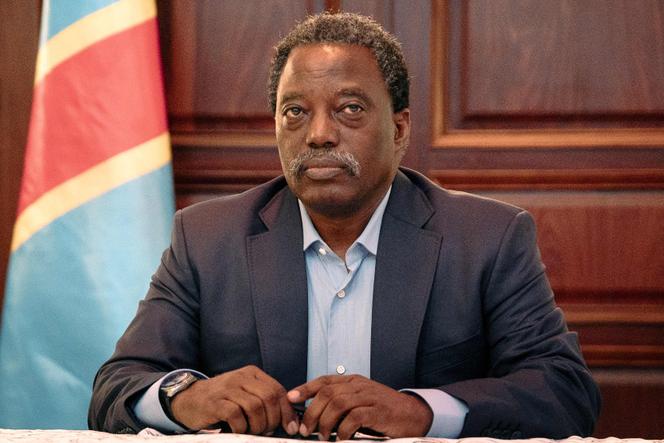
Former Democratic Republic of Congo (DRC) President Joseph Kabila has launched a new political-military coalition, the Front pour la Refondation de la Nation (FRN), placing himself at the centre of an insurgency against the government of President Félix Tshisekedi.
The coalition is intended to replace the AFC-M23 alliance, which has been fighting government forces in eastern Congo, marking a more direct involvement by Kabila in an insurgency he has previously denied supporting.
Claude Ibalanky, an adviser to the former president, announced the formation of the new group during a press conference, saying Kabila would lead the coalition.
Rebel leaders Corneille Nangaa, Bertrand Bisimwa, Freddy Kaniki and Sultani Makenga will serve as deputies, according to the announcement.
The development comes after months of accusations by Congolese authorities that Kabila has supported AFC-M23, which seized extensive territory in eastern Congo during an offensive last year. The former president has denied involvement in the rebellion.
In a speech delivered on Friday, Kabila criticised the Tshisekedi administration over alleged corruption, poor governance and military setbacks in the conflict-hit eastern region.
He also questioned the government’s minerals agreement with the United States, adding to his criticism of the administration’s handling of the country’s political and economic affairs.
Kabila has longstanding ties to Nangaa, the former head of the electoral commission who oversaw the disputed 2018 presidential election that brought Tshisekedi to power and ended Kabila’s presidency.
The former president travelled to rebel-held Goma in 2025. Several of his former allies have since assumed positions within AFC-M23, reinforcing perceptions of links between Kabila and the insurgency.
The emergence of the FRN could reshape the political and military dynamics of the conflict, although the extent to which the new coalition will operate independently of existing rebel structures remains unclear.
The conflict in eastern Congo has also drawn regional and international attention, with the United Nations and Western governments accusing Rwanda of backing M23 and exercising command and control over the rebels. Kigali has repeatedly denied supporting the insurgency.
Kabila’s political future has also been complicated by legal proceedings in his absence. A Congolese military court sentenced him to death after convicting him of treason, war crimes and crimes against humanity over allegations that he supported the AFC-M23 rebellion.
The former president has rejected the accusations, describing the case as politically motivated.
The formation of the FRN introduces another political-military actor into an already complex conflict, as efforts to address insecurity and restore government control in eastern Congo continue to face significant challenges.
By Agencies

Email your news TIPS to Editor@Kahawatungu.com — this is our only official communication channel
