

Outlaw Country Singer David Allan Coe Dies at 86

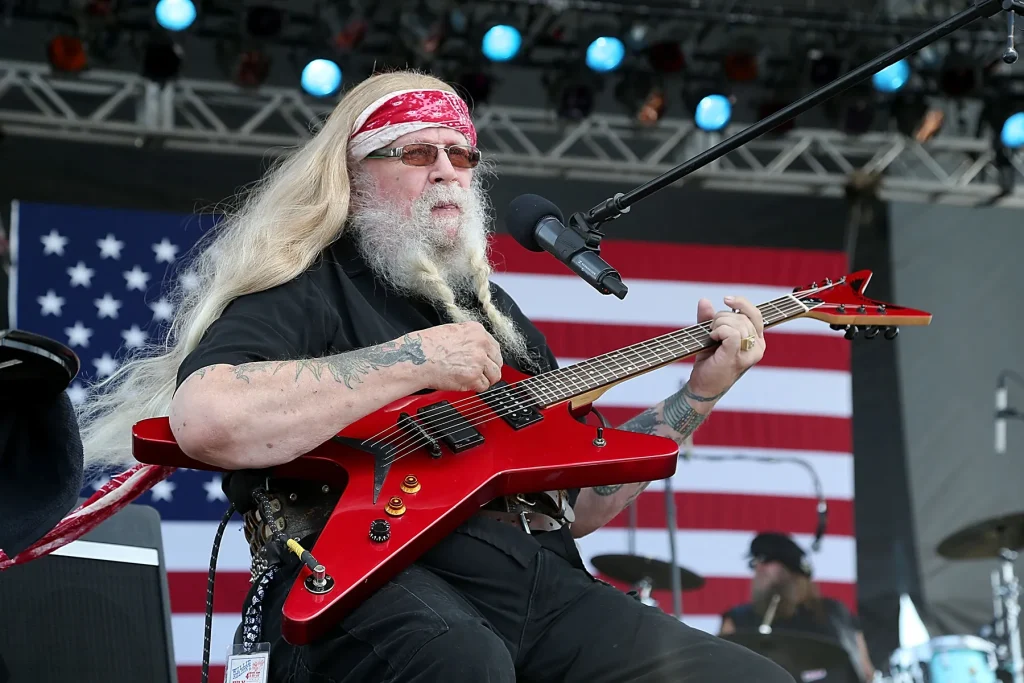
Outlaw country music pioneer David Allan Coe has died at the age of 86, his representative confirmed on Wednesday.
Coe died at approximately 5:08 p.m. on April 29, according to a statement provided to PEOPLE. “David was a country music treasure and loved his fans,” the statement read. “Most importantly, he was a true outlaw and a great singer, songwriter, and performer.”
Best known for his influential role in the 1970s outlaw country movement, Coe built a career defined by raw storytelling, rebellious themes, and a distinctive persona that set him apart from mainstream Nashville acts. He rose to prominence with songs such as You Never Even Called Me by My Name and Longhaired Redneck, before scoring major country hits in the 1980s with The Ride and Mona Lisa Lost Her Smile.
Born in Akron, Ohio, in 1939, Coe spent much of his early life in reform school and correctional institutions, experiences that later shaped both his songwriting and his outlaw image. He began writing music while incarcerated and moved to Nashville after his release in 1967, initially performing on the streets as he pursued a recording career.
His debut album, Penitentiary Blues, was released in 1970, marking the start of a prolific output that would eventually include more than 40 studio albums. While Coe struggled at times to achieve consistent mainstream success as a performer, his songwriting proved highly influential across country music.
Tanya Tucker’s 1973 hit Would You Lay with Me (In a Field of Stone), written by Coe, reached No. 1 on the country charts, as did Johnny Paycheck’s 1977 hit Take This Job and Shove It, which also earned Coe his only Grammy nomination as a writer.
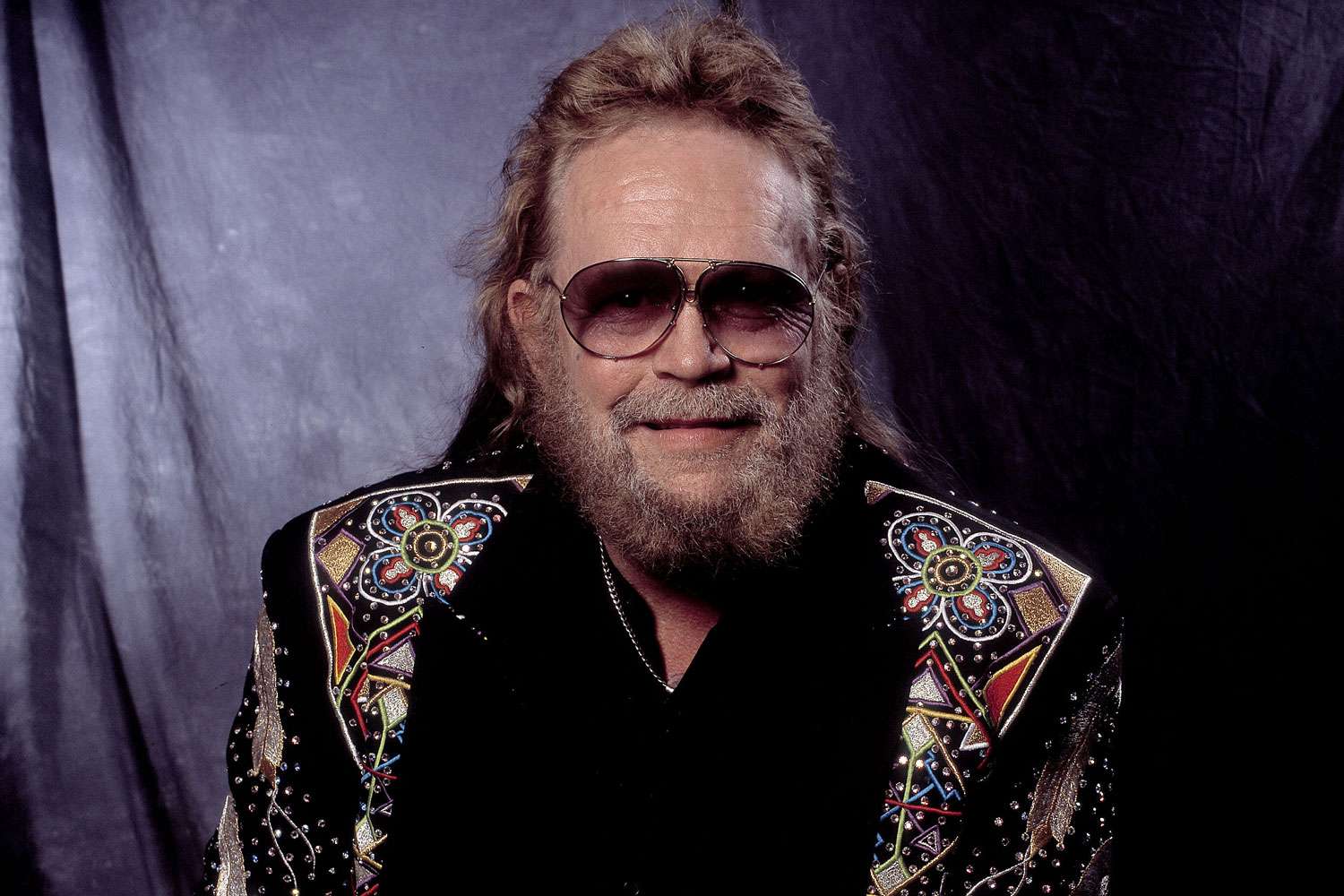

Throughout the 1970s and 1980s, Coe became closely associated with the outlaw country scene alongside figures such as Willie Nelson and Waylon Jennings. He often embraced his outsider status, once stating in an interview that he considered himself among the original “outlaws” of the genre.
His commercial fortunes fluctuated, but he experienced a major resurgence in 1983 with The Ride, followed by further success with Mona Lisa Lost Her Smile, which became his highest-charting single as a performer.
However, Coe’s career was also marked by controversy. He faced longstanding criticism for the use of offensive language and racial stereotypes in some of his work, particularly on underground recordings circulated in the late 1970s and early 1980s. He later disputed allegations that he was racist, arguing that his work had been mischaracterised and intended as satire or subcultural commentary.
Despite the controversy, Coe maintained a loyal fan base and continued performing and releasing music for decades, remaining a prominent figure in outlaw country culture.
Also Read: Gerry Conway, Creator of The Punisher and Ms. Marvel, Dies at 73

