


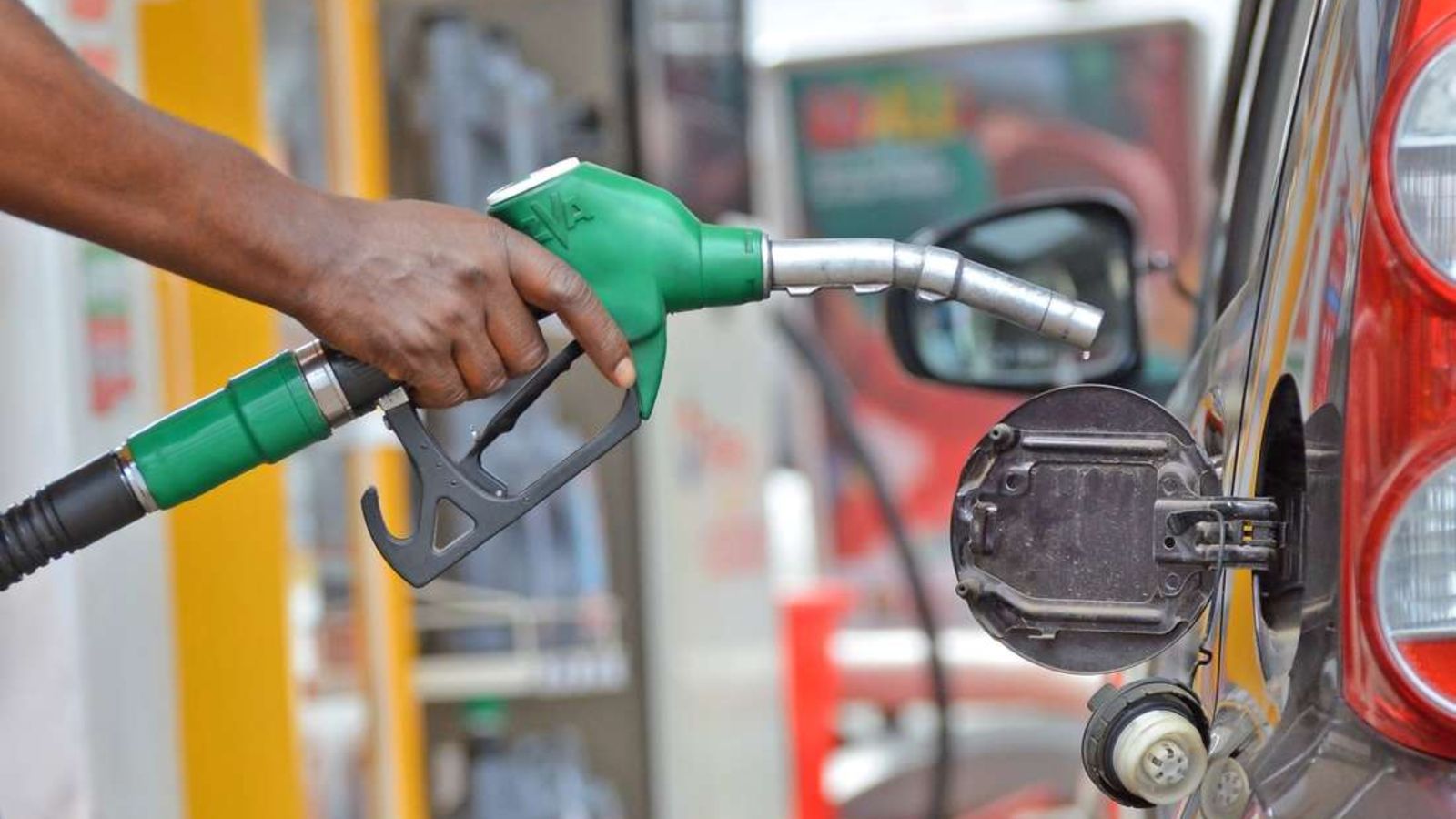
Global oil prices rose sharply on Sunday, crossing $100 per barrel for the first time since July 2022, as the war involving the United States, Israel, and Iran continued to disrupt energy markets.
Prices for U.S. crude oil increased by more than 25 percent, at one point reaching nearly $115 per barrel. The international oil benchmark Brent Crude also jumped more than 20 percent to about $110 per barrel.
However, in early trading on Monday morning, prices dropped slightly from those highs.
The surge in oil prices has also affected financial markets. Futures linked to the S&P 500 fell by 2.3 percent, while Dow Jones Industrial Average futures dropped by more than 1,000 points. Futures for the Nasdaq-100 declined by 2.7 percent, signaling possible further losses for U.S. stocks.
The rise in oil prices comes after a 35 percent increase last week, marking one of the sharpest jumps in recent years. In the United States, the national average price of gasoline has already climbed to more than $3.45 per gallon.
The last time oil and fuel prices reached similar levels was after Russian invasion of Ukraine, which caused major disruptions in global energy supply.
Stock markets across Asia also recorded significant losses. South Korea’s KOSPI index dropped nearly 6 percent, while Japan’s Nikkei 225 fell 5.2 percent. Australia’s S&P/ASX 200 closed 2.85 percent lower, while markets in China recorded smaller declines.
In Europe, futures indicated further losses. Germany’s DAX index was expected to fall by more than 3 percent, while Britain’s FTSE 100 was set to drop about 2 percent. The regional benchmark STOXX Europe 600 also fell more than 2 percent, reaching its lowest level in two months.
Oil Production and Supply Disruptions
The conflict has also affected oil infrastructure and production levels. The state oil company of Kuwait said it had begun reducing output, while the national oil company in the United Arab Emirates indicated it was adjusting production levels.
Both countries are among the top five oil producers in OPEC. Meanwhile, Iraq, the group’s second-largest producer, reportedly cut production significantly last week.
Shipping has also been affected in the Strait of Hormuz, a major route for global oil and liquefied natural gas exports. The narrow waterway near southern Iran has become difficult for many tankers to pass through due to security concerns.
Experts say rising crude oil prices will likely lead to higher fuel costs for consumers. On average, a $1 increase in crude oil prices usually raises retail gasoline prices by about 2.5 cents per gallon.
Analyst Patrick De Haan warned that fuel prices could continue rising in the coming weeks.
“I now estimate the chance of the national average reaching $4 per gallon within the next month is about 80 percent,” he wrote on X. He also predicted an 85 percent chance that diesel prices could reach $5 per gallon within a week.
Political Reactions in the U.S.
Oil prices have already increased by more than 80 percent this year, partly due to growing tensions with Iran.
U.S. President Donald Trump dismissed concerns about rising fuel costs, saying the situation is more important than short-term price increases.
“I don’t have any concern about it,” Trump told Reuters, adding that prices would drop once the conflict ends.
On social media platform Truth Social, he wrote that the rise in prices was “a very small price to pay for U.S.A. and world safety and peace.”
However, Chuck Schumer, the Senate Minority Leader, called on the administration to use the Strategic Petroleum Reserve to help stabilize the market.
“The Strategic Petroleum Reserve exists for moments exactly like this,” Schumer said, adding that the government should act when wars and global crises disrupt energy markets.
Email your news TIPS to Editor@Kahawatungu.com — this is our only official communication channel
