


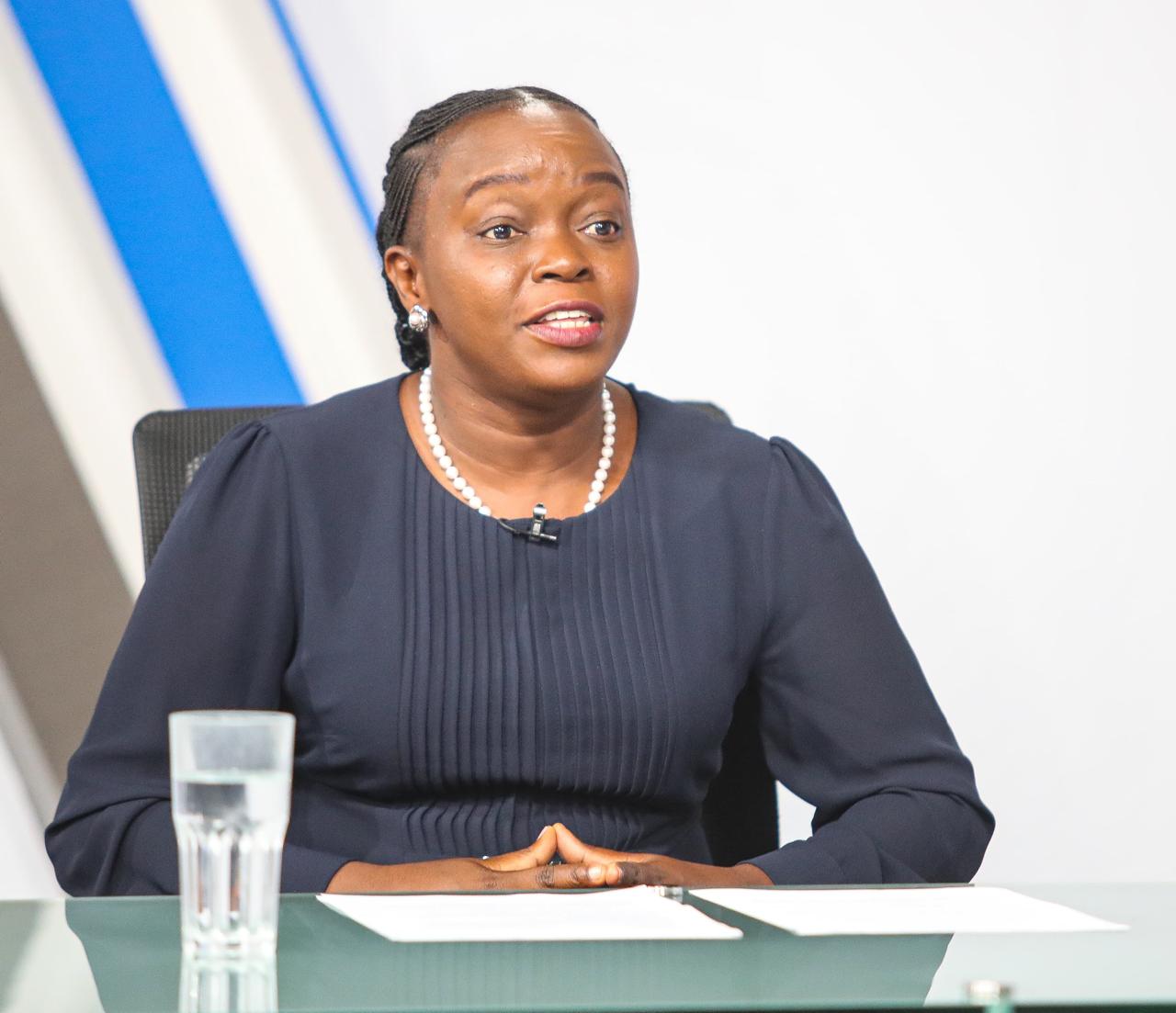
The Ministry of Health has announced a new financing model for Kenya’s primary healthcare system, where payments to health facilities will be based on the actual number of patients treated rather than those insured under the old National Health Insurance Fund (NHIF) system.
In a statement on Wednesday, March 3, 2025, the ministry described the shift as a major step toward Universal Health Coverage (UHC). Unlike the previous NHIF model, which only funded services for insured individuals who had paid their premiums in advance, the new approach ensures that all patients receive care, with facilities reimbursed based on verified service data.
“This approach will not only ensure that healthcare funds reach the right places but will also strengthen service delivery by prioritizing patient needs over insurance status,” the ministry stated.
Under the new system, known as Taifa Care, payments for primary healthcare services are fully tax-funded. This change is designed to make healthcare more accessible, especially for patients who previously struggled due to financial constraints. The new model also aims to enhance fairness, efficiency, and accountability in how funds are distributed.
To ensure that low-income and vulnerable groups receive the necessary support, the Ministry of Health will finalize the Means Testing Model (MTM) by Friday, March 7, 2025. This model will identify and assist those who cannot afford healthcare services, reducing financial barriers to access.
Additionally, the government is developing a manual to guide counties, healthcare providers, and the public on how to access services under the new digital model.
Taifa Care is expected to shift more people towards primary healthcare, ensuring that diseases are detected early before they escalate into costly emergencies. Data from January 2025 already indicates that this approach is working, reducing pressure on major referral hospitals and allowing them to focus on complex cases.
To boost public trust, all payments made by the Social Health Authority (SHA) to health facilities will be accessible on the SHA website starting next week. Kenyans will be able to track which hospitals have received funding and how much they have been allocated.
“We want to emphasize that registration under Taifa Care is for planning and budgeting purposes, while payments to facilities are based on actual services provided,” the ministry clarified. While no payment is required to access primary healthcare services, Kenyans are encouraged to register and contribute to the Social Health Fund to access specialized treatment at Level 4-6 hospitals.
To streamline claims processing, the government has introduced a Tracker Dashboard, which allows hospitals and county governments to monitor claims in real time. Although the law allows for a 90-day claims processing period, the SHA has been settling claims within 30 days to ensure that health facilities operate efficiently.
Nationwide training sessions are also underway to help healthcare workers process claims correctly, reduce errors, and speed up reimbursements. Counties and healthcare providers are encouraged to participate in these trainings to ensure a smooth UHC rollout.
By the end of March 2025, 15 high-volume hospitals will be connected to the Health Information Exchange (HIE) system, enabling seamless patient data sharing across facilities. This system will reduce duplication, improve efficiency, and enhance coordinated care.
To ensure the long-term success of primary healthcare services, all SHA payments for primary healthcare will be deposited directly into PHC accounts under the PHC Fund. This will provide dedicated funding to improve service delivery and expand access to care.
“Counties must now strengthen their Facility Improvement Fund (FIF) Committees in line with the law to guarantee that healthcare funds are managed transparently and efficiently at all levels,” the ministry emphasized.
Email your news TIPS to Editor@Kahawatungu.com — this is our only official communication channel
