


A new report by Amnesty International claims the government spent between Sh25,000 and Sh50,000 per day on a network of around 20 people to push pro-government messages and counter anti-government protests online in 2024 and 2025.
The report, titled “This Fear, Everyone is Feeling It”, says activists, bloggers and online users faced heavy pressure from the state during and after the youth-led demonstrations known as the Gen Z protests.
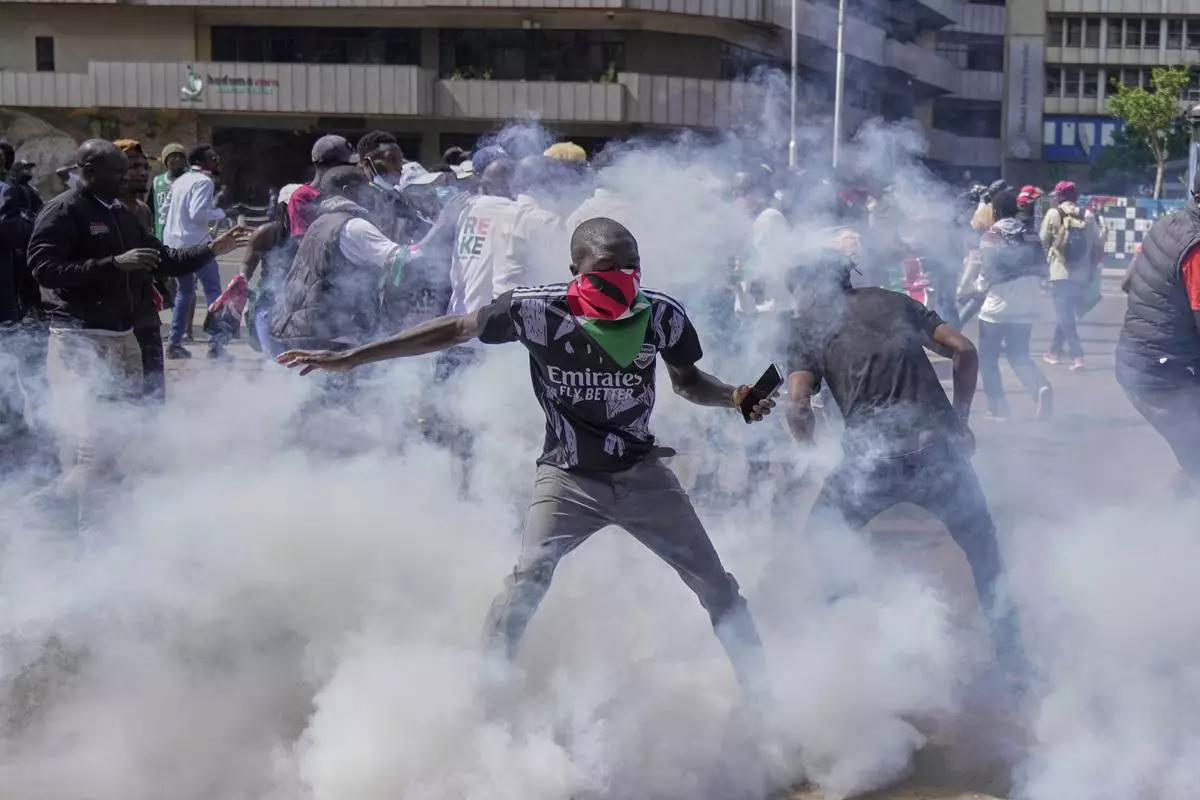
The protests, which were largely peaceful, erupted across the country in 2024 and 2025, fueled by anger over the Finance Bill and rising living costs. Amnesty says at least 3,000 people were arbitrarily arrested and that security forces were responsible for 83 enforced disappearances and 128 deaths since June 2024.
According to the report, digital platforms such as TikTok and X (formerly Twitter) helped young people organize, share information and raise money for arrested protesters. But Amnesty says the state responded with intimidation, harassment, online threats and unlawful surveillance. Several prominent online voices were arrested or went missing.
A Mombasa-based human rights defender told Amnesty: “The government actually fears when young people come together on social media.”
Amnesty researchers say they uncovered evidence of coordinated online attacks targeting young human rights defenders. These campaigns accused activists of being “paid protesters” or “liars” and claimed that some victims of enforced disappearance had staged their own abductions.
A young man identified only as John, who works in paid disinformation campaigns, told Amnesty he is part of a WhatsApp network of about 20 people hired to push government messages. He said they were paid Sh25,000–Sh50,000 per day to push hashtags into the top trends on X, especially during major protests.
Amnesty also raised concerns about alleged surveillance of protesters. Human rights defenders interviewed believe police tracked activists using mobile phone data, a claim that has surfaced before. In October 2024, Nation reported that security agencies had long enjoyed wide access to call records and location data from Safaricom customers.
In court testimony in 2025, a police officer stationed at Safaricom admitted that he accessed a student’s phone data without a court order during an investigation into alleged misinformation about President William Ruto.
Safaricom, responding to Amnesty’s questions, denied any wrongdoing. The company said it only shares customer data through lawful procedures and insisted its systems cannot track live locations. Safaricom said all its actions follow Kenyan laws, including the Data Protection Act and the National Intelligence Service Act.
Amnesty is now calling for an independent investigation into claims of unlawful data sharing between Safaricom and state agencies. The group also wants the government to stop using technology to target peaceful protesters, and to dismantle state-linked blogger networks accused of spreading smear campaigns.
Email your news TIPS to Editor@Kahawatungu.com — this is our only official communication channel
