


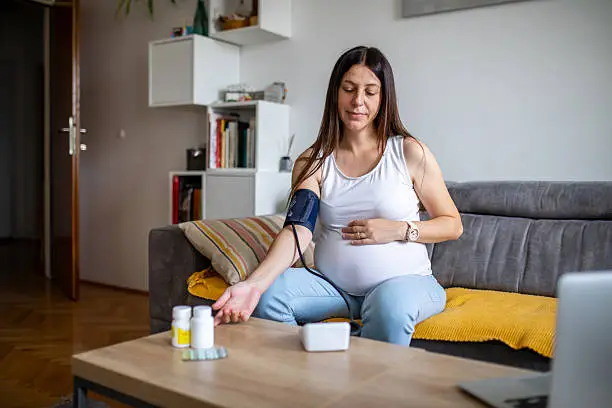
High blood pressure during pregnancy can affect the health of both the mother and baby, particularly when it develops into preeclampsia. Although there is no guaranteed way to prevent pregnancy-related high blood pressure, healthy habits, regular antenatal care and early identification of risk factors can help reduce complications. Learning how to avoid high blood pressure during pregnancy can help expectant mothers take practical steps to support a healthy pregnancy while knowing when medical attention is needed.
-
Attend Regular Antenatal Appointments
Regular antenatal care is one of the most important ways to identify high blood pressure early. Healthcare professionals can check your blood pressure, urine and other aspects of your health during pregnancy.
Do not skip appointments even when you feel well because high blood pressure and preeclampsia may not initially cause obvious symptoms.
- Attend scheduled antenatal visits
- Have your blood pressure checked regularly
- Follow recommended pregnancy tests
- Tell your healthcare provider about any concerns
-
Know Your Risk Factors
Some women have a higher risk of developing preeclampsia or pregnancy-related hypertension. Risk factors can include previous preeclampsia, chronic hypertension, diabetes, kidney disease, autoimmune disease and carrying more than one baby.
Knowing your risk can help your healthcare provider decide whether you need additional monitoring or preventive treatment.
- Tell your provider about previous pregnancy complications
- Discuss existing medical conditions
- Mention a family history of preeclampsia
- Ask about your individual risk
-
Eat a Balanced Pregnancy Diet
A nutritious diet provides the nutrients needed to support both mother and baby. Include vegetables, fruits, whole grains, legumes, lean proteins and other nutritious foods as part of a balanced eating pattern.
Avoid relying on highly processed foods and excessive sugary foods or drinks.
- Eat a variety of vegetables and fruits
- Choose whole grains where possible
- Include healthy sources of protein
- Limit highly processed foods
- Follow pregnancy nutrition advice from your healthcare provider
-
Get Enough Calcium
Adequate calcium intake is particularly important during pregnancy. WHO recommends calcium supplementation during pregnancy in settings where dietary calcium intake is low because it can reduce the risk of preeclampsia.
Do not take large amounts of calcium supplements without professional advice. Your healthcare provider can determine whether supplementation is appropriate for you.
-
Maintain Healthy Physical Activity
If your pregnancy is uncomplicated and your healthcare provider says exercise is safe, regular physical activity can support general health during pregnancy.
Choose activities appropriate for pregnancy and avoid exercises that your healthcare provider has advised against.
- Walk regularly
- Follow pregnancy-appropriate exercise
- Avoid activities with a high risk of falling or injury
- Ask your healthcare provider about suitable activities
-
Manage Existing Health Conditions
Conditions such as diabetes, chronic high blood pressure and kidney disease can increase the risk of pregnancy complications.
If you have one of these conditions, work closely with your healthcare team to manage it throughout pregnancy.
- Take prescribed medicines as directed
- Attend recommended medical reviews
- Monitor your health as advised
- Tell your provider about changes in your condition
-
Discuss Low-Dose Aspirin With Your Healthcare Provider
For some women at high risk of preeclampsia, a healthcare professional may recommend low-dose aspirin as a preventive measure. ACOG recommends it for certain high-risk pregnancies and considers it for some women with multiple moderate risk factors.
Do not start aspirin on your own during pregnancy. Your healthcare provider should determine whether it is appropriate, when to start it and the correct dose.
-
Avoid Smoking and Alcohol
Smoking and alcohol can create other health risks during pregnancy. Avoiding them supports maternal and fetal health.
If you smoke and are finding it difficult to stop, speak with your healthcare provider about appropriate support.
- Avoid alcohol during pregnancy
- Avoid smoking
- Avoid exposure to tobacco smoke
- Seek professional support if needed
-
Maintain a Healthy Weight
Being overweight or obese can increase the risk of pregnancy-related complications, including preeclampsia. However, pregnancy is not the time for crash diets or intentional rapid weight loss.
Instead, follow appropriate pregnancy nutrition and weight-gain guidance from your healthcare provider.
- Follow recommended pregnancy weight-gain guidance
- Eat nutritious meals
- Stay physically active when medically appropriate
- Avoid extreme diets
-
Take Prescribed Medicines Correctly
If you already have high blood pressure or another medical condition, do not stop or change your medication without speaking with your healthcare provider.
Some medicines may not be suitable during pregnancy, while others may be specifically prescribed to control blood pressure safely.
- Take medicines exactly as prescribed
- Never double a dose without medical advice
- Tell your provider about all medicines and supplements you use
- Ask before taking over-the-counter medicines
-
Monitor Your Blood Pressure When Advised
Some pregnant women may be advised to monitor their blood pressure at home. If this applies to you, use a validated monitor and follow the instructions given by your healthcare provider.
Keep a record of readings so your healthcare team can identify changes over time.
- Measure your blood pressure correctly
- Record your readings
- Report concerning readings as instructed
- Do not change medication based on a single reading without medical advice
-
Learn the Warning Signs of Preeclampsia
Knowing the warning signs can help you seek treatment early. Possible symptoms include a severe or persistent headache, vision changes, pain in the upper abdomen, sudden swelling and feeling unusually unwell.
Preeclampsia can sometimes occur without obvious symptoms, which is why regular antenatal monitoring remains important.
-
Do Not Rely on Home Remedies to Control High Blood Pressure
There is no reliable home remedy that can replace medical assessment and treatment for pregnancy-related high blood pressure.
Avoid herbal products, supplements or special diets marketed as ways to prevent preeclampsia unless your healthcare provider confirms that they are safe and appropriate.
- Do not stop prescribed treatment
- Avoid unproven herbal remedies
- Discuss supplements with your provider
- Seek medical care for abnormal blood pressure
-
Seek Medical Care for Concerning Symptoms
If you develop severe headache, vision problems, severe upper abdominal pain, difficulty breathing, sudden significant swelling or other concerning symptoms during pregnancy, seek medical attention promptly.
Very high blood pressure during pregnancy can be an emergency and requires immediate medical assessment.
-
Follow Your Healthcare Provider’s Advice
Every pregnancy is different. A woman with twins, previous preeclampsia, chronic hypertension, diabetes or kidney disease may need closer monitoring and additional preventive measures.
The best approach is to understand your personal risk and follow an individualized pregnancy care plan.
Also Read: How to Avoid a Hangover After Drinking
Email your news TIPS to Editor@Kahawatungu.com — this is our only official communication channel
