


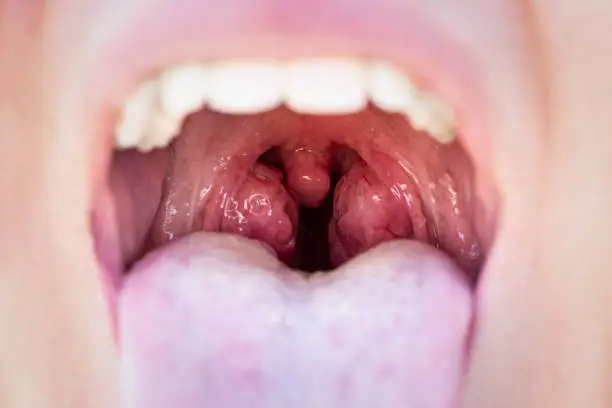
Tonsillitis is the inflammation of the tonsils, the two small pads of tissue at the back of the throat. It commonly affects children and may be caused by viruses or bacteria. Learning how to avoid tonsillitis in kids can help parents reduce exposure to infections, encourage healthy habits, and recognise symptoms early. Although tonsillitis cannot always be prevented, simple hygiene practices and appropriate healthcare can help protect children and reduce the risk of complications.
-
Encourage Regular Handwashing
Germs that cause throat infections can spread through contaminated hands and shared surfaces. Teach children to wash their hands regularly with soap and running water.
- Wash hands before eating and after using the toilet.
- Wash hands after coughing, sneezing, or wiping the nose.
- Encourage children to avoid touching their eyes, nose, and mouth with unwashed hands.
-
Teach Children to Cover Their Mouths When Coughing
Respiratory infections can spread through droplets released when an infected person coughs or sneezes.
- Use a tissue to cover the mouth and nose.
- Cough or sneeze into the elbow when a tissue is unavailable.
- Dispose of used tissues properly and wash hands afterwards.
-
Avoid Sharing Personal Items
Sharing items that come into contact with saliva may spread germs between children.
- Provide each child with a separate drinking cup.
- Avoid sharing spoons, forks, and water bottles.
- Do not share toothbrushes.
-
Keep Children Away From People Who Are Sick
Close contact with someone who has a throat infection can increase a child’s risk of becoming infected.
- Limit close contact with people who have fever, sore throats, or respiratory symptoms.
- Encourage sick children to rest at home when necessary.
- Follow school or childcare guidance on when children can return after an illness.
-
Keep the Home Clean and Well Ventilated
Good indoor hygiene can help reduce the spread of respiratory infections.
- Clean frequently touched surfaces, such as door handles and toys.
- Open windows when practical to improve ventilation.
- Avoid exposing children to cigarette smoke and other airway irritants.
-
Provide a Balanced Diet
A nutritious diet supports normal immune function and healthy growth. However, no particular food can guarantee that a child will avoid tonsillitis.
- Offer fruits and vegetables daily.
- Include protein-rich foods such as eggs, beans, fish, or meat.
- Provide a balanced variety of foods containing essential vitamins and minerals.
-
Encourage Children to Drink Enough Water
Adequate hydration helps keep the mouth and throat comfortable, particularly during illness.
- Offer water regularly throughout the day.
- Provide age-appropriate fluids when a child is unwell.
- Encourage small, frequent sips if the throat feels sore.
-
Ensure Children Get Enough Sleep
Sufficient sleep supports children’s overall health and immune function.
- Maintain a regular bedtime routine.
- Keep the sleeping environment comfortable.
- Follow age-appropriate sleep recommendations.
-
Keep Vaccinations Up to Date
Routine childhood vaccinations protect against several infections that can cause serious illness, although they do not prevent every cause of tonsillitis.
- Follow the recommended childhood immunisation schedule.
- Ask a healthcare professional about any missed vaccinations.
- Seek medical advice when a child has recurring infections.
-
Avoid Giving Antibiotics Without Medical Advice
Many cases of tonsillitis are caused by viruses, against which antibiotics do not work. Antibiotics may be needed for certain bacterial infections, including confirmed or strongly suspected streptococcal infections, depending on clinical assessment and local guidance.
- Do not give leftover antibiotics to a child.
- Avoid using antibiotics prescribed for another person.
- Follow the prescribed dose and duration when antibiotics are recommended.
-
Recognise the Early Signs of Tonsillitis
Early medical assessment can help identify the cause and determine appropriate treatment.
Common symptoms include:
- A sore throat or pain when swallowing.
- Red or swollen tonsils, sometimes with white patches.
- Fever and swollen glands in the neck.
- Headache, reduced appetite, or stomach pain in some children.
Arrange a medical assessment if symptoms are severe, persistent, or recurrent.
-
Know When to Seek Urgent Medical Care
Some throat infections can cause serious complications. Seek emergency medical care if your child has difficulty breathing, cannot swallow saliva, is drooling because they cannot swallow, or develops significant swelling in the throat or neck.
Also Read: How to Avoid Anger

Email your news TIPS to Editor@Kahawatungu.com — this is our only official communication channel
